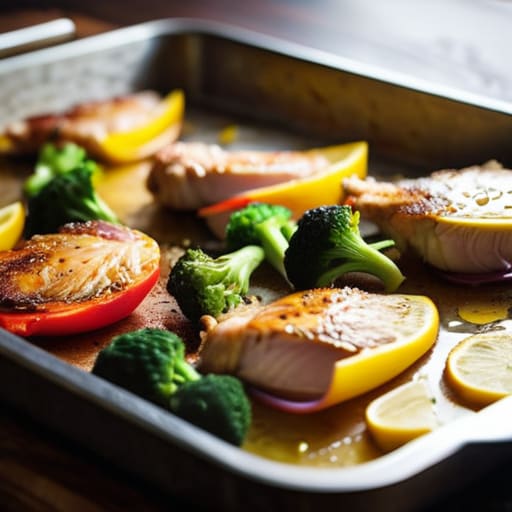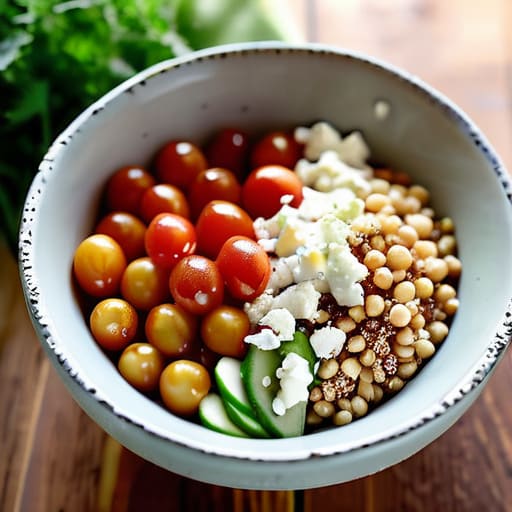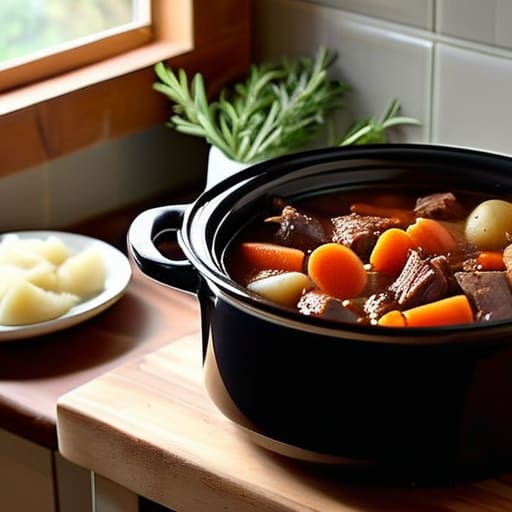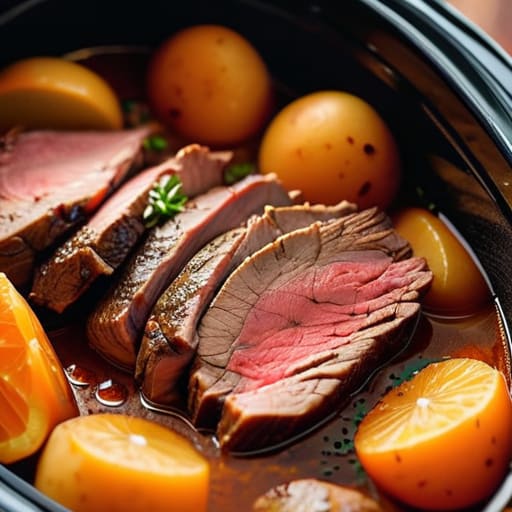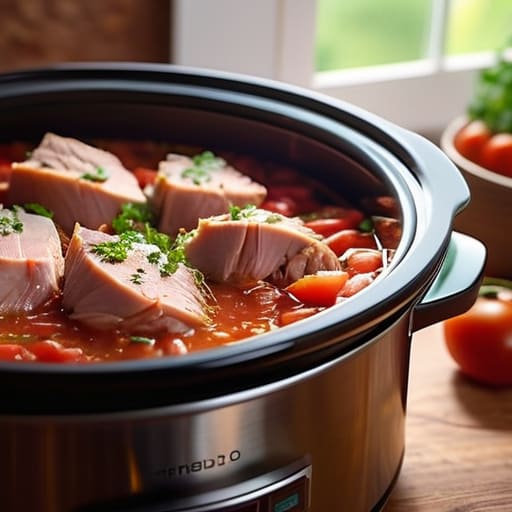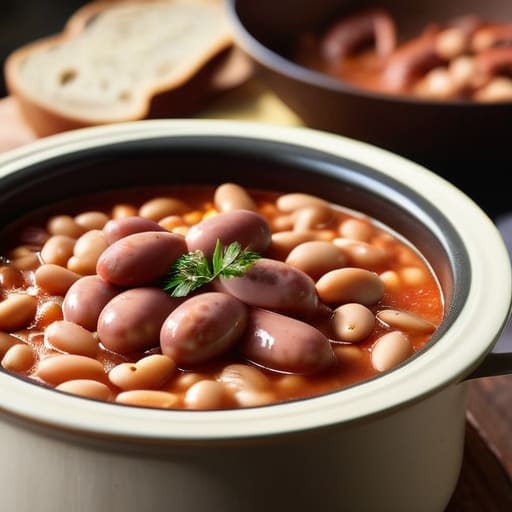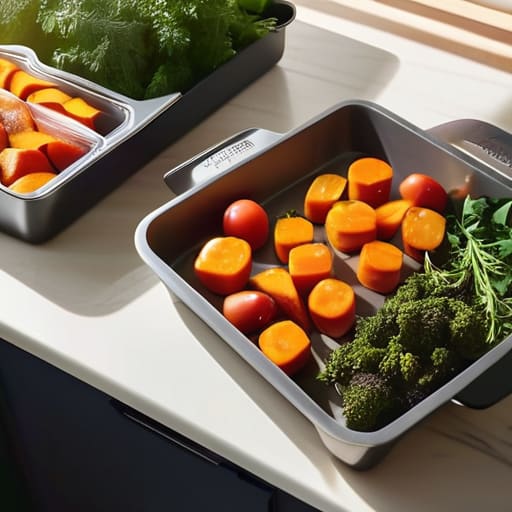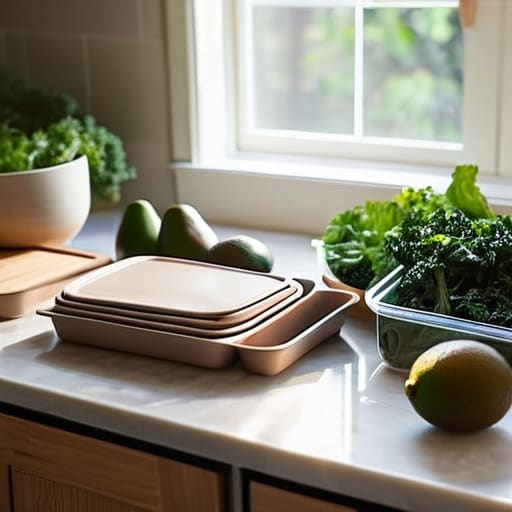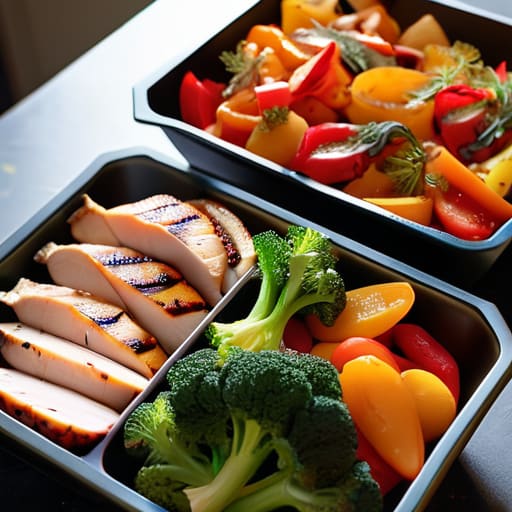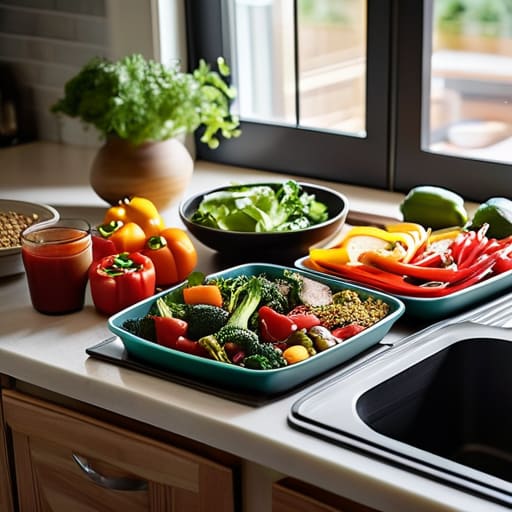
Batch cooking for beginners meal prep guide.

Batch Cooking for Beginners: Cook Once, Eat All Week

I remember standing in my tiny kitchen back in my early twenties, staring at a pile of wilted spinach and a box of pasta, wondering why I was spending forty minutes every single night just trying to scrape together a decent meal. I used to see these “influencer” recipes online that made meal prep look like a high-end culinary production involving twenty different glass containers and three hours of specialized chopping. Honestly, that kind of approach to batch cooking for beginners is a total myth that just leads to burnout and a sink full of dishes. You don’t need a gourmet kitchen or a massive budget to make this work; you just need a solid game plan that actually fits into a normal, messy life.

I’m not here to sell you on some complicated lifestyle overhaul that you’ll abandon by Wednesday. Instead, I’m going to show you how to use a few simple, repeatable steps to get your food sorted without losing your mind. We’re going to focus on practical wins—like prepping versatile ingredients rather than rigid meals—so you can spend less time hovering over a stove and more time actually enjoying your week.

Table of Contents

Smart Weekly Meal Planning Strategies That Actually Work

Smart Weekly Meal Planning Strategies That Actually Work

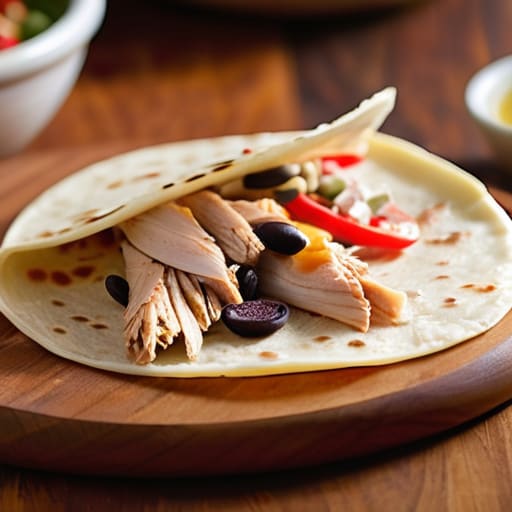
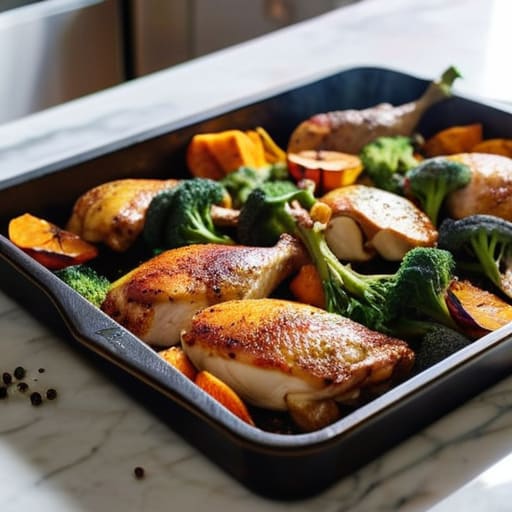
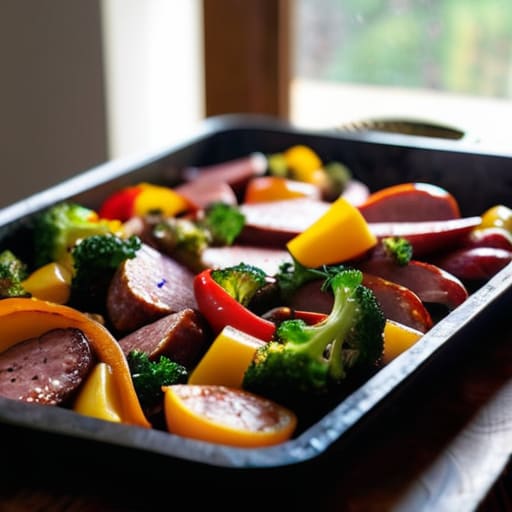
Look, I’ve tried those overly complicated planners that require you to color-code your entire life, and honestly? They’re a total waste of time. The best weekly meal planning strategies are the ones that actually stick, which means keeping it flexible. Instead of trying to cook five different recipes on a Sunday, I like to pick two big “base” ingredients—like a massive tray of roasted chicken or a huge pot of seasoned black beans. From there, you can pivot. One night it’s a burrito bowl, the next it’s a salad or a wrap. It’s all about building components rather than rigid meals.

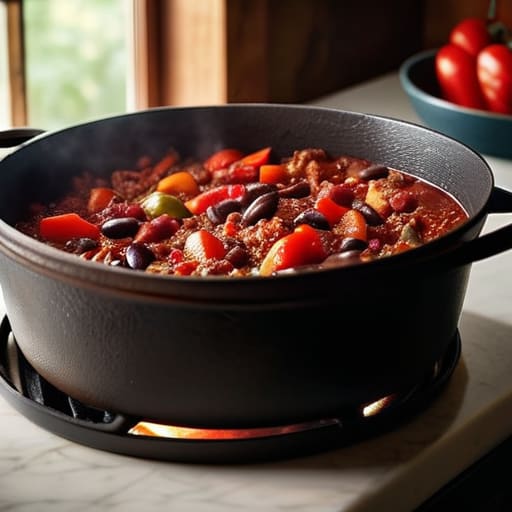
Once you’ve got your bases covered, you need to think about the “future you” who is exhausted on a Wednesday night. This is where time saving kitchen hacks really pay off. I always suggest prepping your veggies right after you chop them so they’re ready to toss into a pan later. Also, don’t forget to invest in a few decent meal prep containers for freezing; if you realize you’ve made way too much chili, you can just portion it out and tuck it in the freezer for a rainy day. It’s much easier than starting from scratch when life gets messy.

Budget Friendly Meal Prepping Without Breaking the Bank

Budget Friendly Meal Prepping Without Breaking the Bank

Look, I get it. When you hear “meal prepping,” you might picture those fancy, color-coded bento boxes and expensive organic ingredients that cost more than a new drill set. But let’s get real: budget friendly meal prepping is mostly about being smart with what’s already on sale. My go-to move is hitting the grocery store with a list built around seasonal produce and bulk proteins. Instead of buying individual snack packs, grab a large bag of rice or a big tub of oats. When you build your meals around these staples, you’re not just saving money; you’re building a foundation that makes every other ingredient go much further.

One thing I learned the hard way is that you don’t need a gourmet kitchen to make this work. You just need a few time saving kitchen hacks to keep things efficient. For example, if you’re roasting veggies, throw two different trays in the oven at once. While those are cooking, you can chop your proteins. Also, don’t sleep on the freezer. If you find a great deal on chicken or beans, grab extra. Just make sure you’re using decent meal prep containers for freezing so nothing gets freezer burn and ends up in the trash. Keeping it simple and smart is how you win.

5 Pro Tips to Keep Your Batch Cooking From Becoming a Chore

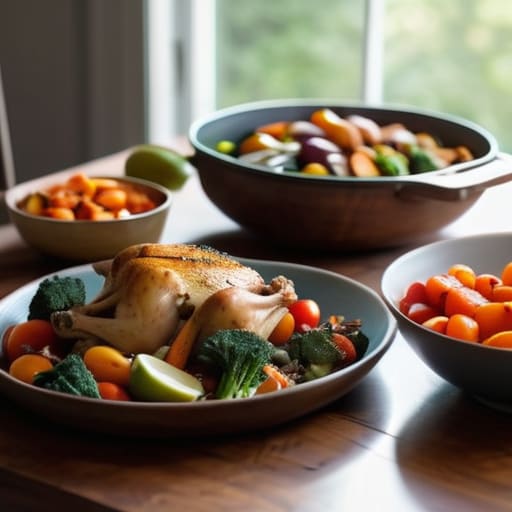
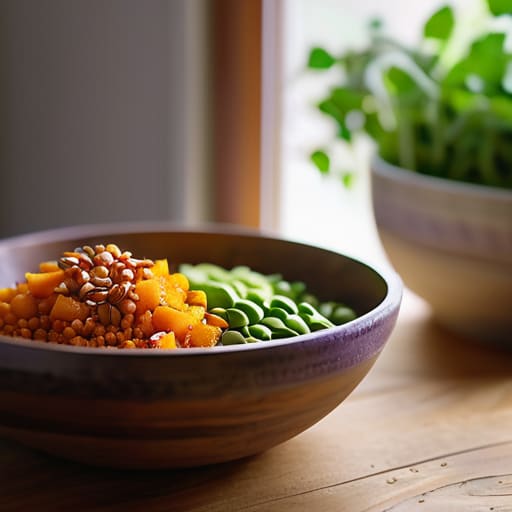
  • Don’t try to be a gourmet chef on day one. Start by prepping “building blocks” like a big pot of seasoned rice, roasted veggies, or a batch of shredded chicken. It’s way easier to mix and match those throughout the week than it is to eat the exact same heavy casserole five days in a row.
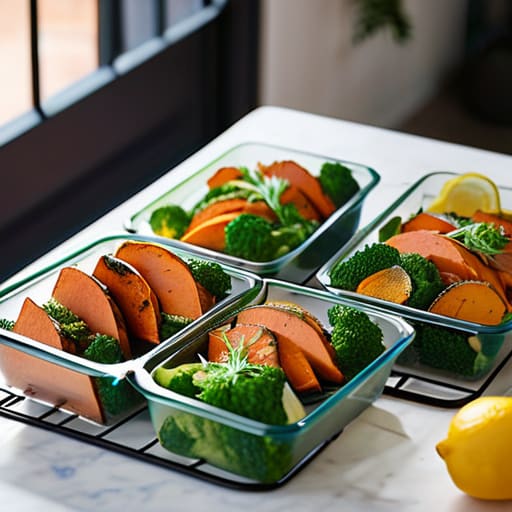
  • Invest in a few good, airtight containers. I learned this the hard way—using old, flimsy plastic tubs is a recipe for soggy leftovers and a messy fridge. Get some decent glass or heavy-duty BPA-free containers that actually seal tight; your food (and your sanity) will thank you.
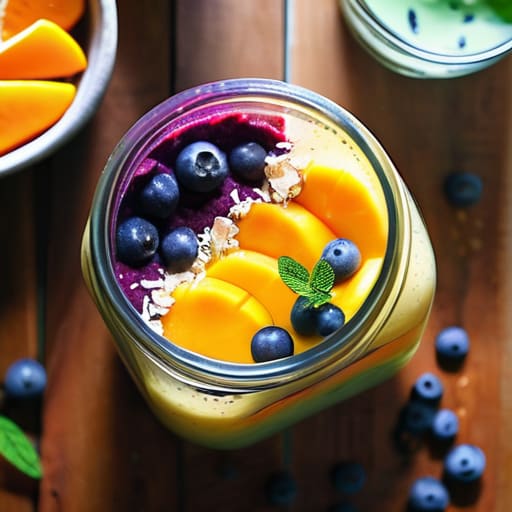
  • Use your freezer as your best friend. If you realize you’ve made way more chili or pasta sauce than you can actually eat before it goes bad, don’t force it. Portion it out into individual freezer bags immediately. It’s basically like building your own “emergency meal” library for those nights when you’re too wiped to cook.
  • Clean as you go, seriously. There is nothing more soul-crushing than finishing a massive cooking session only to realize you’re staring at a mountain of crusty pots and pans. Wash your cutting boards and bowls while the stuff in the oven is still roasting. It makes the whole process feel way less like a second job.
  • Leave some room for “the pivot.” Life happens. Maybe you end up grabbing takeout with friends, or you just aren’t feeling the meal you prepped. That’s okay! Don’t let a rigid plan make you feel like you failed. Batch cooking is a tool to make your life easier, not a rulebook to make it harder.

The Bottom Line: Making It Work for You

Don’t try to be a gourmet chef on day one; start by prepping just two or three versatile ingredients—like a big batch of roasted veggies or a pot of grains—to see how much easier your week gets.

Keep your gear simple and your plan flexible, because the best meal prep is the kind that actually fits into your real, messy life instead of a perfect Pinterest board.

Focus on “component cooking” rather than rigid recipes, so you can mix and match what you’ve made throughout the week without getting bored or feeling stuck.

## My Philosophy on Prep

“Batch cooking isn’t about spending your entire Sunday staring at a stove; it’s just about doing a little bit of the heavy lifting early so that when Tuesday rolls around and you’re exhausted, dinner is already a solved problem.”

Nathan Cole

You’ve Got This

Meal prepping notebook: You’ve Got This.

Look, I know it sounds like a lot when you first sit down with a notebook and a grocery list. Between mapping out your weekly strategy, keeping an eye on the budget, and actually spending a few hours in the kitchen, it can feel like another chore on an already long to-do list. But remember, the goal isn’t to become a professional chef overnight; it’s just to make your future self a little bit happier. Once you’ve mastered the basics of choosing versatile ingredients and prepping them in bulk, you’ll realize that you aren’t just making food—you’re buying back your time and cutting down on that mid-week decision fatigue that usually leads to expensive takeout.

My biggest piece of advice? Don’t try to be perfect. If you only prep two things this week instead of five, that is still a massive win. Start small, use the tools you already have, and don’t be afraid to tweak things as you go. Most things in life are just a matter of breaking them down into manageable pieces, and meal prepping is no different. Grab a container, get into a rhythm, and soon enough, you’ll be looking at a fridge full of delicious options and a much calmer headspace. You can totally do this.

Frequently Asked Questions

How do I keep my prepped meals from tasting like mush by Wednesday?

The “Wednesday Mush” is real, and it’s usually because we’re overthinking the storage. First, let the food cool completely before sealing the lids; trapping steam turns everything into a soggy mess. Second, stop mixing your sauces in with the grains or veggies. Keep your dressings and wet ingredients in small separate containers. Finally, keep your “crunchy” stuff—like nuts, seeds, or even toasted breadcrumbs—in a separate bag to add right before you eat.

Do I really need to spend my entire Sunday in the kitchen, or is there a faster way?

Look, I’ll be the first to admit: nobody wants to spend their entire Sunday hunched over a stove like it’s a full-time job. That’s the fastest way to burn out. You don’t need a marathon session; you just need a system. Try “component prepping” instead. Roast a big tray of veggies, boil some grains, and cook one protein. You’re not making full meals, just the building blocks. It takes way less time and keeps things flexible.

What are the best containers to use so my food stays fresh and doesn't leak in my bag?

Look, don’t waste your money on those cheap, flimsy plastic tubs that turn orange from spaghetti sauce and leak in your backpack. If you’re serious about this, go with glass—specifically borosilicate glass. It’s tougher, won’t stain, and you can pop it straight in the microwave or oven. If you need something lighter for a commute, grab high-quality BPA-free containers with silicone seals and locking clips. If it doesn’t click, it’s going to leak.

Easy high protein breakfast ideas for satiety.

Easy High-protein Breakfasts to Keep You Full

Look, I get it. We’ve all had those mornings where we grab a sugary pastry or a piece of toast and wonder why we’re crashing and feeling completely drained by 10:00 AM. I used to be that guy, thinking a quick carb-heavy fix was enough to power me through a shift. But after a few years of trial and error in my own kitchen, I realized that if you want to actually stay full and focused, you need to prioritize protein. Finding reliable high protein breakfast ideas shouldn’t feel like a second job or require a culinary degree, but it’s honestly the single best way to set your day up for success instead of just playing catch-up.

I’m not talking about those complicated, thirty-ingredient recipes you see on fancy cooking shows that take an hour to prep. I’m talking about real, no-nonsense food that you can whip up while you’re half-asleep. In this guide, I’m breaking down five of my absolute favorite go-to meals that are easy to make, budget-friendly, and—most importantly—actually taste good. Whether you’ve got five minutes or twenty, these five options will help you stop the mid-morning slump for good.

Table of Contents

The "Set It and Forget It" Overnight Oats

The "Set It and Forget It" Overnight Oats.

If you’re like me and tend to hit the snooze button one too many times, you need a breakfast that’s basically already done by the time your alarm goes off. Overnight oats are a total lifesaver for those frantic Monday mornings. All you do is grab a jar, toss in some rolled oats, milk of your choice, and a big scoop of Greek yogurt or a scoop of protein powder. I usually add a spoonful of chia seeds too, because they help thicken things up and add a little extra nutritional punch.

The Classic Scrambled Egg Upgrade

The Classic Scrambled Egg Upgrade protein plate.

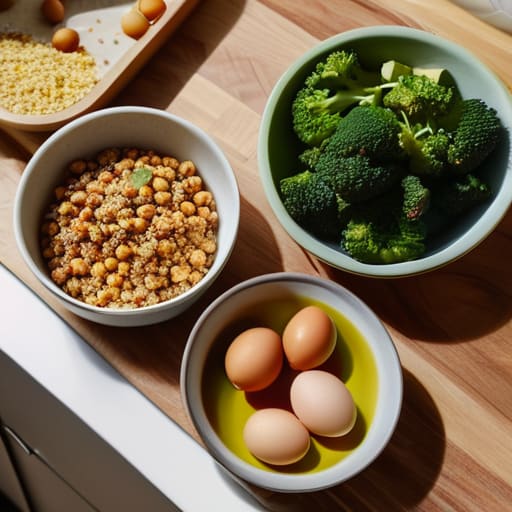
Look, I’m a big believer in the classics, and nothing beats a plate of eggs. But if you’re just eating plain whites or a single egg, you’re probably going to be starving again by 10:00 AM. To actually make this a high-protein powerhouse, you’ve got to get a little more strategic with your ingredients. I like to use two whole eggs and then add a half-cup of liquid egg whites to the mix. It doubles the protein without making the meal feel heavy or greasy.

Greek Yogurt Power Bowls

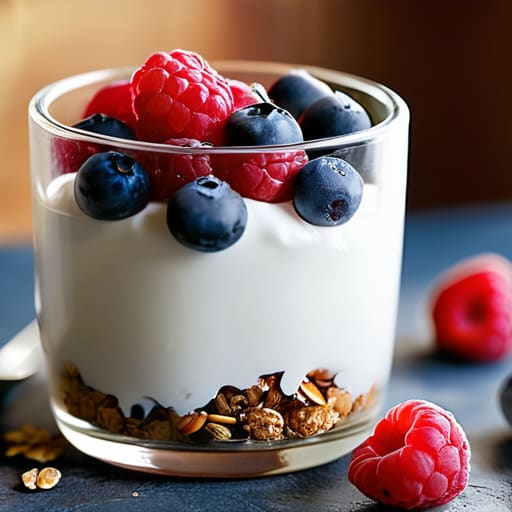
Healthy Greek Yogurt Power Bowls with fruit.

This is my go-to when I have absolutely zero desire to turn on the stove. Greek yogurt is basically a cheat code for protein—it’s dense, creamy, and packs a massive punch for very few calories. The key here is to avoid the pre-sweetened stuff in the little fruit cups, which is usually just a disguised sugar bomb. Grab a large tub of plain, non-fat Greek yogurt instead. It tastes a bit sharper, but you have total control over the sweetness.

Savory Cottage Cheese Toast

Most people think of cottage cheese as something you eat with canned pineapple, but honestly, that’s a missed opportunity. If you want to level up your breakfast game, try spreading a thick layer of cottage cheese over a piece of toasted whole-grain bread. It’s incredibly high in protein and has a texture that’s surprisingly satisfying when paired with something crunchy. It’s basically the ultimate budget breakfast because a tub of cottage cheese lasts a long time and costs next to nothing.

The Quick Protein Smoothie Hack

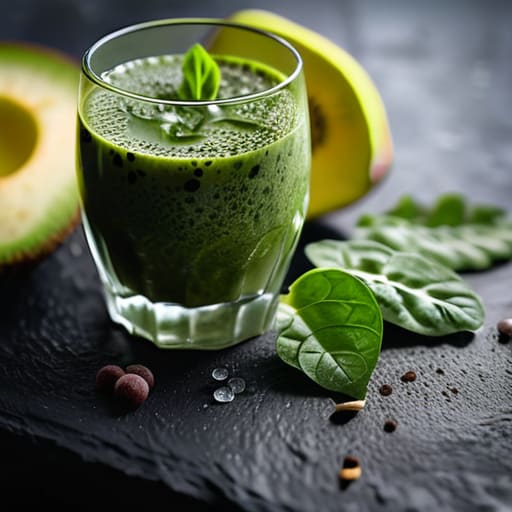
Sometimes, the only way I can get breakfast down is if I can drink it on my way out the door. A smoothie is great, but most people make the mistake of just blending fruit, which leads to a massive sugar crash an hour later. To make this a legitimate meal, you need to focus on the protein-to-carb ratio. I always make sure there’s a solid base of protein powder, Greek yogurt, or even some silken tofu in there to keep things substantial.

The Bottom Line

Don’t aim for perfection; just focus on getting some solid protein in your system early to keep the mid-morning crashes at bay.

Prep what you can the night before—your future, sleep-deprived self will definitely thank you.

Keep it simple and use what you’ve got in the pantry so you actually stick to the habit instead of giving up when things get busy.

## The Bottom Line on Breakfast

“Look, you don’t need a fancy meal prep service or a kitchen full of expensive supplements to get your protein in. It’s really just about picking a few solid staples—like eggs, Greek yogurt, or even some leftover chicken—and getting them on your plate before the morning rush hits. Once you stop overcomplicating it, you’ll realize that fueling up is way easier than you think.”

Nathan Cole

Getting Started Without the Stress

Look, I know that when you’re rushing out the door, the last thing you want to do is play chef or count every single gram of macronutrients. But as we’ve seen, getting that protein in doesn’t have to be a massive production. Whether you’re leaning on the speed of Greek yogurt, the prep-ahead magic of overnight oats, or the classic reliability of scrambled eggs, the goal is the same: fueling your body so you aren’t crashing by 10:00 AM. You don’t need a gourmet kitchen or a mountain of expensive supplements to make this work. Just pick one of these methods, keep it simple, and focus on consistent, easy wins that actually fit into your real-life schedule.

At the end of the day, I really believe that small, repeatable habits are what make the biggest difference in how you feel. You don’t have to overhaul your entire life overnight to see a change in your energy levels. Just start with one better breakfast this week and see how it goes. If you mess up or grab a donut one morning, don’t sweat it—just get back on track the next day. You’ve got this, and honestly, once you find your rhythm, you’ll wonder why you ever made breakfast such a headache in the first place. Now, go grab some eggs and get after it!

Frequently Asked Questions

Can I prep these high-protein breakfasts ahead of time if I'm usually rushing out the door?

Absolutely. In fact, that’s the secret to actually sticking with this stuff. If you’re waiting until you’re halfway out the door to start cracking eggs, you’re going to grab a donut instead. I usually spend about twenty minutes on Sunday night prepping my egg muffins or portioning out my yogurt jars. Grab some airtight containers, get ahead of the rush, and your future self will definitely thank you when you’re running late.

What are some cheap, budget-friendly ways to add more protein without buying expensive supplements?

Look, you don’t need a $60 tub of fancy protein powder to hit your goals. I’ve learned the hard way that the best stuff is usually sitting in the pantry already. Grab some dried lentils, canned tuna, or a carton of eggs—these are absolute lifesavers for the wallet. Even a big bag of peanut butter or some Greek yogurt can go a long way. Stick to the basics, shop the bulk bins, and you’re golden.

Do I really need to eat a huge breakfast, or can I hit my protein goals with smaller portions?

Look, you definitely don’t need to sit down to a massive feast every morning to make this work. I’m the same way—if I try to eat a mountain of eggs at 7:00 AM, I’m useless by noon. The trick is spreading it out. If a big breakfast feels like a chore, just aim for a solid protein hit early on and supplement with a high-protein snack later. It’s all about the total daily numbers.