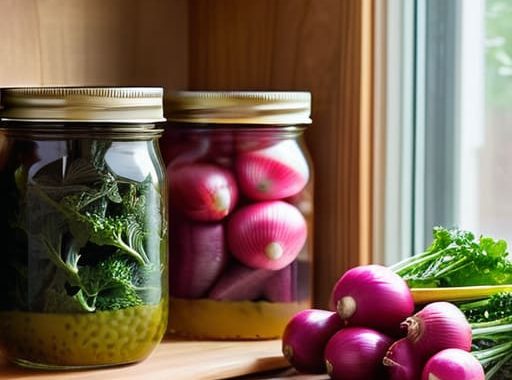
I’ll never forget the smell of a bag of wilted, slimy spinach hitting me from the bottom of my fridge back in my twenties. I had just spent thirty bucks on a “healthy” grocery haul, only to watch half of it turn into a science experiment within three days. It’s incredibly frustrating because most of the advice you find online about how to store food properly makes it sound like you need a chemistry degree or a dozen specialized, expensive airtight containers just to keep a head of lettuce crisp. Honestly, most of that high-end kitchen gear is just marketing fluff designed to separate you from your hard-earned cash.
I’m not here to sell you on fancy gadgets or complicated systems that take more time than they save. Instead, I want to show you how to use what you already have in your kitchen to stop throwing money in the trash. I’ve spent years tinkering with my own kitchen setup and learning through trial and error, so I’m going to give you the straight-up, no-nonsense truth. I’ll break down simple, practical habits that actually work, so you can keep your groceries fresh and your budget intact without the headache.
Table of Contents
Simple Pantry Organization Tips to Extend Grocery Shelf Life
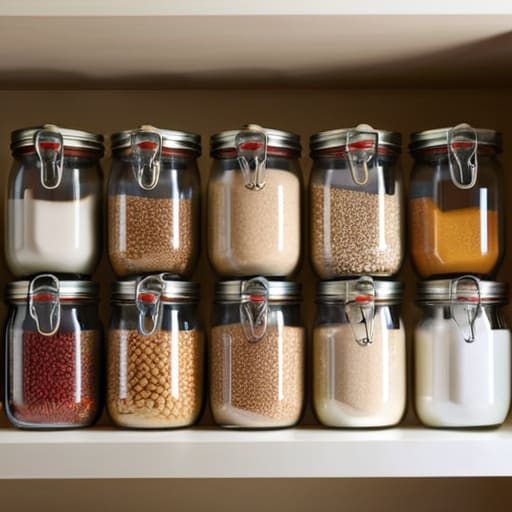
First things first, let’s talk about your pantry. I used to just shove everything into the cupboard and hope for the best, but that’s a recipe for finding a fuzzy bag of flour six months too late. One of my favorite pantry organization tips is to group things by how you actually use them—baking supplies in one spot, canned goods in another. This makes it way easier to see what you actually have before you head to the store, which is a huge win for your wallet.
If you really want to level up, you need to ditch the flimsy, half-opened bags that come from the store. I’ve learned the hard way that investing in some decent glass or BPA-free plastic jars makes a massive difference. The airtight container benefits are huge because they keep moisture out and pests away, which is key for preventing food spoilage in dry goods like pasta, rice, or cereal. Plus, let’s be honest, seeing your ingredients neatly lined up in clear jars makes you feel like you actually have your life together. It’s a small change that goes a long way.
Mastering Refrigerator Temperature Settings for Better Freshness
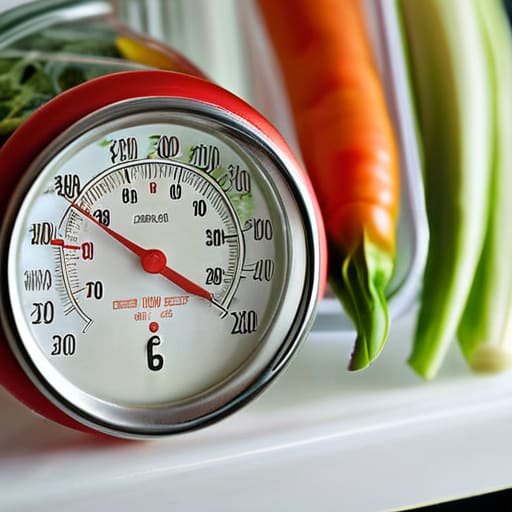
Now, let’s talk about the big chill. I used to just set my fridge to whatever number it came with and call it a day, but I realized that was a huge mistake. If your fridge is too warm, your milk turns sour before you can even finish the carton; if it’s too cold, you’re basically turning your lettuce into ice. To get the best results, you really need to dial in your refrigerator temperature settings to stay between 37°F and 40°F. I always keep a cheap analog thermometer on one of the middle shelves just to be sure, because those digital displays on the front can be notoriously unreliable.
Once you’ve got the temp dialed in, you can start focusing on preventing food spoilage by where you actually place things. Don’t just shove everything in the door—that’s the warmest spot in the whole unit! Keep your dairy and meat in the back where it’s coldest, and leave the crisper drawers for your veggies. It’s a small tweak, but it makes a massive difference in how long your groceries actually stay edible.
5 Quick Wins to Keep Your Food from Going Bad
- Don’t just toss everything in the crisper drawer. I’ve learned the hard way that some veggies, like carrots, actually stay crunchy way longer if you store them in a jar of water in the fridge.
- Keep your onions and potatoes far away from each other. It sounds weird, but if you store them together, the moisture from the onions will make your potatoes sprout and go soft before you can even use them.
- Give your berries a little TLC by washing them in a vinegar-water soak. It sounds like an extra step, but it actually kills off that fuzzy mold and keeps them fresh for a few extra days.
- Treat your bread like a VIP and keep it out of the fridge. The cold air actually dries it out faster, so unless you’re planning on not eating it for a week, keep it on the counter in a bread box or just freeze it.
- Use your freezer as your secret weapon. If you see that spinach or those herbs starting to wilt, don’t toss them—chop them up, throw them in a bag, and freeze them for your next smoothie or soup.
Quick Wins to Keep Your Food Fresh
Treat your fridge like a tool kit—keep it organized and at the right temperature so you aren’t constantly hunting for stuff or letting things wilt.
Stop throwing money in the trash by using your pantry the right way; a little bit of organization goes a long way in keeping your dry goods from going stale.
Remember that food storage isn’t about being perfect, it’s just about making a few smart, simple tweaks that save you time and cash in the long run.
## A Quick Reality Check
“Look, I’ve definitely been the guy throwing away a bag of slimy spinach and a carton of fuzzy strawberries, and let me tell you—it feels like throwing cash straight into the trash. Storing food right isn’t about being a gourmet chef; it’s just about being smart with what you’ve already paid for.”
Nathan Cole
Making It Stick
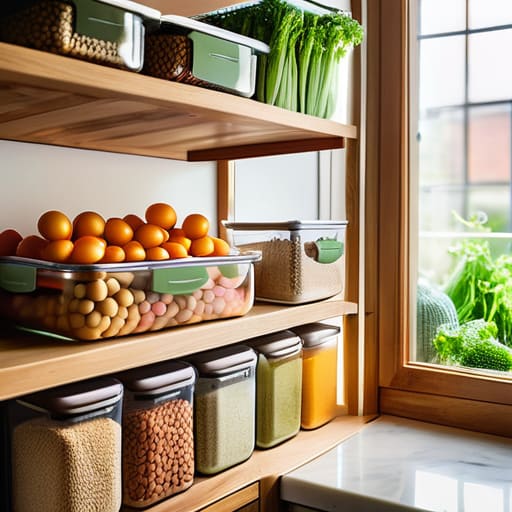
Look, I know that keeping track of every single head of lettuce or bag of flour feels like a second job, but it really does pay off. By just taking a few extra minutes to get your pantry organized and making sure your fridge is actually running at the right temperature, you’re doing more than just tidying up—you’re saving hard-earned cash. It’s about those small, repeatable habits, like checking your expiration dates once a week or grouping your dry goods so nothing gets lost in the back of a dark cupboard. Once you get these simple systems in place, you’ll stop seeing so much food end up in the trash, and your kitchen will feel a whole lot more manageable.
At the end of the day, don’t feel like you have to overhaul your entire kitchen in a single afternoon. I’ve learned through plenty of wasted groceries and messy counters that the best way to change is to just start small. Pick one shelf or one drawer this week and get it right. Before you know it, you’ll have a rhythm down that makes cooking easier and keeps your budget on track. Trust me, once you see how much less you’re throwing away, you’ll realize that most things are totally figure-out-able if you just take them one step at a time. You’ve got this!
Frequently Asked Questions
Should I keep my onions and potatoes together, or will that make them spoil faster?
Keep them apart! I learned this the hard way when I accidentally turned a whole bag of potatoes into mush. Onions release ethylene gas, which basically tells your potatoes to start sprouting and rotting way faster than they should. Think of it like this: they’re roommates that just don’t get along. Keep your potatoes in a cool, dark spot, and stash your onions somewhere else entirely to keep both of them fresh longer.
Is it actually worth it to buy those airtight containers, or can I just use what I already have in the cupboard?
Honestly, don’t go out and drop a bunch of cash on fancy matching sets just yet. If you’ve got old glass jars from pasta sauce or decent Tupperware lying around, use them! They do the job just fine. I only suggest investing in actual airtight containers for things that go stale fast—like coffee, flour, or crackers. For everything else, save your money and stick to what you’ve already got in the cupboard.
How do I know if a piece of produce has actually gone bad or if it's just a little bruised?
Look, I’ve been there—staring at a slightly soft peach, wondering if I’m about to get food poisoning or just wasting good fruit. Here’s my rule of thumb: if it’s just a soft spot or a bruise, trim that part away and use the rest. But if it smells funky, looks slimy, or has actual fuzzy mold growing on it? Toss it. When in doubt, trust your nose and your gut. Better safe than sorry.