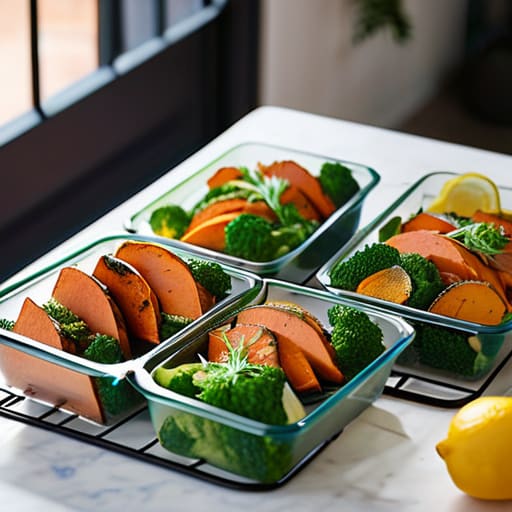
I’ll be the first to admit it: I used to be the king of the “sad desk salad” or, worse, grabbing a greasy takeout bag because I was too wiped out to even think about cooking. We’ve all been there, staring into a fridge full of random ingredients and feeling like we’ve already lost the battle against a busy week. The problem isn’t that you don’t want to eat well; it’s that the sheer mental load of deciding what to eat every single night is exhausting. That’s why I started obsessing over healthy meal prep ideas that actually work for real life, rather than those complicated, three-hour kitchen marathons that leave you too tired to enjoy your food.
In this guide, I’m stripping away the fluff and giving you five straightforward, foolproof ways to get your nutrition back on track. I’m not talking about spending your entire Sunday over a hot stove; I’m talking about smart, scalable systems that save you time and money. By the time you finish reading these five tips, you’ll have a clear roadmap to reclaim your evenings and finally stop the cycle of expensive, last-minute decision fatigue. Let’s get to it!
Table of Contents
The Sheet Pan Savior
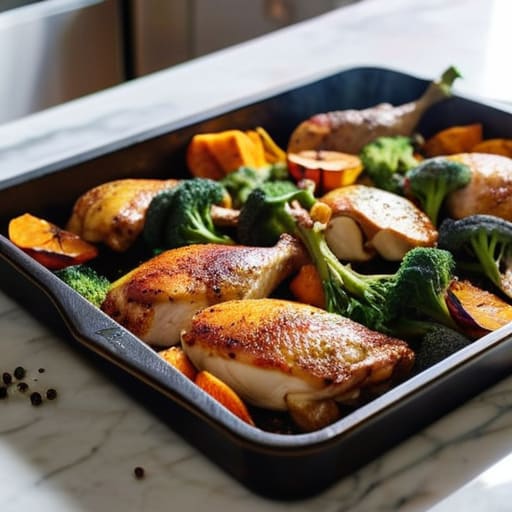
If you’re like me, you probably hate doing a mountain of dishes after cooking. That’s why I swear by the sheet pan method for meal prepping. You just chop up some chicken thighs, broccoli, and sweet potatoes, toss them in olive oil and whatever spices you have in the pantry, and spread them out on a single baking sheet. It’s the ultimate low-effort, high-reward way to get your protein and veggies ready for the week without turning your kitchen into a disaster zone.
Build-Your-Own Grain Bowls
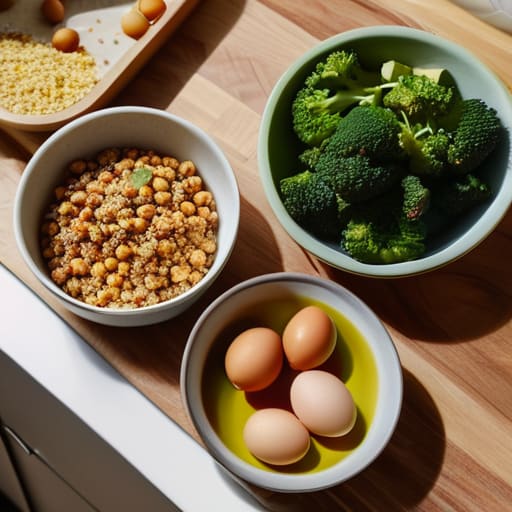
I used to think meal prepping meant eating the exact same Tupperware meal five days in a row, which honestly sounds like a nightmare. Instead, I started prepping “components” for grain bowls. I’ll cook up a big batch of quinoa or brown rice and roast a tray of chickpeas or hard-boiled eggs. This way, you aren’t stuck with one flavor profile; you’re just assembling a meal in about two minutes.
The Big Batch Chili Strategy
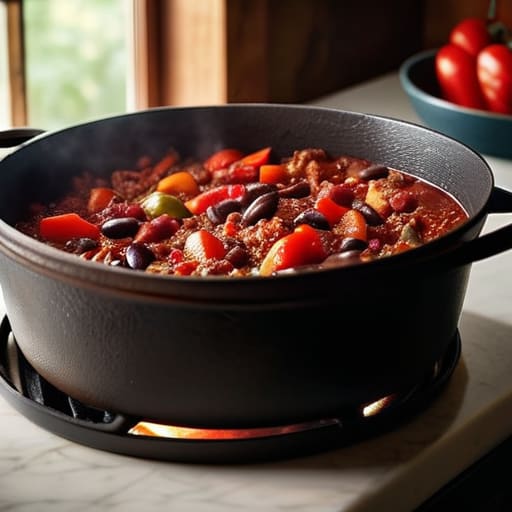
There is something deeply satisfying about a heavy pot of chili simmering on the stove on a Sunday afternoon. Chili is basically the king of meal prep because it actually tastes better the next day after the spices have had time to settle. I like to load mine up with lean ground turkey, black beans, kidney beans, and plenty of diced bell peppers to sneak in some extra nutrients without even thinking about it.
Adult Lunchables (Protein Boxes)
Some days, the idea of reheating food in a communal office microwave sounds absolutely miserable. On those days, I go with what I call “adult lunchables.” It’s really just a glorified snack box, but it’s a lifesaver for staying on track with your health goals. Think sliced deli turkey or ham, some hard-boiled eggs, a handful of almonds, and some sturdy veggies like cucumber slices or baby carrots.
Mason Jar Salad Logic
We’ve all been there: you prep a salad on Sunday, and by Tuesday, it’s a soggy, sad mess at the bottom of the container. I learned the hard way that the secret to a fresh salad is all about the layering technique. You use a wide-mouth mason jar and put your dressing at the very bottom, then add your “hard” veggies like carrots or chickpeas, and save the leafy greens for the very top.
The Bottom Line
Don’t try to go from zero to sixty; start with just one or two recipes a week until it feels like second nature.
Focus on versatile ingredients—if you prep a big batch of roasted veggies or a protein, you can turn them into a dozen different meals.
Keep it simple and keep it real; if a meal is too complicated to cook on a Tuesday night, it’s not going to work for your lifestyle.
My Take on the Prep Game
Look, meal prep isn’t about spending your entire Sunday in a kitchen apron staring at rows of identical plastic containers. It’s just about making sure “Future You” isn’t starving and reaching for a bag of chips at 6:00 PM because you’re too tired to think. Keep it simple, keep it real, and just get the basics ready.
Nathan Cole
You've Got This
Look, I know that staring at a pile of raw chicken, a bag of spinach, and a stack of Tupperware can feel a bit daunting when you first start out. But if you take what we talked about today—focusing on versatile proteins, keeping your grains simple, and not overcomplicating your seasoning—you’re already ahead of the game. The goal isn’t to turn your kitchen into a professional restaurant line; it’s just about making sure that when you’re tired on a Tuesday night, you have something actually good waiting for you in the fridge. Once you nail these five basic ideas, you’ll realize that meal prepping isn’t a chore, it’s just a way to buy yourself some time and sanity.
My biggest piece of advice? Don’t try to be perfect right out of the gate. If you only prep two lunches this week instead of five, that is still a win in my book. You’re building a habit, and habits take a little bit of tinkering to get just right, much like fixing up an old piece of furniture. Just pick one idea from this list, grab your containers, and get moving. I promise you, that feeling of crushing your goals while eating something that doesn’t come out of a crinkly plastic bag is worth every bit of effort. Now, get in there and start cooking!
Frequently Asked Questions
I don't have a ton of extra fridge space; how can I meal prep without my kitchen feeling like a crowded warehouse?
I totally get it. I’ve been there, staring at a fridge so packed I can’t even find the mustard. If space is tight, stop trying to prep full meals in massive Tupperware. Instead, try “component prepping.” Roast a big batch of veggies, cook some grains, and prep a protein separately. Store them in smaller, stackable containers or even reusable silicone bags. It keeps things organized and much easier to squeeze into those narrow shelves.
How do I keep things from getting soggy or tasting "old" by Thursday?
The biggest mistake I see is tossing everything into one big container. That’s a recipe for mush. To keep things fresh, keep your “wet” ingredients—like dressings, salsas, or juicy tomatoes—in separate small containers. Also, let your cooked grains or proteins cool down completely before you lid the container; if you trap that steam, you’re basically steaming your veggies into oblivion. Keep it dry, keep it separate, and it’ll still taste great by Thursday.
What's the best way to prep if I'm working with a really tight budget and can't afford fancy organic ingredients?
Look, I get it. I’ve been there, staring at a grocery receipt and wondering where all my money went. You don’t need fancy organic kale to eat well. Focus on the heavy lifters: dried beans, lentils, oats, and seasonal veggies. Buy in bulk when you can, and don’t sleep on the frozen aisle—those veggies are just as nutritious and way cheaper. Stick to the basics, shop your pantry first, and you’ll be fine.