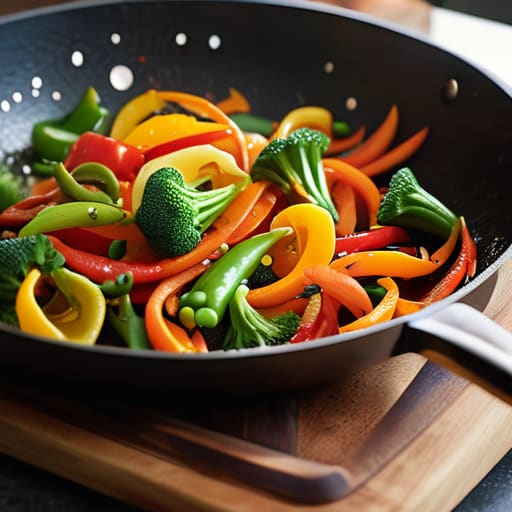
I used to think you needed a professional-grade carbon steel wok and a literal flame coming out of your stove to do this right. I’d see those fancy cooking shows where chefs toss vegetables ten feet into the air, and I’d think, there’s no way I can do that in my cramped apartment kitchen. It felt like one of those things that was destined to be expensive and stressful, but I’m here to tell you that most of that hype is just noise. Learning how to make a stir fry shouldn’t require a culinary degree or a kitchen remodel; it just takes a little bit of prep and the right mindset.
I’m not going to give you a list of twenty obscure ingredients you can only find at a specialty import shop. Instead, I’m going to show you how to use what you’ve already got in your pantry to get a meal on the table in under twenty minutes. My goal is to give you a straightforward, repeatable system that works every single time, whether you’re using a cast iron skillet or a standard pan. We’re going to strip away the intimidation and focus on the actual mechanics of heat and timing so you can cook with confidence.
Table of Contents
Mastering High Heat Cooking Methods Without the Stress
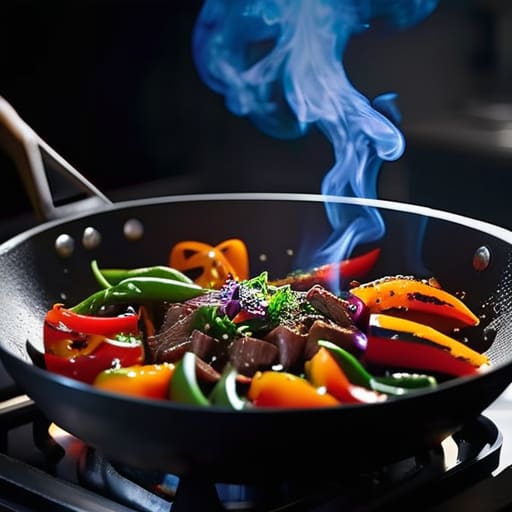
Now, let’s talk about the part that makes most people sweat: the heat. When I first started, I’d turn the burner on, throw everything in at once, and end up with a soggy, sad mess of steamed vegetables instead of that crispy, charred goodness we’re after. The secret to mastering high heat cooking methods isn’t just about cranking the dial to ten; it’s about managing your space and your timing. You want that pan screaming hot before anything hits the oil, but you also need to be ready to move fast.
This is exactly why I’m such a stickler for vegetable prep for stir fry. If you’re standing there frantically chopping a carrot while your garlic is already burning in the pan, you’ve already lost the battle. Get all your veggies sliced, your proteins cubed, and your stir fry sauce ingredients measured out in little bowls next to the stove. Once that heat is up, it’s a sprint, not a marathon. If you stay organized, you can focus on the sizzle instead of the panic.
Smart Vegetable Prep for Stir Fry That Saves Time
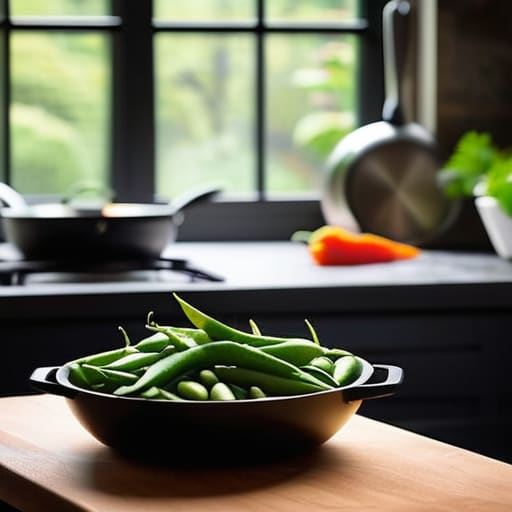
Here’s the thing about stir fry: if you start chopping once the pan is already smoking, you’ve already lost the battle. I’ve burned more garlic cloves than I care to admit because I was scrambling to find my cutting board while the oil was dancing in the pan. To keep things moving, you want to nail your vegetable prep for stir fry before you even touch the stove. I like to group my veggies by how long they take to cook. Hard stuff like carrots or broccoli goes in one pile, while the quick-hitters like bell peppers or snap peas go in another.
I also swear by the “mise en place” approach—it sounds fancy, but it just means getting your bowls ready. While you’re slicing, go ahead and whisk your stir fry sauce ingredients in a small jar or bowl. Having your liquid seasonings, your sliced protein, and your prepped veggies sitting right there in front of you turns a chaotic kitchen into a smooth, assembly-line operation. Trust me, once you get into this rhythm, these become the easiest quick weeknight stir fry meals you’ll ever make.
Five Pro Moves to Level Up Your Stir Fry Game
- Don’t crowd the pan. I know it’s tempting to throw everything in at once to save time, but if your pan is packed tight, the temperature drops and your veggies end up steaming in a sad, soggy pile instead of getting that nice sear. Cook in batches if you have to.
- Get your sauce ready before the heat is on. Once that oil starts smoking, you won’t have time to hunt through the pantry for soy sauce or cornstarch. Mix your liquid ingredients in a small bowl beforehand so you can just pour and go.
- Cut everything to a uniform size. Since stir frying happens fast, you want every piece of broccoli or chicken to cook at roughly the same rate. Aim for bite-sized chunks so you don’t end up with some pieces that are perfect and others that are still raw in the middle.
- Use a high-smoke point oil. Skip the extra virgin olive oil for this one—it’ll burn and taste bitter before your food is even halfway done. Reach for canola, peanut, or avocado oil; they can handle the heat without breaking a sweat.
- Don’t forget the “aromatics” punch. Garlic, ginger, and maybe a little chili flakes are the soul of a good stir fry. Toss them in during the last 30 seconds of your initial oil heating so they scent the dish without turning bitter from overcooking.
Quick Wins for Your Next Stir Fry
Prep everything before you turn on the stove; once that pan gets hot, you won’t have time to go looking for the garlic.
Don’t be afraid of high heat, but keep your ingredients bite-sized so they cook fast and evenly.
Focus on the order of operations—toss in your harder veggies first and save the leafy greens for the very end so nothing turns to mush.
The Secret to a Perfect Pan
“Stir fry isn’t about following a rigid recipe like you’re in a chemistry lab; it’s about getting your prep done early so you can actually enjoy the sizzle instead of panicking while your garlic burns.”
Nathan Cole
You've Got This: From Prep to Plate
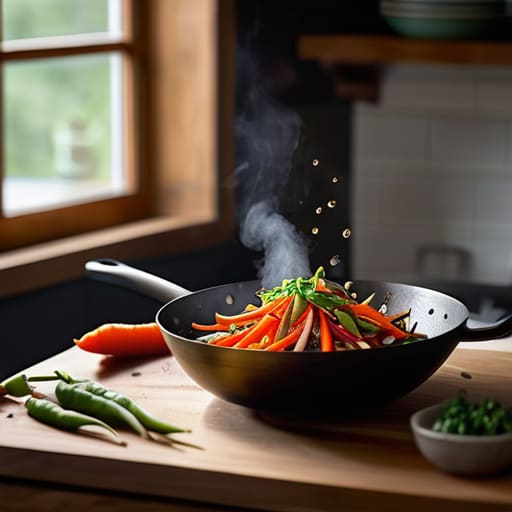
At the end of the day, a great stir fry isn’t about having a professional chef’s kitchen or fancy equipment; it’s about the preparation. Once you’ve mastered that smart vegetable prep to save yourself from mid-cook panic and you’ve gotten comfortable managing that high heat, you’re already ahead of most people. Remember, the goal is to get everything into the pan in a logical order so nothing burns while you’re rushing to grab the next ingredient. Keep your sauce ready, your veggies chopped, and your heat high, and you’ll find that the whole process becomes much more rhythmic and way less chaotic.
I know it can feel a little intimidating when you first hear that loud sizzle hitting a hot pan, but trust me, that sound is just the recipe working. Don’t sweat it if your first attempt isn’t a masterpiece—maybe you overcooked the broccoli or forgot a splash of soy sauce—just tweak it next time and keep going. Cooking is a skill, just like fixing a leaky sink or troubleshooting a router, and it only gets easier with practice. You’ve got all the tools and the knowledge you need right in front of you, so get in that kitchen and start tossing.
Frequently Asked Questions
I don't have a wok, so can I just use a regular non-stick skillet?
You can absolutely use a non-stick skillet, so don’t sweat it if you don’t own a wok. Just keep one thing in mind: a skillet has more surface area and less “wall” than a wok, so your veggies might steam instead of sear if you crowd the pan. To fix that, just cook in smaller batches. It might take a few extra minutes, but you’ll still get that great texture without the specialized gear.
How do I stop my vegetables from turning into mushy, overcooked piles?
The secret is all about timing and “staggering” your veggies. I used to throw everything in at once, and yeah, it turned into a sad, soggy mess. Instead, treat your vegetables like a lineup. Toss in the hard stuff first—think carrots or broccoli—and let them get a head start. A minute or two later, add the softer stuff like bell peppers or snap peas. This way, everything hits your plate perfectly crisp.
What's the best way to thicken the sauce so it actually sticks to the food instead of pooling at the bottom of the pan?
The secret is a “slurry,” and honestly, it’s a total game-changer. Mix about a teaspoon of cornstarch with a splash of cold water in a small cup until it’s smooth—no lumps allowed! Once your stir fry is cooked, pour your liquid sauce into the pan, then drizzle that slurry in while stirring. It’ll go from watery to glossy and thick in seconds, hugging every piece of veggie and meat instead of just puddling at the bottom.