I used to think that learning how to meal plan meant I had to spend my entire Sunday afternoon prepping twenty identical Tupperware containers of steamed broccoli and plain chicken, looking like I was training for a marathon I never signed up for. Honestly, that kind of rigid, “Pinterest-perfect” approach is a total scam that just leads to burnout and expensive food waste. Most of those influencers make it look like a professional kitchen operation, but for the rest of us just trying to get a decent dinner on the table after a long shift, it feels completely overwhelming.
I’m not here to sell you on a lifestyle you can’t maintain; I just want to show you that it’s actually much more figure-out-able than it looks. I’m going to walk you through my own no-nonsense system for getting your week under control without spending a fortune or losing your sanity. We’re going to break this down into a few simple, manageable steps so you can stop staring blankly at the fridge and start feeling actually prepared for the week ahead.
Table of Contents
Mastering Meal Prep for Beginners Without the Stress
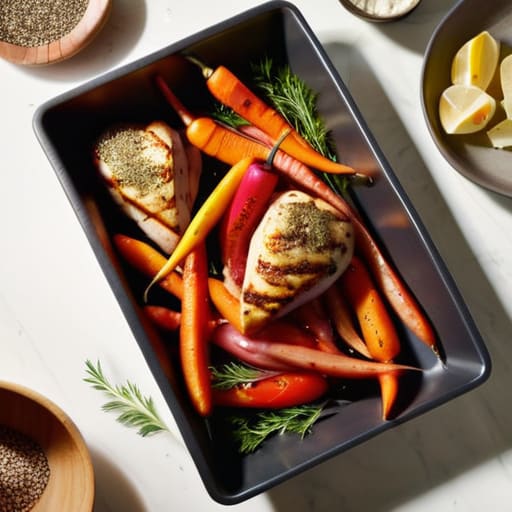
Look, I used to think meal prepping meant spending my entire Sunday afternoon standing over a steaming pot like a mad scientist, filling dozens of identical plastic containers with bland chicken and broccoli. That’s the fastest way to burn out. Instead, I’ve learned that the secret to meal prep for beginners is to keep it flexible. You don’t need a complex blueprint; you just need a system that works for your actual life. I like to focus on “component prepping”—roasting a big tray of veggies, cooking a batch of grains, and prepping one solid protein. This way, you aren’t eating the exact same meal five days in a row, but you still have the building blocks ready to go when you’re tired after work.
The real magic happens when you pair this with some solid batch cooking strategies. If you’re already making a big pot of chili or a tray of lasagna, just double the recipe. It takes almost zero extra effort, but it buys you a “free” night later in the week. Don’t aim for perfection on your first try; just aim to make your Tuesday night a little less chaotic.
Budget Friendly Meal Planning to Save Your Hard Earned Cash
Let’s be real: grocery stores are designed to make you spend money you didn’t plan on spending. You walk in for milk and walk out with a cart full of stuff you don’t even need. To fight back, you’ve got to get serious about grocery list organization. Before you even step foot in the store, take a quick inventory of what’s already hiding in the back of your pantry or freezer. Building your meals around what you already own is the easiest way to practice budget friendly meal planning without feeling like you’re sacrificing flavor.
Once you’re at the store, stick to the perimeter and try to buy versatile staples like grains, beans, and seasonal veggies. I’m a huge fan of using batch cooking strategies to stretch a single grocery haul across the whole week. For example, if you roast a big tray of chicken and veggies on Sunday, those same ingredients can become a hearty salad on Monday and a quick stir-fry on Tuesday. It’s not about being perfect; it’s just about being intentional with your spending so you can keep more of your paycheck in your pocket.
5 Quick Wins to Keep Your Meal Plan from Falling Apart
- Shop your own pantry first. Before you even touch a grocery app or head to the store, pull everything out of your cupboards. If you’ve got three cans of black beans and a box of pasta hiding in the back, that’s your starting point. Building meals around what you already own is the easiest way to keep your budget in check.
- Don’t try to be a gourmet chef every single night. I’ve learned the hard way that if a recipe takes two hours of prep, I’m probably not going to do it on a Tuesday. Aim for “low-effort wins”—think sheet pan dinners, slow cooker stews, or even just a really good rotisserie chicken that you can repurpose for tacos the next day.
- Pick a “theme” for your nights to stop the decision fatigue. When I can’t decide what to eat, I fall back on simple rules: Meatless Monday, Taco Tuesday, or Pasta Thursday. It sounds a little cheesy, but it narrows down your choices so you aren’t staring blankly at the fridge for twenty minutes every evening.
- Build in “buffer nights” for when life gets messy. Some weeks, a friend calls you out for drinks or you just work late and end up exhausted. If you plan every single meal from Monday to Sunday, one unexpected event will wreck your whole system. Leave at least one or two nights a week as “flexible nights” or leftovers night.
- Prep your ingredients, not just your meals. You don’t have to spend four hours on Sunday portioning everything into tiny plastic containers if that feels too intense. Just chopping your onions, washing your greens, or marinating your chicken ahead of time makes the actual cooking process feel way less like a chore when you’re tired after work.
The Bottom Line on Making Meal Planning Work
Don’t try to be a gourmet chef on day one; start by planning just three or four solid meals a week so you don’t burn out.
Shop your own pantry and freezer before you hit the grocery store to save money and stop buying stuff you already have.
Focus on “component prepping”—like cooking a big batch of grains or roasting extra veggies—rather than spending your entire Sunday boxing up identical Tupperware meals.
## The Big Picture
“Look, meal planning isn’t about being some master chef with a perfectly color-coded spreadsheet; it’s just about making sure you aren’t standing in front of an open fridge at 6:00 PM with zero ideas and a hungry family.”
Nathan Cole
You’ve Got This
Look, I know it feels like a lot when you first start looking at a blank calendar and a grocery list. But we’ve covered the heavy lifting: you’ve got the basics of stress-free prep, and you know how to keep your wallet happy by shopping smart. The goal isn’t to become a professional chef overnight or to spend your entire Sunday in the kitchen; it’s just about building a system that actually works for your life. Whether you’re prepping full meals or just making sure you have the right ingredients for a quick Tuesday night stir-fry, you’re already ahead of the game compared to just winging it every single day.
At the end of the day, meal planning is just another tool in your kit, much like a good set of wrenches or a reliable chef’s knife. It’s about taking a little bit of control back from the chaos of a busy week. Don’t beat yourself up if a plan falls through or if you end up ordering pizza on a Friday—that’s just part of the process. The important thing is that you’re trying a new way to make things easier. Keep it simple, keep it flexible, and just keep moving forward. You’ve totally got this.
Frequently Asked Questions
I don't have a ton of extra time on Sundays; is there a way to do this without spending my entire afternoon in the kitchen?
Look, I get it. I’ve had plenty of Sundays where the last thing I wanted to do was stand over a stove for four hours. You don’t need a marathon session to make this work. Try “component prepping” instead. Just cook a big batch of one protein, one grain, and one roasted veggie. That’s it. You aren’t making full meals; you’re just building a toolkit of ingredients you can toss together in minutes all week.
How do I keep my meals from getting boring if I'm eating similar things throughout the week?
Look, I get it. Eating the same chicken and rice every night can feel like a chore. But here’s the secret: don’t change the base, change the vibe. Think of your meal as a foundation. One night, hit it with taco seasoning and lime; the next, go with soy sauce and ginger. Swap your sauce, switch your crunch with different nuts or seeds, or just toss in a new veggie. Small tweaks, big flavor.
What’s the best way to handle leftovers so they actually taste good on Tuesday or Wednesday?
The secret to leftovers that don’t taste like sad, soggy cardboard is all about how you store and reheat them. First, let them cool down before sealing the lid—trapping steam is what makes things mushy. Second, keep your sauces separate if you can; adding them right before you heat things up makes a huge difference. Finally, skip the microwave for everything except soup. A quick pan-sear in a skillet brings that texture back to life.