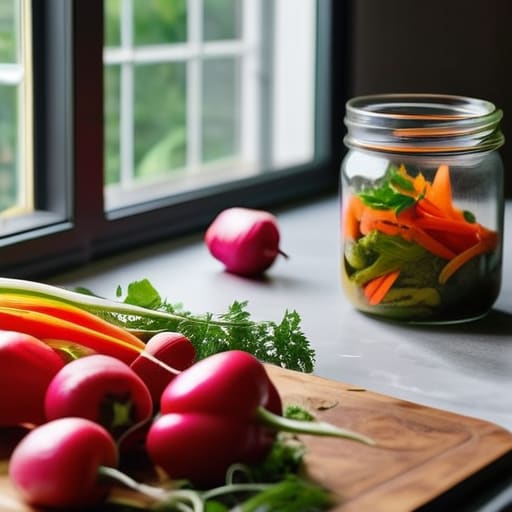
I was digging through the back of my fridge last Tuesday—trying to find that one lonely jar of pickles—when I found a bag of spinach that had basically turned into green slime. It’s a gut punch every time, isn’t it? You spend your hard-earned money at the grocery store, feeling all productive, only to realize you’re essentially tossing cash directly into the trash bin every single week. Most “experts” will tell you that you need fancy airtight containers or a high-tech composting system to fix this, but honestly, that’s just more clutter you don’t need. Learning how to reduce food waste shouldn’t feel like a second job or a massive lifestyle overhaul; it should just be about working smarter with what you’ve already got.
I’m not here to sell you on expensive gadgets or complicated meal-prepping rituals that take all Sunday afternoon. Instead, I want to share the straightforward, battle-tested habits I’ve picked up from years of cooking on a budget and living in small kitchens. I’m going to show you how to organize your fridge like a pro, shop with a plan, and actually use those leftovers instead of letting them die in a Tupperware container. Let’s get into it.
Table of Contents
Mastering Meal Planning for Beginners Without the Stress
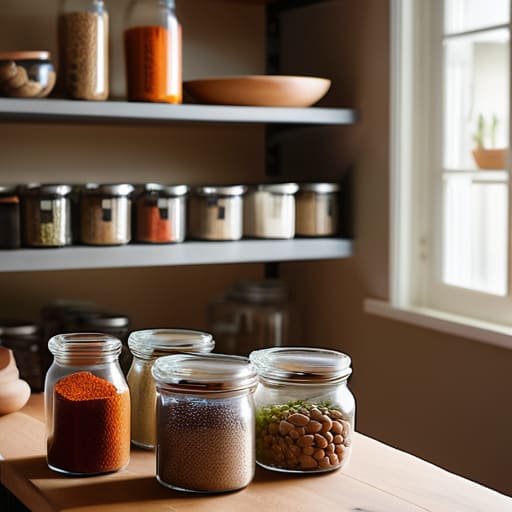
Look, I used to think meal planning meant spending my entire Sunday afternoon prepping twenty identical Tupperware containers of steamed broccoli. That sounded miserable, and honestly, it’s why I kept quitting. But I’ve learned that meal planning for beginners doesn’t have to be a full-time job; it’s really just about looking at what you already have before you head to the store. If you check your pantry first, you’ll stop buying that third jar of cumin you don’t actually need, which is a massive win for reducing grocery bills.
The trick is to build a loose framework rather than a rigid schedule. Instead of a strict Monday-through-Friday menu, try picking two “anchor” proteins or veggies you can use in different ways throughout the week. Maybe you roast a big tray of sweet potatoes on Tuesday, and use the leftovers in a breakfast hash on Thursday. When you focus on flexible meal prep rather than perfection, you actually stick to it. It turns a chore into a way to keep your kitchen running smooth without the constant “what’s for dinner?” panic.
Reducing Grocery Bills by Using What You Already Own
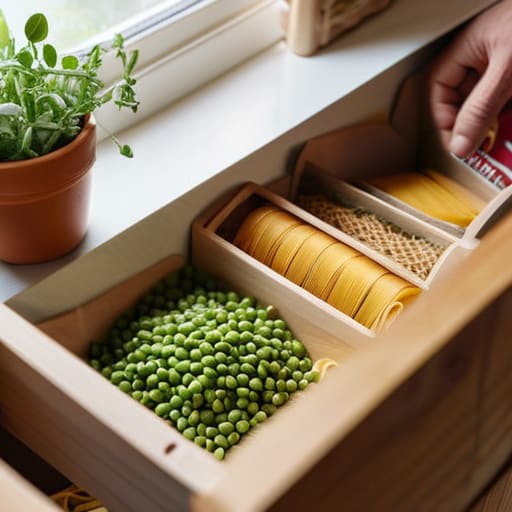
Before you even think about grabbing your keys and heading to the store, I need you to do one thing: open your pantry and your fridge. I know, it sounds like a chore, but it’s the fastest way to start reducing grocery bills without feeling like you’re living on ramen. Most of us have that “mystery bag” of frozen peas or a half-box of pasta hiding in the back that we completely forgot about. Instead of buying a whole new set of ingredients for a recipe, try to build your next meal around what’s already sitting there. I like to call it a “pantry raid”—it’s basically a game where the prize is extra cash in your pocket.
Once you’ve inventoried your stash, the next step is making sure nothing goes bad while it’s waiting its turn. This is where proper food storage techniques really save the day. I’ve learned the hard way that shoving a bag of spinach into the crisper drawer without a paper towel isn’t enough; you have to treat your produce with a little respect if you want it to last. If you catch something just before it turns, don’t toss it! Throw it in a pan or freeze it for later.
5 Simple Habits to Keep Your Food from Going Bad
- Get to know your fridge’s “danger zones.” I learned the hard way that shoving everything into the crisper drawer doesn’t work; some veggies actually prefer the main shelf, and some fruits will make everything else rot if they’re too close. Take ten minutes to figure out what stays fresh where.
- Master the art of the “Eat Me First” bin. I started using a small plastic container right at eye level in my fridge for all those half-used jars of salsa, lonely carrots, or leftovers. If it’s in the bin, it’s the priority for your next meal.
- Stop treating your freezer like a black hole. We’ve all done it—tossed a bag of frozen peas in the back and forgotten it until 2026. Use a Sharpie to label every bag with the date and what’s inside, and try to keep the “old stuff” at the front.
- Learn to love your scraps. Before you toss those onion skins, carrot tops, or herb stems, throw them into a bag in the freezer. Once you have a decent amount, boil them down into a homemade veggie stock. It’s basically free flavor and keeps a ton of waste out of the trash.
- Don’t be afraid to “repurpose” instead of “replacing.” If those spinach leaves are looking a little limp, don’t toss them—wilt them into a pasta sauce or throw them in a smoothie. Most of the time, they’re still perfectly good; they just need a little heat or a blender to make them usable again.
The Quick Cheat Sheet for Less Waste
Shop your pantry first so you aren’t buying a third jar of mayo when you already have two hiding in the back.
Treat your fridge like a “first-in, first-out” system—move the older stuff to the front so you actually eat it before it turns into a science project.
Stop aiming for perfection with meal prep; just having a rough idea of what you’re eating for dinner prevents those expensive, last-minute takeout runs.
## The Real Secret to a Leaner Kitchen
“At the end of the day, reducing food waste isn’t about being some perfect, zero-waste guru; it’s just about looking at what you’ve already got in the pantry before you go clicking ‘add to cart’ again.”
Nathan Cole
Making It Stick
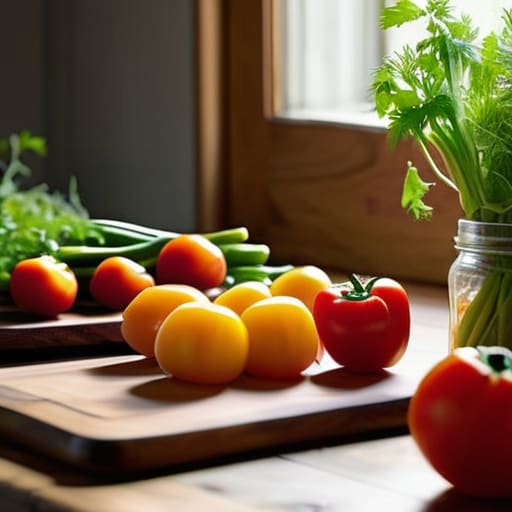
Look, I know it feels like a lot to juggle when you first start trying to change how you handle your kitchen. Between mapping out a meal plan that actually works and doing a quick inventory check of your pantry before you hit the store, it can feel like another chore on an already long to-do list. But once you start seeing those half-empty jars and forgotten vegetables actually getting used instead of rotting in the crisper drawer, you’ll realize it’s not about being perfect—it’s about being intentional. If you can master the art of using what you already have, you’re already winning the battle against waste and unnecessary spending.
At the end of the day, my goal isn’t to turn you into a professional chef or a master organizer; I just want you to feel like you’ve got a handle on your own home. Don’t get discouraged if you still end up tossing a bag of wilted spinach once in a while. Just take a breath, look at what’s left, and start fresh tomorrow. Most things in life—including a messy fridge—are totally figure-out-able if you just take them one small step at a time. You’ve got this.
Frequently Asked Questions
How do I actually know when food has gone bad versus when it’s just past its "best by" date?
Look, those “best by” dates are more like suggestions from the manufacturer than a countdown to disaster. They’re mostly about quality, not safety. To tell if something is actually sketchy, use your senses. If it smells off, looks slimy, or has fuzzy mold, toss it. For things like eggs, try the float test in water. If it sinks, you’re good; if it floats, it’s time to say goodbye. Trust your gut.
What are some easy ways to store produce so it doesn't turn into mush in the crisper drawer?
The secret to keeping your produce from turning into a science experiment is managing moisture. Most people just toss everything in the crisper, but that’s a recipe for mush. For leafy greens, wrap them in a paper towel before putting them in a container or bag; it absorbs that extra condensation. Also, keep your onions and potatoes far away from each other—they actually make each other spoil faster. It’s a small tweak, but it works.
I hate throwing scraps away, but what's the easiest way to start composting if I live in a small apartment?
Look, I get it. Tossing a perfectly good onion skin or coffee ground feels like a crime against your wallet. If you’re in a small apartment, don’t worry—you don’t need a massive backyard bin. Honestly, the easiest way to start is with a small, sealed countertop bin or even a “Bokashi” bucket. It uses fermentation to break down scraps without the smell or the mess. It’s small, tucked away, and totally doable.