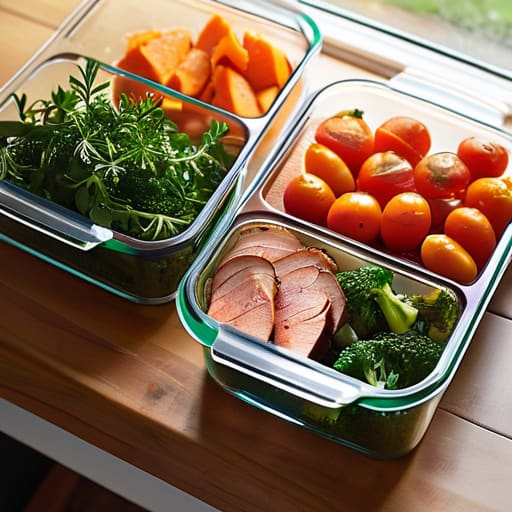
I remember standing in my tiny kitchen back in my early twenties, staring at a pile of wilted spinach and a box of pasta, wondering why I was spending forty minutes every single night just trying to scrape together a decent meal. I used to see these “influencer” recipes online that made meal prep look like a high-end culinary production involving twenty different glass containers and three hours of specialized chopping. Honestly, that kind of approach to batch cooking for beginners is a total myth that just leads to burnout and a sink full of dishes. You don’t need a gourmet kitchen or a massive budget to make this work; you just need a solid game plan that actually fits into a normal, messy life.
I’m not here to sell you on some complicated lifestyle overhaul that you’ll abandon by Wednesday. Instead, I’m going to show you how to use a few simple, repeatable steps to get your food sorted without losing your mind. We’re going to focus on practical wins—like prepping versatile ingredients rather than rigid meals—so you can spend less time hovering over a stove and more time actually enjoying your week.
Table of Contents
Smart Weekly Meal Planning Strategies That Actually Work
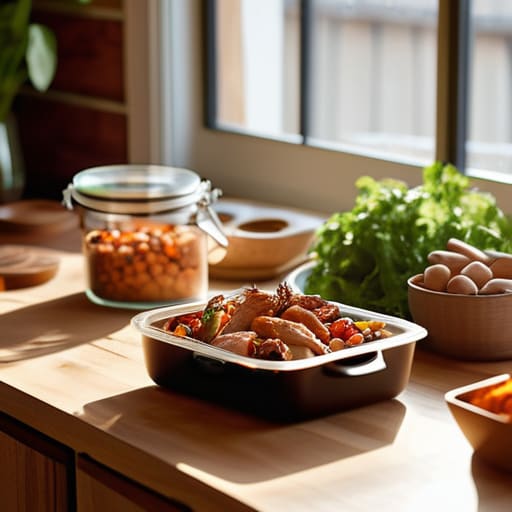
Look, I’ve tried those overly complicated planners that require you to color-code your entire life, and honestly? They’re a total waste of time. The best weekly meal planning strategies are the ones that actually stick, which means keeping it flexible. Instead of trying to cook five different recipes on a Sunday, I like to pick two big “base” ingredients—like a massive tray of roasted chicken or a huge pot of seasoned black beans. From there, you can pivot. One night it’s a burrito bowl, the next it’s a salad or a wrap. It’s all about building components rather than rigid meals.
Once you’ve got your bases covered, you need to think about the “future you” who is exhausted on a Wednesday night. This is where time saving kitchen hacks really pay off. I always suggest prepping your veggies right after you chop them so they’re ready to toss into a pan later. Also, don’t forget to invest in a few decent meal prep containers for freezing; if you realize you’ve made way too much chili, you can just portion it out and tuck it in the freezer for a rainy day. It’s much easier than starting from scratch when life gets messy.
Budget Friendly Meal Prepping Without Breaking the Bank
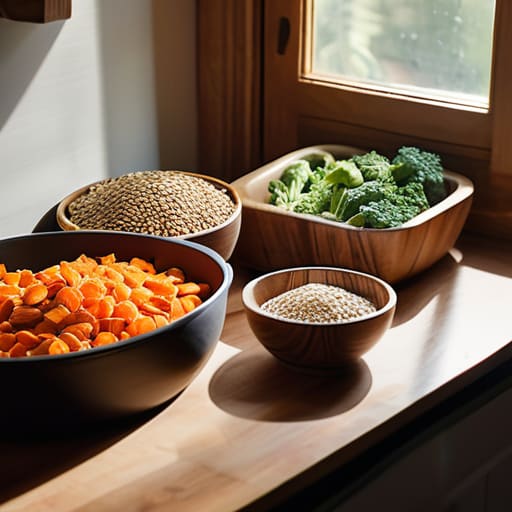
Look, I get it. When you hear “meal prepping,” you might picture those fancy, color-coded bento boxes and expensive organic ingredients that cost more than a new drill set. But let’s get real: budget friendly meal prepping is mostly about being smart with what’s already on sale. My go-to move is hitting the grocery store with a list built around seasonal produce and bulk proteins. Instead of buying individual snack packs, grab a large bag of rice or a big tub of oats. When you build your meals around these staples, you’re not just saving money; you’re building a foundation that makes every other ingredient go much further.
One thing I learned the hard way is that you don’t need a gourmet kitchen to make this work. You just need a few time saving kitchen hacks to keep things efficient. For example, if you’re roasting veggies, throw two different trays in the oven at once. While those are cooking, you can chop your proteins. Also, don’t sleep on the freezer. If you find a great deal on chicken or beans, grab extra. Just make sure you’re using decent meal prep containers for freezing so nothing gets freezer burn and ends up in the trash. Keeping it simple and smart is how you win.
5 Pro Tips to Keep Your Batch Cooking From Becoming a Chore
- Don’t try to be a gourmet chef on day one. Start by prepping “building blocks” like a big pot of seasoned rice, roasted veggies, or a batch of shredded chicken. It’s way easier to mix and match those throughout the week than it is to eat the exact same heavy casserole five days in a row.
- Invest in a few good, airtight containers. I learned this the hard way—using old, flimsy plastic tubs is a recipe for soggy leftovers and a messy fridge. Get some decent glass or heavy-duty BPA-free containers that actually seal tight; your food (and your sanity) will thank you.
- Use your freezer as your best friend. If you realize you’ve made way more chili or pasta sauce than you can actually eat before it goes bad, don’t force it. Portion it out into individual freezer bags immediately. It’s basically like building your own “emergency meal” library for those nights when you’re too wiped to cook.
- Clean as you go, seriously. There is nothing more soul-crushing than finishing a massive cooking session only to realize you’re staring at a mountain of crusty pots and pans. Wash your cutting boards and bowls while the stuff in the oven is still roasting. It makes the whole process feel way less like a second job.
- Leave some room for “the pivot.” Life happens. Maybe you end up grabbing takeout with friends, or you just aren’t feeling the meal you prepped. That’s okay! Don’t let a rigid plan make you feel like you failed. Batch cooking is a tool to make your life easier, not a rulebook to make it harder.
The Bottom Line: Making It Work for You
Don’t try to be a gourmet chef on day one; start by prepping just two or three versatile ingredients—like a big batch of roasted veggies or a pot of grains—to see how much easier your week gets.
Keep your gear simple and your plan flexible, because the best meal prep is the kind that actually fits into your real, messy life instead of a perfect Pinterest board.
Focus on “component cooking” rather than rigid recipes, so you can mix and match what you’ve made throughout the week without getting bored or feeling stuck.
## My Philosophy on Prep
“Batch cooking isn’t about spending your entire Sunday staring at a stove; it’s just about doing a little bit of the heavy lifting early so that when Tuesday rolls around and you’re exhausted, dinner is already a solved problem.”
Nathan Cole
You’ve Got This
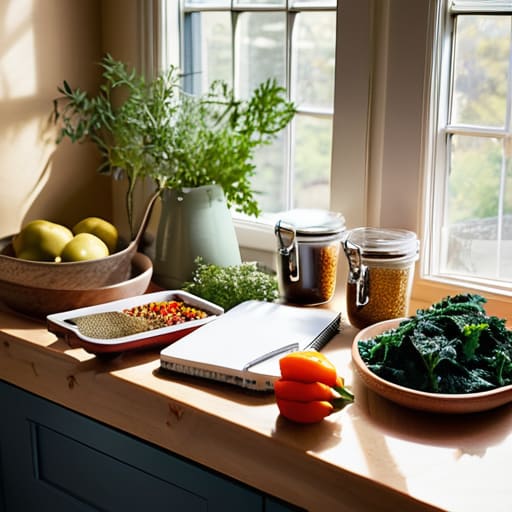
Look, I know it sounds like a lot when you first sit down with a notebook and a grocery list. Between mapping out your weekly strategy, keeping an eye on the budget, and actually spending a few hours in the kitchen, it can feel like another chore on an already long to-do list. But remember, the goal isn’t to become a professional chef overnight; it’s just to make your future self a little bit happier. Once you’ve mastered the basics of choosing versatile ingredients and prepping them in bulk, you’ll realize that you aren’t just making food—you’re buying back your time and cutting down on that mid-week decision fatigue that usually leads to expensive takeout.
My biggest piece of advice? Don’t try to be perfect. If you only prep two things this week instead of five, that is still a massive win. Start small, use the tools you already have, and don’t be afraid to tweak things as you go. Most things in life are just a matter of breaking them down into manageable pieces, and meal prepping is no different. Grab a container, get into a rhythm, and soon enough, you’ll be looking at a fridge full of delicious options and a much calmer headspace. You can totally do this.
Frequently Asked Questions
How do I keep my prepped meals from tasting like mush by Wednesday?
The “Wednesday Mush” is real, and it’s usually because we’re overthinking the storage. First, let the food cool completely before sealing the lids; trapping steam turns everything into a soggy mess. Second, stop mixing your sauces in with the grains or veggies. Keep your dressings and wet ingredients in small separate containers. Finally, keep your “crunchy” stuff—like nuts, seeds, or even toasted breadcrumbs—in a separate bag to add right before you eat.
Do I really need to spend my entire Sunday in the kitchen, or is there a faster way?
Look, I’ll be the first to admit: nobody wants to spend their entire Sunday hunched over a stove like it’s a full-time job. That’s the fastest way to burn out. You don’t need a marathon session; you just need a system. Try “component prepping” instead. Roast a big tray of veggies, boil some grains, and cook one protein. You’re not making full meals, just the building blocks. It takes way less time and keeps things flexible.
What are the best containers to use so my food stays fresh and doesn't leak in my bag?
Look, don’t waste your money on those cheap, flimsy plastic tubs that turn orange from spaghetti sauce and leak in your backpack. If you’re serious about this, go with glass—specifically borosilicate glass. It’s tougher, won’t stain, and you can pop it straight in the microwave or oven. If you need something lighter for a commute, grab high-quality BPA-free containers with silicone seals and locking clips. If it doesn’t click, it’s going to leak.