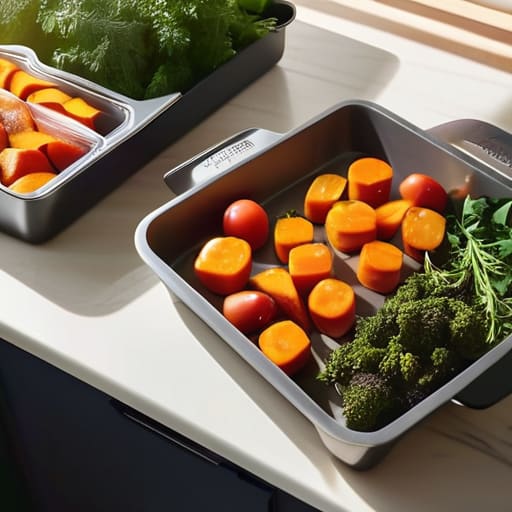
I used to think that learning how to meal prep meant I had to turn my kitchen into a professional test kitchen, surrounded by twenty identical Tupperware containers and enough organic kale to feed a small village. Honestly, the way some “wellness influencers” talk about it makes it sound like a full-time job that requires a culinary degree and a massive budget. I’ve spent way too many Tuesday nights staring into a nearly empty fridge, halfway between ordering expensive takeout and eating a bowl of plain cereal, just because the idea of massive, multi-hour cooking sessions felt impossible.
But here’s the truth: most of that stuff is just noise. I’m not here to sell you on a lifestyle of aesthetic glass jars and complicated recipes that take all Sunday to finish. Instead, I’m going to show you how to approach how to meal prep using the same logic I use when fixing a leaky faucet—just break it down into manageable, logical steps. We’re going to focus on practical, high-impact wins that save you time and money without turning your life upside down. We’ll keep it simple, keep it cheap, and most importantly, keep it doable.
Table of Contents
Smart Weekly Meal Planning Tips to Save Your Sanity
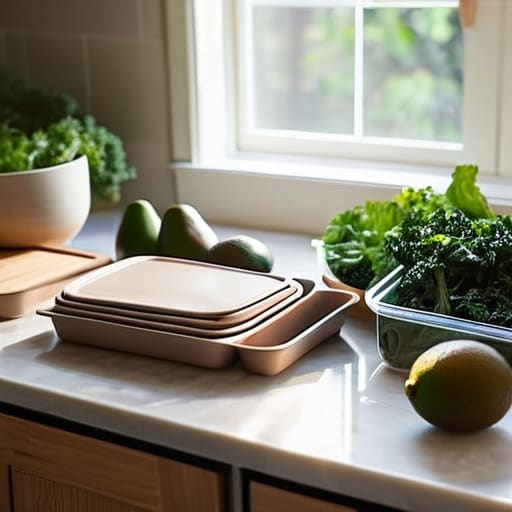
Before you even touch a knife or turn on the stove, you’ve got to get your head in the game. The biggest mistake I see people make is trying to wing it on a Sunday night without a roadmap. To keep things from turning into a chaotic kitchen disaster, I rely on a few solid weekly meal planning tips that keep me from staring blankly at the pantry. Start by checking what you already have in the back of the cupboard—there’s no sense in buying a new bag of rice if you’ve already got three hiding behind the pasta. I like to pick two or three main proteins and just build everything around those to keep things simple.
Once you have a rough idea of what you’re eating, it’s time to think about the logistics. I’m a huge fan of batch cooking techniques, like roasting three trays of veggies or simmering a massive pot of chili all at once. It’s much more efficient than cooking five separate meals. Also, don’t skimp on your gear; investing in a decent set of meal prep containers for storage is a total game-changer. If your containers leak or don’t stack right, you’re going to hate opening your fridge on Wednesday. Get the good stuff, and you’ll actually want to grab your lunch on the go.
Batch Cooking Techniques That Make Sunday Feel Like a Breeze
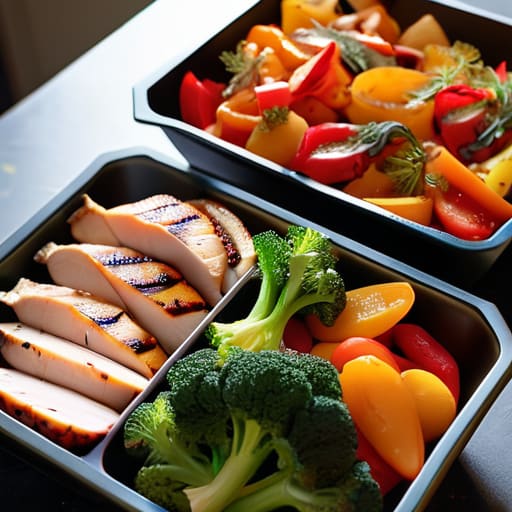
Now, let’s talk about the actual heavy lifting: the cooking part. When I first started, I thought I had to cook five different recipes every Sunday, which was a total recipe for burnout. Instead, I learned that the secret to efficient batch cooking techniques is to focus on “component cooking.” Rather than making a finished lasagna, I’ll roast three trays of mixed veggies, boil a big pot of quinoa, and grill a mountain of chicken breasts all at once. By prepping individual building blocks, you aren’t stuck eating the exact same leftovers every single night; you can pivot from a Mediterranean bowl on Tuesday to a hearty grain salad on Wednesday.
Once your food is ready, don’t just shove it into random Tupperware you found in the back of the pantry. If you want to stay consistent, invest in some decent meal prep containers for storage that actually seal tight. There is nothing worse than opening your lunch at work only to find a soggy mess because the lid wasn’t airtight. I like using glass containers because they go straight from the fridge to the microwave without that weird plastic smell, making your weekly routine feel a lot more professional and a lot less chaotic.
Five Pro Moves to Keep Your Prep from Feeling Like a Chore
- Don’t try to be a gourmet chef on Sunday. Pick two or three “base” ingredients—like a big batch of roasted chicken, a pot of quinoa, or some seasoned black beans—and focus on making those versatile enough to switch up flavors throughout the week.
- Invest in a decent set of matching glass containers. I know, it sounds like a minor thing, but having containers that actually stack well and don’t leak in your bag makes a massive difference in how much you actually want to grab your lunch on Monday morning.
- Master the “component prep” method instead of full-on assembly. Instead of making five identical Tupperware boxes of the same pasta, just prep the components—chop the veggies, cook the protein, and make the sauce separately. It keeps the food from getting soggy and gives you more freedom to mix and match.
- Use your freezer as your secret weapon. If you realize you’ve cooked way more chili or soup than you can eat in four days, don’t let it go to waste. Portion it into individual bags immediately and freeze them; those are your “emergency meals” for the next time you’re too tired to cook.
- Clean as you go, seriously. There is nothing that kills my motivation faster than finishing a great cooking session only to find a mountain of crusty pans and vegetable scraps in the sink. If you wash your cutting board while the onions are sautéing, you’ll actually enjoy the process.
The Bottom Line: Making It Work for You
Don’t try to be a gourmet chef on your first go; start by prepping just two or three versatile ingredients that can work in multiple meals.
Focus on the “why” behind the prep—whether it’s saving money or just avoiding that 6:00 PM “what’s for dinner” panic—to keep yourself motivated.
Keep your tools organized and your kitchen workflow simple, because if the prep feels like a chore, you won’t stick with it next week.
The Real Secret to Staying on Track
“Look, meal prep isn’t about spending six hours in a flour-covered kitchen every Sunday; it’s just about making your future self a little less stressed when Tuesday night rolls around and you’re too tired to think.”
Nathan Cole
You’ve Got This
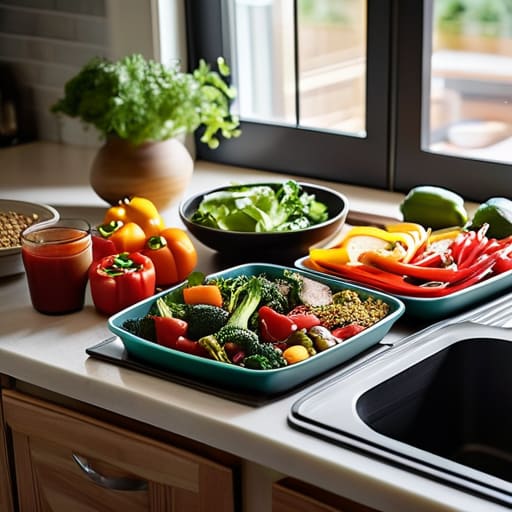
Look, I know that staring at a pile of Tupperware and a mountain of raw chicken can feel a bit overwhelming at first. But if you take what we talked about today—starting with a solid plan, leaning into those batch cooking techniques, and not trying to cook five different gourmet meals at once—you’re already ahead of the game. The goal isn’t to turn your kitchen into a professional restaurant line; it’s about making your future self’s life easier. When you focus on simple, repeatable wins like roasting a big tray of veggies or simmering a massive pot of grains, you’re building a foundation that actually sticks.
If your first attempt at meal prepping goes a little sideways—maybe you overcooked the rice or ended up with three containers of the same salad—don’t sweat it. I’ve definitely been there, and honestly, it’s all part of the learning curve. Just tweak the recipe next week and keep moving. At the end of the day, meal prepping is just another tool in your belt to help you reclaim your time and your budget. You don’t need to be perfect; you just need to start where you are. Grab a container, get in the kitchen, and give it a shot. You’ll be surprised at how good it feels.
Frequently Asked Questions
How do I keep my food from getting soggy or tasting like "fridge air" by Thursday?
The “fridge air” taste is the worst—it’s like your leftovers are absorbing the scent of that half-used onion from Tuesday. First, let your food cool completely before sealing it; trapping steam is what makes everything soggy. Second, ditch the cheap plastic containers and grab some glass ones with airtight lids. They don’t hold onto smells like plastic does. Finally, keep sauces on the side and toss them on right before you eat.
Do I really need to spend my entire Sunday in the kitchen, or is there a faster way to do this?
Look, I get it. The idea of spending six hours straight hovering over a stove on a Sunday sounds like a nightmare, not a “hack.” You don’t need to do that. I personally swear by “component prepping”—instead of making full recipes, just roast two trays of veggies, boil a big pot of grains, and cook some protein. It takes way less time, and you can mix and match them all week so you don’t get bored.
What are the best containers to invest in so I'm not just throwing everything into cheap plastic tubs that leak everywhere?
Look, I’ve been there—staring at a puddle of leftover chili in my fridge because a cheap plastic tub decided to give up the ghost. It’s frustrating and a total waste of food. If you’re serious about this, invest in glass containers with snap-locking lids. They don’t stain, they’re microwave-safe, and they actually seal tight. If you’re on a tighter budget, grab a decent set of BPA-free silicone bags. They’re versatile and won’t leak in your bag.