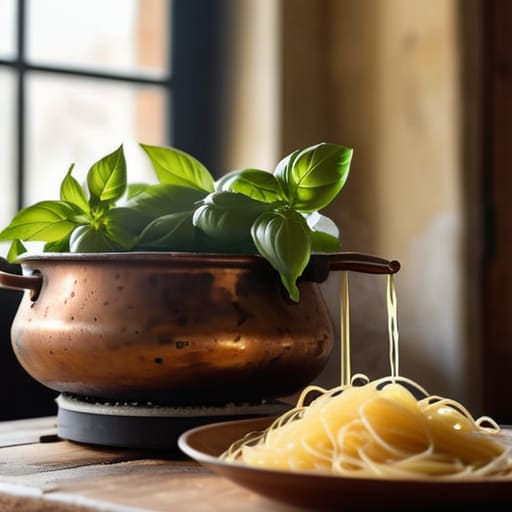
I still remember my first apartment in my early twenties, staring at a box of spaghetti like it was some kind of high-stakes engineering project. I’d spent twenty bucks on fancy, artisanal noodles that promised the world, only to end up with a gummy, overcooked mess that tasted more like wet cardboard than a real meal. It turns out, you don’t need a culinary degree or a kitchen full of expensive gadgets to master the basics; you just need to stop overthinking it. I spent way too many nights failing at how to cook pasta perfectly because I was following those ridiculous, complicated recipes that make a simple weeknight dinner feel like a chore.
Look, I’m not here to sell you on some gourmet lifestyle or tell you that you need imported olive oil to get this right. I’m going to give you the straightforward, no-nonsense truth based on years of trial, error, and a whole lot of salty water. I’ll break down the actual mechanics of the process so you can walk into your kitchen with total confidence. We’re going to strip away the fluff and focus on the simple, repeatable steps that ensure you nail that perfect al dente bite every single time.
Table of Contents
Mastering Boiling Water for Pasta and Salting It Right
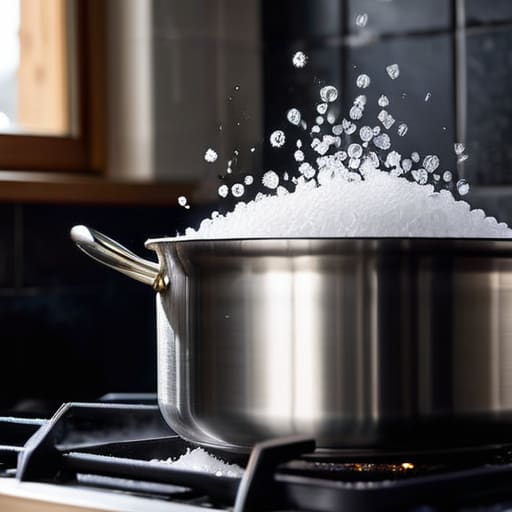
First things first: don’t go trying to boil pasta in a tiny saucepan. You need a big pot with enough room for the noodles to swim freely. If they’re crowded, they’ll stick together into one giant, gummy mess. Once you get that boiling water for pasta going at a steady, rolling boil, it’s time for the most important part: the salt. I know it sounds like a lot, but you want that water to taste like the sea. This is your only chance to season the actual noodle, not just the sauce sitting on top of it.
Don’t be shy with the shaker, either. Salting pasta water heavily is the secret to achieving al dente texture that actually tastes good. While you’re at it, keep an eye on those bubbles. If the heat is too low, the temperature drops when you dump the pasta in, and you’ll end up with a mushy disaster. Just keep it hot, keep it salty, and you’re already halfway to a meal you can be proud of.
Choosing Types of Pasta Shapes and Cooking Times
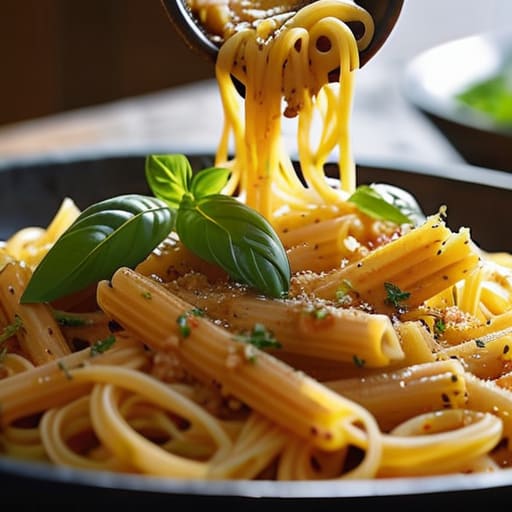
Now, let’s talk about the actual pasta you’re pulling off the shelf. I used to think a box of penne was just a box of penne, but I quickly learned that types of pasta shapes and cooking times actually matter a lot depending on what you’re making. If you’re tossing something with a heavy, chunky meat sauce, go for the big stuff like rigatoni—the ridges and hollow centers act like little scoops for the goodness. If you’re doing a light, oil-based sauce, stick to something thin like spaghetti or angel hair so you don’t end up with a heavy, clumpy mess in your bowl.
The biggest mistake I see people make is ignoring the clock. Every shape has its own sweet spot, and that window is smaller than you think. You’re aiming for achieving al dente texture, which is just a fancy way of saying the pasta should have a slight, satisfying bite in the middle rather than being mushy. Always start tasting a piece about two minutes before the box says it’ll be done. Trust your taste buds over the label every single time.
Five Pro Moves to Level Up Your Pasta Game
- Save a mug of that liquid gold. Before you drain the pot, scoop out a cup of the starchy pasta water. I use this as my secret weapon to loosen up sauces and help them cling to the noodles instead of just sliding off to the bottom of the bowl.
- Stop rinsing your pasta like it’s a dirty dish. I know it feels intuitive to wash away the starch, but that’s exactly what you need for a silky sauce. Unless you’re making a cold pasta salad, keep that starch right where it belongs—on the noodles.
- Don’t let the sauce wait for the pasta. Most people boil the noodles, drain them, and then start heating the sauce. By the time the sauce is ready, your pasta is a gummy mess. Get your sauce simmering and ready to go before the pasta even hits the water.
- The “finish in the pan” trick is a game changer. Instead of just dumping sauce on top of plain noodles, toss the pasta directly into the skillet with your sauce for the last minute of cooking. It lets the pasta soak up the flavor from the inside out.
- Trust your taste buds, not just the box. Package instructions are a decent starting point, but they aren’t law. Start testing your pasta a minute or two before the timer goes off. You want that slight “bite” in the middle—that’s the al dente magic that makes a meal feel professional.
Quick Wins for Your Next Pasta Night
Don’t trust the box blindly—start tasting your pasta a minute or two before the timer goes off so you can catch that perfect al dente bite.
Keep a little bit of that starchy pasta water in a mug before you drain the pot; it’s liquid gold for making your sauce stick to the noodles.
Give your pasta plenty of room to swim in a big pot of salted water so it doesn’t turn into a gummy, clumpy mess.
## The Golden Rule of the Pot
“Look, you don’t need a culinary degree to nail this; you just need to stop treating the pot like a science experiment and start treating it like a tool. Salt that water until it tastes like the ocean, keep your eyes on the clock, and trust your teeth more than the box instructions.”
Nathan Cole
You've Got This
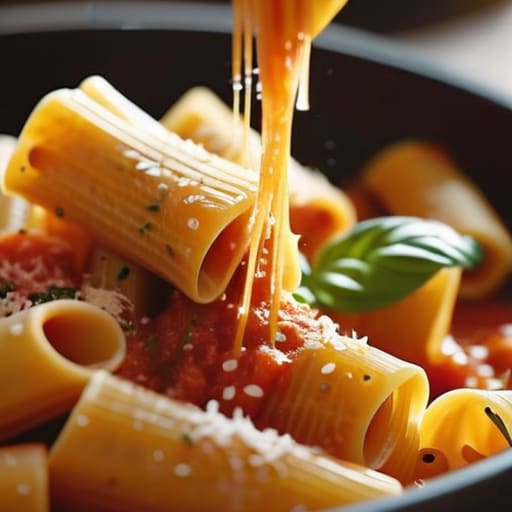
At the end of the day, nailing perfect pasta really comes down to a few simple habits. Remember to salt that water like the sea, pick a shape that actually holds onto your sauce, and—most importantly—keep a close eye on the clock. Don’t just rely on the box instructions; start tasting that pasta a minute or two early to find that sweet spot. Once you get the hang of checking for that perfect al dente bite, you’ll realize you don’t need a fancy culinary degree to make a killer meal. It’s all about those small, intentional tweaks that turn a basic box of noodles into something worth savoring.
Look, I know that sometimes standing over a steaming pot feels like just another chore on a long list, but there is something seriously rewarding about making something great with your own two hands. Cooking shouldn’t feel like a high-stakes exam; it should be a chance to unwind and create something delicious. So, don’t be afraid to make a few mistakes along the way—even I still overcook a batch of penne every once in a while. Just keep practicing, keep tasting, and remember that everything is figure-out-able. Now, grab a fork and go enjoy that meal!
Frequently Asked Questions
Is it actually worth saving a cup of that starchy pasta water, or is it just a kitchen myth?
Trust me, it’s definitely not a myth. I used to toss it down the drain without a second thought, but once I realized what it actually does, I never went back. That starchy water is basically liquid gold. When you swirl a splash into your sauce, it acts like a bridge, helping the sauce actually cling to the noodles instead of just sliding off to the bottom of the bowl. It’s a total game-changer.
Should I be tossing the pasta in sauce immediately, or is there a better way to make sure the flavors actually stick?
Don’t just dump that pasta into a bowl of sauce and call it a day. If you want that restaurant-quality cling, you’ve gotta marry them in the pan. Before you drain the noodles, scoop out a mug of that starchy pasta water. Toss your pasta directly into your sauce with a splash of that liquid gold and a knob of butter or a drizzle of oil. Give it a good toss over the heat; that starch acts like glue, making sure every single bite is coated perfectly.
What’s the best way to handle leftover pasta so it doesn't turn into a mushy mess the next day?
Don’t let your leftovers turn into a bowl of glue! The secret is to rinse that pasta under cold water immediately after draining to stop the cooking process and wash away excess starch. Once it’s cool, toss it with a tiny bit of olive oil so the pieces don’t stick together. When you’re ready to reheat, skip the microwave if you can—a quick sauté in a pan with a splash of water or sauce works wonders.