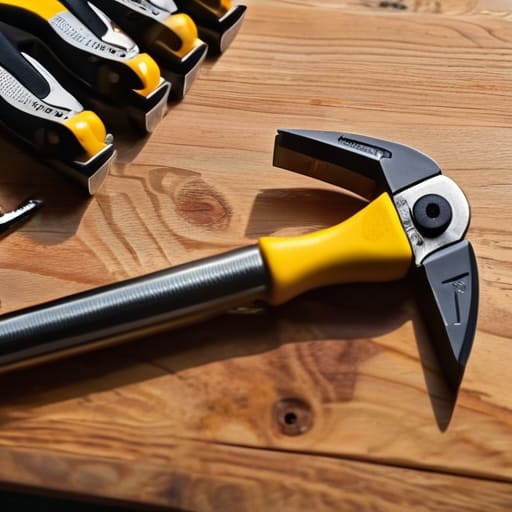
I still remember the first time I tried to fix a loose cabinet hinge in my first apartment. I’d spent way too much money on a massive, shiny tool kit I bought from a late-night infomercial, thinking it would make me a pro overnight. Half an hour later, I was sitting on the floor, surrounded by expensive gadgets I didn’t know how to use, staring at a stripped screw and a mounting sense of regret. The truth is, most of those “all-in-one” starter sets are a total rip-off. You don’t need a garage full of heavy machinery to tackle most home projects; you just need the right essential tools for diy that actually do what they’re supposed to do.
Look, I’m not here to sell you on some overpriced, professional-grade power tool that you’ll only use once a year. My goal is to cut through the noise and give you a straightforward list of the gear that actually matters. I’ve spent years breaking things and putting them back together, so I know exactly what’s worth your hard-earned cash and what’s just clutter. I promise to give you a no-nonsense guide to building a kit that works, so you can stop stressing and start fixing.
Table of Contents
Building Your First Home Improvement Starter Kit
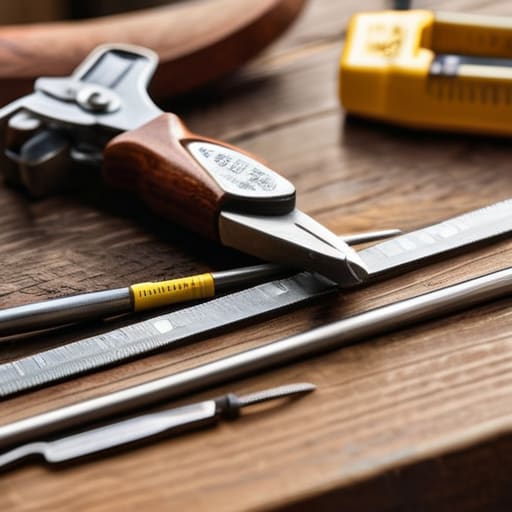
Look, I get it. Walking into a massive hardware store can feel like being dropped into a foreign country where you don’t speak the language. You see aisles upon aisles of shiny stuff, and suddenly you’re wondering if you need a $500 specialized driver just to hang a picture frame. You don’t. When you’re putting together your first home improvement starter kit, the goal isn’t to own everything; it’s to own the right things. I always tell people to start with a solid set of hand tools for beginners—think a reliable hammer, a multi-bit screwdriver, a tape measure that actually stays straight, and a good pair of pliers. These are your bread and butter.
Once you’ve got the basics down, you can start looking at the bigger stuff. You don’t need a garage full of heavy machinery to be a capable DIYer. In fact, I’d suggest picking up just one or two pieces of power tools for home maintenance to get the ball rolling, like a decent cordless drill. That one tool alone will tackle about 70% of the projects you’ll run into. Keep it simple and keep it functional.
Hand Tools for Beginners That Solve Real Problems
Once you’ve got your basic kit together, it’s time to talk about the stuff you’ll actually be holding in your hands. When I first started out, I thought I needed a massive chest of expensive gear, but I quickly learned that a few solid hand tools for beginners can solve about 90% of the headaches you’ll run into. I’m talking about a decent set of screwdrivers with different heads, a multi-bit driver, and a solid hammer that doesn’t feel like it’s going to snap in half. You don’t need a professional-grade arsenal; you just need stuff that actually works when you’re halfway through a project and realize you’re missing a Phillips head.
Don’t overlook the smaller stuff, either. A high-quality tape measure and a sturdy utility knife are absolute lifesavers. I’ve lost count of how many times I’ve had to measure a space twice—or three times—before finally cutting a piece of trim or a shelf. If you’re building a diy project tool checklist, make sure these are at the top. They aren’t flashy, but they are the backbone of every successful fix.
Five Pro-Tips to Save You Time (and a Trip Back to the Hardware Store)
- Don’t buy the “everything” kits. Those massive, cheap toolsets usually come with twenty mediocre wrenches and zero things you actually need. I’ve learned it’s way better to buy one high-quality hammer or screwdriver than a bucket of junk that breaks the first time you hit a stubborn nail.
- Shop your own house first. Before you head out to the store, check your junk drawer or that random box in the garage. You might already have a tape measure or a pair of pliers hiding in there, and that’s money you can put toward something better later.
- Invest in a decent measuring tape. Seriously. I once tried to eyeball a shelf project and ended up with a piece of wood that was an inch too short. It was a total headache. A solid, locking tape measure is one of those things you’ll use every single week.
- Learn the difference between “cheap” and “value.” A $5 screwdriver is fine for a one-off task, but if you’re going to be doing DIY regularly, spend the extra few bucks for a brand that feels solid in your hand. Your knuckles will thank you when you aren’t fighting a stripped screw.
- Always keep a small “project bin” ready. I keep a little plastic organizer with extra screws, some electrical tape, and a few washers. There is nothing more frustrating than being halfway through a fix only to realize you’re missing one tiny, two-cent piece of hardware.
The Bottom Line: Start Small and Keep Moving
Don’t go out and buy the entire aisle at the hardware store on day one; just grab what you need for the specific job in front of you, and your toolkit will grow naturally as you do.
Quality beats quantity every single time—I’d much rather own one solid, reliable hammer that won’t break in my hand than a cheap, flimsy set of twenty that makes the job harder.
Most importantly, don’t let the fear of making a mistake stop you from starting; even if you mess up a measurement, you’ve learned more than you ever would have by just reading about it.
The Real Secret to DIY
“You don’t need a garage full of expensive, shiny gadgets to get the job done; you just need a handful of reliable tools that actually work and the confidence to know that if you mess up, you can always try again.”
Nathan Cole
Getting Out There and Doing It
Look, I know it feels like you need a garage full of heavy-duty machinery to actually get anything done, but that’s just not true. We’ve covered the basics—from that reliable hammer and a solid set of screwdrivers to the power tools that actually make life easier. You don’t need to go out and drop a thousand dollars at the hardware store today. The goal isn’t to own every gadget on the shelf; it’s about having the right foundation so that when something breaks, you aren’t staring at it helplessly. Start with the essentials we talked about, and I promise you’ll find that most small repairs are way more manageable once you have the right tool in your hand.
At the end of the day, the most important tool in your kit isn’t something you buy at a shop—it’s your own willingness to try. There’s going to be a moment where you strip a screw or hit a nail a little crooked, and honestly? That’s part of the process. I’ve spent plenty of afternoons swearing at a stubborn bolt, but that feeling of satisfaction when you finally tighten it down is unbeatable. Don’t let the fear of making a mistake keep you from starting. Just grab your gear, take it one step at a time, and trust yourself to figure it out. You’ve got this.
Frequently Asked Questions
Do I really need to buy the expensive professional brands right away, or can I get by with the cheaper stuff from a big-box store?
Look, I get it. Those professional-grade tools look shiny and impressive, but your wallet doesn’t need to take a hit just yet. For most of the stuff you’ll be doing—hanging shelves or tightening a loose cabinet handle—the big-box store brands work just fine. My rule of thumb? Buy the cheaper stuff for things you’ll use once in a while, but when you find a tool you actually love using, that’s when you invest in the pro version.
If I'm tight on cash, which one tool should I prioritize buying first to make sure I can actually tackle my first project?
If you’re staring at a tight budget and wondering where to drop your first twenty or thirty bucks, go with a decent cordless drill. I know, it sounds basic, but a drill is a total game-changer. It’s not just for making holes; it’s for driving screws into furniture, hanging shelves, or fixing a loose deck board. Most DIY projects stall because you can’t get things fastened securely, and a drill solves that instantly.
Is it better to invest in a cordless drill set now, or should I stick to manual tools until I know what kind of projects I'm actually going to be doing?
Look, I get the hesitation. You don’t want to drop a hundred bucks on a drill that just sits in the garage gathering dust. But honestly? If you’ve got even one project on the horizon—hanging a shelf, assembling flat-pack furniture, or fixing a loose deck board—get the cordless drill. Manual screwdrivers are great, but they’re a massive pain for anything more than a few screws. Save your wrists and your time; just grab a decent mid-range kit.