
I used to think a proper evening routine required a $50 candle, a specialized silk sleep mask, and some kind of high-end meditation app that costs more than my monthly grocery budget. Honestly, looking back at those “lifestyle guru” videos felt like watching a professional contractor tell you that you need a $10,000 CNC machine just to build a birdhouse. It’s all a bit much, and frankly, it’s exhausting. Most of that stuff is just expensive fluff designed to make you feel like you’re doing something wrong if you aren’t living in a spa.
Here’s the deal: I’m not here to sell you on a lifestyle overhaul that takes three hours and leaves you feeling more stressed than when you started. I’ve spent years figuring out how to keep my life from falling apart between DIY projects and a full-time job, and I’ve learned that a real evening routine is just about lowering the friction for tomorrow. I’m going to show you a few simple, practical steps that actually work for regular people—no fancy gadgets or expensive rituals required. We’re going to keep this simple and doable so you can actually get some rest.
Table of Contents
Mastering Digital Detox Before Bed to Quiet the Noise

Look, I get it. I’ve spent more nights than I’d like to admit scrolling through endless tech forums or watching random DIY videos at 11:00 PM, thinking I was “relaxing.” In reality, my brain was just revving higher and higher. The blue light from your phone is basically a shot of espresso for your eyeballs, making it nearly impossible to actually drift off. If you want to start improving sleep quality, you’ve got to put the gadgets down at least thirty minutes before you hit the pillow.
I started implementing a simple digital detox before bed, and it changed everything. Instead of reaching for the charger, I grab a physical book or even just sit there and listen to some low-key music. It’s about creating a buffer zone between the chaos of the day and your actual rest. Try setting a “tech curfew” on your phone—once that alarm goes off, the screen stays dark. It might feel a little weird at first, but once you settle into those calming bedtime rituals, you’ll realize how much quieter your head can actually get.
Easy Pre Sleep Relaxation Techniques for a Calm Mind
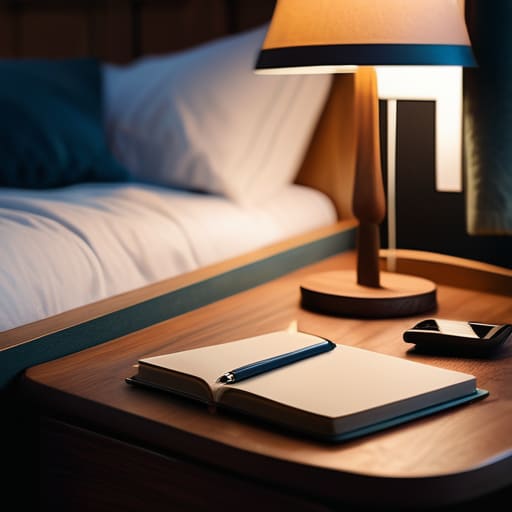
Once you’ve put the phone away, you might find your brain still running at a hundred miles an hour, replaying every awkward thing you said at lunch or worrying about tomorrow’s to-do list. That’s where some simple pre-sleep relaxation techniques come in to act as a buffer. You don’t need to sit cross-legged on a meditation cushion for an hour; just try a basic “brain dump.” Grab a physical notebook and spend five minutes scribbling down everything on your mind. Once it’s on paper, your brain feels like it has permission to let go of the mental heavy lifting.
If your body feels physically wound up, I’m a big fan of progressive muscle relaxation. It sounds fancy, but it’s basically just tensing and then releasing each muscle group, starting from your toes and working up to your jaw. It’s one of those surprisingly effective sleep hygiene tips that helps you actually feel the difference between tension and rest. Pairing this with some light stretching or even just a few deep, slow breaths can signal to your nervous system that the workday is officially over and it’s safe to shut down.
Five Small Wins to Set You Up for a Better Tomorrow
- Prep your “launchpad” for the morning. I’m talking about laying out your clothes, packing your bag, or even just setting the coffee maker. If you do these tiny things tonight, you won’t be scrambling like a madman when the alarm goes off tomorrow.
- Do a quick “kitchen reset.” You don’t need to deep-clean the whole house, but clearing the sink and wiping down the counters makes a massive difference. Waking up to a clean kitchen feels like a gift you gave to your future self.
- Write down your top three tasks for tomorrow. My brain tends to loop through everything I haven’t done yet right when I’m trying to sleep. Getting those thoughts out of your head and onto a piece of paper lets your mind finally clock out.
- Set a “wind-down” alarm. Most of us just drift into the night, but I like setting an alarm for 30 minutes before I actually want to be in bed. It’s my signal to stop whatever I’m doing—whether it’s a project or a show—and start shifting gears.
- Dim the lights. It sounds almost too simple, but turning off the bright overheads and switching to a lamp tells your body it’s actually time to rest. It’s a low-effort way to start signaling to your brain that the workday is officially over.
The Bottom Line: Keeping It Simple
Don’t try to overhaul your entire life in one night; just pick one or two small changes that actually feel doable.
Focus on calming your brain and body before you hit the pillow so you aren’t just crashing from exhaustion.
Consistency beats perfection every single time—even if you miss a night, just get back to it tomorrow.
## The Big Picture
“Think of your evening routine less like a strict set of rules and more like prepping your workshop for the next day; if you clear the clutter and set your tools out tonight, you won’t spend all tomorrow morning tripping over the mess.”
Nathan Cole
Getting It Done (And Keeping It Done)

Look, I know that trying to overhaul your entire life in one night sounds like a massive, exhausting project, but that’s not what we’re doing here. We’ve talked about shutting down the digital noise so your brain can actually breathe, and finding those small, easy ways to unwind that don’t feel like another chore on your to-do list. The goal isn’t to be perfect or to follow some high-maintenance, influencer-style schedule that requires a degree to maintain. It’s just about building a little bit of momentum by picking one or two of these steps and seeing how they feel. If you nail the digital detox but skip the relaxation stuff, that’s still a huge win compared to where you started.
At the end of the day, your evening routine is just a tool in your kit, much like a good adjustable wrench or a reliable chef’s knife. You don’t need to master the whole set overnight; you just need to know how to use it when things get messy. Don’t sweat it if you have a bad night where you end up scrolling through your phone until midnight—just reset and try again tomorrow. Most things in life, including a better night’s sleep, are completely figure-out-able if you just take them one small step at a time. You’ve got this.
Frequently Asked Questions
What if I’m a total night owl and my brain just won't shut off when I try to wind down?
Look, I get it. I’m the same way; some nights my brain feels like a browser with fifty tabs open and I can’t find which one is playing the music. If you’re a night owl, don’t fight your biology, just manage the momentum. Try a “brain dump”—literally grab a notepad and scribble down every nagging thought or tomorrow’s to-do list. Once it’s on paper, your brain finally feels like it has permission to let go.
Do I really need to spend an hour on this, or can I make it work with just fifteen minutes?
Look, I get it. Sometimes life hits you hard and the last thing you want to do is a sixty-minute ritual. Honestly? You don’t need an hour. If you’ve only got fifteen minutes, use them. Spend five minutes tidying your workspace, five minutes dimming the lights, and five minutes just breathing or stretching. It’s not about the clock; it’s about the intention. Small wins count just as much as the big ones.
How do I stick to a routine when my work schedule or family life keeps changing every day?
Look, I get it. Life isn’t a steady assembly line; it’s more like trying to fix a sink while people are throwing wrenches at you. When your schedule is a moving target, stop trying to stick to a rigid clock. Instead, build “modular” routines. Instead of “I do this at 8 PM,” think “Once the kids are down, I do these three things.” It’s about the sequence, not the timestamp. Focus on the order, and you’ll find your rhythm no matter what the day throws at you.