I’ve spent way too many nights staring into a fridge full of Tupperware, feeling like I was looking at a graveyard of wasted money rather than a meal. There’s this annoying myth floating around that you need some fancy culinary degree or a kitchen full of expensive gadgets to master how to use leftovers effectively. Honestly? That’s total nonsense. I used to think that if I wasn’t making some elaborate, gourmet “reconstructed” dish, I was failing, but I eventually realized that most of those high-end cooking shows are just overcomplicating things for the sake of drama.
I’m not here to give you any of that fluff. My goal is to show you that you can turn last night’s boring roasted chicken or that half-bag of wilted spinach into a solid, filling meal without spending an extra dime or an hour of your life. I’m going to break this down into simple, repeatable moves that actually work in a real kitchen. We’re going to stop treating old food like a chore and start treating it like the secret weapon it actually is for your budget and your schedule.
Table of Contents
Smart Food Waste Reduction Tips for Every Kitchen
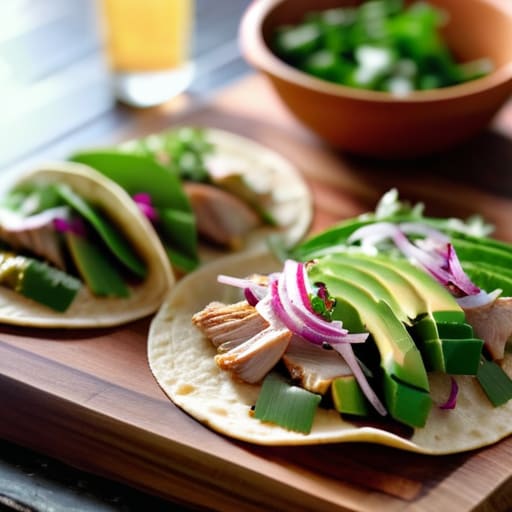
Look, I’ve spent plenty of nights staring into a fridge full of random containers, wondering if I’m actually looking at dinner or just a science project. The trick isn’t just about throwing things in a Tupperware; it’s about having a game plan for repurposing cooked proteins. If you’ve got leftover steak or roasted chicken, don’t just reheat it until it’s dry as a desert. Instead, shred it for tacos or toss it into a quick stir-fry. It’s one of those creative kitchen hacks that saves you twenty minutes of prep time the next day.
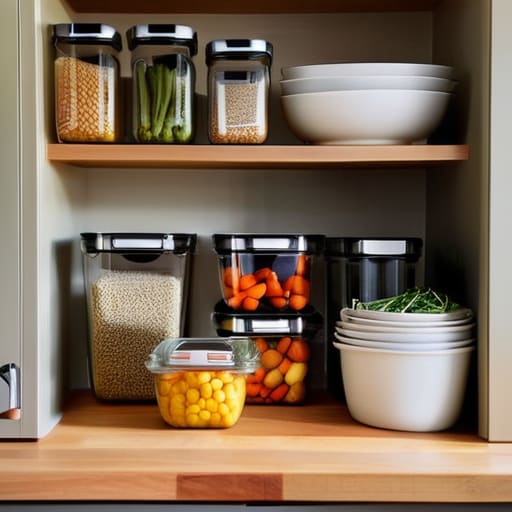
Another thing I’ve learned from years of trial and error is that organization is half the battle. If you aren’t storing leftovers safely in airtight containers right away, you’re basically asking for them to go bad by Tuesday. I like to keep a “Use Me First” bin in the fridge for anything that’s nearing its expiration. This simple habit is one of my favorite food waste reduction tips because it takes the guesswork out of your morning routine. When you see that container front and center, you know exactly what’s for lunch.
Storing Leftovers Safely to Keep Everything Fresh
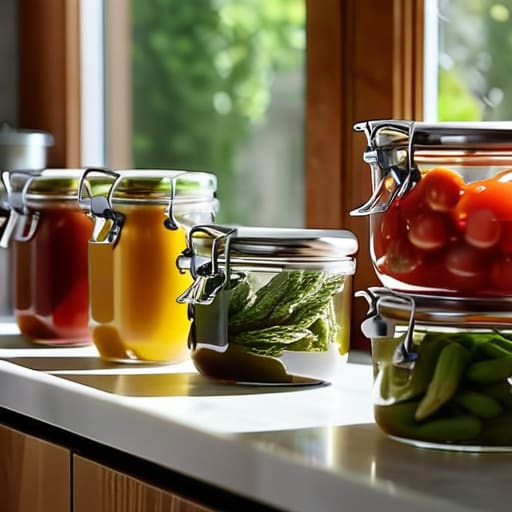
Look, I’ve learned the hard way that if you don’t treat your leftovers right from the jump, you’re basically just prepping them for the trash can. I used to just shove whatever was left in a mismatched plastic tub and hope for the best, but that’s a recipe for soggy, sad meals. If you want to master storing leftovers safely, you’ve got to get a little more strategic. Invest in a few decent, airtight glass containers. They don’t hold onto smells like plastic does, and they keep things way fresher when you’re ready to dive back in.
Once you’ve got the storage part down, the real magic happens when you start repurposing cooked proteins. Instead of just reheating that same piece of chicken for the third time, treat it like a building block. A piece of steak becomes the star of a quick steak salad, or some roasted veggies can be tossed into a morning omelet. Think of your fridge as a pantry of ingredients rather than just a collection of “old food.” It’s one of those simple creative kitchen hacks that makes your life a whole lot easier during a busy work week.
5 Ways to Turn "Old" Food Into a Brand New Meal
- Embrace the “Bowl Method.” If you’ve got a random assortment of leftovers—maybe some roasted veggies, a bit of leftover rice, and some grilled chicken—don’t try to recreate the original dish. Just throw them all into a bowl, top them with a fried egg or some hot sauce, and call it a “power bowl.” It’s fast, healthy, and saves you from staring blankly at the fridge.
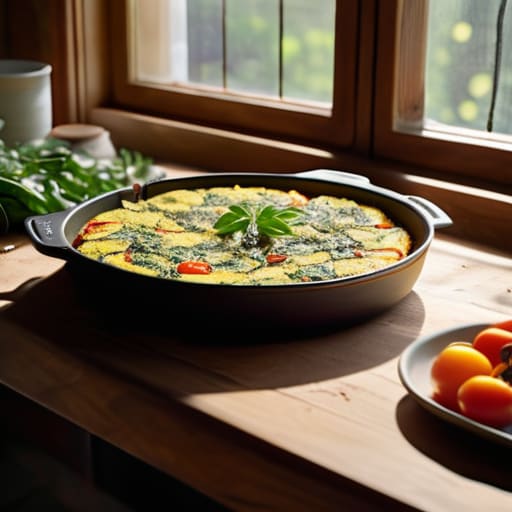
- Master the Art of the Frittata. This is my absolute favorite trick for when the fridge looks a little sad. Grab whatever leftover veggies, meats, or even that half-bag of spinach, toss them in a pan with some whisked eggs, and cook it up. It’s basically a way to turn “scraps” into a fancy-looking brunch that feels intentional rather than accidental.
- Build a “Kitchen Sink” Soup. When you have small amounts of different things left over—a little bit of broth, some wilted greens, or a few chunks of sausage—they are perfect for a soup. Chop everything into bite-sized pieces, simmer it in a pot, and you’ve got a warm, comforting meal that costs you zero extra dollars.
- Use Leftovers as “Flavor Boosters.” You don’t always need a full plate of leftovers to make a meal better. That extra bit of cooked quinoa can be tossed into a salad for texture, or a small amount of leftover taco meat can be folded into some scrambled eggs in the morning. Think of your leftovers as ingredients rather than just “old food.”
- The Sandwich Upgrade. Stop settling for boring peanut butter and jelly. If you have leftover roasted turkey, pulled pork, or even just some sautéed mushrooms, put them between two slices of good bread with a bit of cheese. It turns a quick lunch into something that actually feels like a real meal, and it beats hitting the drive-thru every single day.
The Bottom Line: Making Leftovers Work for You
Stop treating leftovers like a chore; view them as a head start on your next meal so you can spend less time cooking and more time relaxing.
Invest in a few decent, airtight containers—it’s a small upfront cost that pays for itself by keeping your food from turning into science experiments in the fridge.
Get creative with your “repurposing” instead of just reheating; a little bit of spice or a different texture can make last night’s roast feel like a brand-new dish.
## The Golden Rule of the Fridge
“Leftovers aren’t just ‘old food’ waiting for their expiration date; they’re actually prepped ingredients for your next meal. If you stop looking at them as leftovers and start seeing them as a head start, you’ll save a ton of money and a lot of time in the kitchen.”
Nathan Cole
Making It Work for You
At the end of the day, mastering your leftovers is really just about a little bit of foresight and some smart organization. We’ve covered how to keep your food fresh with proper storage, how to slash your grocery bill by reducing waste, and a few ways to get creative so you aren’t just eating the same bland meal three nights in a row. It’s not about being a gourmet chef; it’s about working smarter, not harder in the kitchen. When you treat those extra portions as ingredients for your next meal rather than just “old food,” you’re saving time, money, and a whole lot of mental energy during those busy weeknights when you’d otherwise be staring blankly at the fridge.
I know it can feel a bit overwhelming when you first start trying to change your kitchen habits, but don’t feel like you have to overhaul everything overnight. Start small—maybe just by repurposing one single protein or committing to better container storage. I promise you, once you see that extra bit of roasted chicken turn into a killer taco night, you’ll feel that little win. Most things in life are just a matter of breaking them down into manageable steps, and your kitchen is no different. So, go ahead, dive into those containers, and show that leftovers who’s boss!
Frequently Asked Questions
How long can I actually keep these leftovers in the fridge before they become a science project?
Look, I’ve definitely been there—staring at a Tupperware container in the back of the fridge like it’s a ticking time bomb. As a rule of thumb, most cooked leftovers are good for about three to four days. After that, you’re playing Russian roulette with your stomach. If it smells funky, looks slimy, or has even a hint of fuzz, don’t risk it. Just toss it. It’s not worth the gamble.
Is it safe to reheat the same meal more than once, or am I playing with fire?
Look, I get it—you’re hungry and that lasagna looks amazing. But here’s the deal: try to avoid the “reheat loop.” Every time you heat food up and then let it cool back down, you’re playing a dangerous game with bacteria. It’s much safer to scoop out only what you need and reheat just that portion. If you absolutely have to reheat the whole batch, make sure it hits 165°F all the way through.
What’s the best way to revive soggy or stale leftovers so they don't taste like cardboard?
We’ve all been there—you pull a slice of pizza or some fries out of the fridge, and they’ve turned into sad, chewy cardboard. To fix this, ditch the microwave; it just makes things soggier. For crispy stuff like pizza or fried chicken, hit it with a dry skillet on medium heat or use an air fryer. If you’re dealing with stale bread, a quick spritz of water before a few minutes in a hot oven works wonders.