I remember sitting in my first studio apartment back in my early twenties, staring at a receipt that looked more like a phone number than a grocery bill. I was exhausted from working odd jobs, and the idea of figuring out how to cook on a budget felt like another massive project I didn’t have the tools for. I used to think that eating well meant buying those fancy organic pre-cut veggies or spending a fortune on “specialty” ingredients that just sat in my pantry gathering dust. Honestly, most of the advice you see online makes it sound like you need a culinary degree and a massive time commitment just to avoid eating instant noodles for the third night in a row.
But here’s the thing: most of that stuff is just noise. I’ve spent years tinkering in my kitchen and learning through trial and error, and I’ve realized that feeding yourself well is actually a lot like fixing a leaky faucet—it’s just about having the right approach. In this guide, I’m going to skip the fluff and give you the straight-up, practical steps I use to keep my meals delicious without draining my bank account. We’re going to focus on simple swaps and smart habits that actually work in the real world.
Table of Contents
Smart Meal Planning for Beginners to Stop the Stress
Look, I used to be the guy who would walk into a grocery store without a plan, grab whatever looked good, and then stare blankly at the fridge on Tuesday night wondering what to make. That’s a one-way ticket to expensive takeout or, even worse, letting a bag of wilted spinach die in the crisper drawer. If you want to actually see your savings grow, you’ve got to get comfortable with meal planning for beginners. It isn’t about being a gourmet chef or spending hours in the kitchen; it’s just about making a roadmap before you ever step foot in the store.
The trick is to start small. Instead of trying to plan twenty-one different meals, just pick three or four solid dinners you know you’ll actually eat. Once you have those, you can build an affordable grocery list ideas around them, focusing on low cost pantry staples like rice, beans, and pasta. When you know exactly what you’re looking for, you stop impulse-buying those pricey snacks that blow your budget. It takes a little bit of brainpower upfront, but the peace of mind is worth every second.
Building Your Low Cost Pantry Staples Foundation
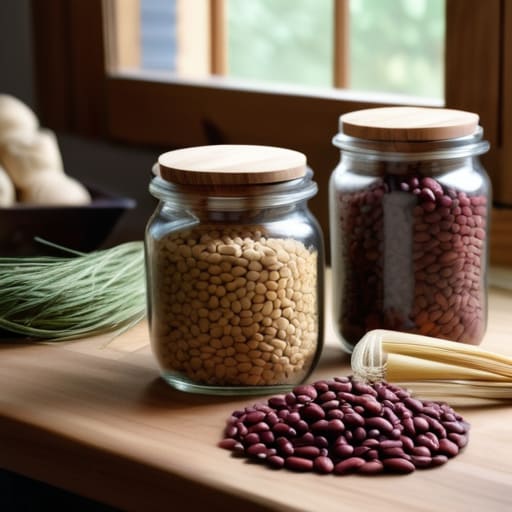
Once you’ve got your meal plan sketched out, the next step is to stop treating your kitchen like a high-end boutique and start treating it like a workshop. You need a solid base of materials that won’t expire the moment you look away. I’m talking about low cost pantry staples like dried beans, lentils, rice, oats, and pasta. These are the “lumber” of the cooking world—they aren’t flashy, but they provide the structure for almost every meal. If you keep these on hand, you’ll never find yourself staring blankly at an empty fridge at 6:00 PM, wondering what to do.
When I’m grocery shopping on a budget, I try to avoid the “middle aisles” filled with expensive, pre-packaged snacks and instead focus on these versatile basics. Spices and oils are your finishing touches; they’re what turn a plain bowl of rice and beans into something that actually tastes like a real meal. By investing a little bit of money upfront in these shelf-stable essentials, you’re essentially building a safety net that makes every future meal much cheaper and a whole lot faster to whip up.
5 Pro-Tips to Keep Your Grocery Bill From Spiraling
- Master the art of the “Meatless Monday” (or any day, really). Meat is usually the biggest chunk of the grocery bill, so swapping a steak for a hearty lentil stew or a black bean taco night once or twice a week can save you a ton of cash without leaving you hungry.
- Stop buying pre-cut stuff. I know, it’s tempting to grab the pre-chopped onions or the bagged salad when you’re tired, but you’re paying a massive premium for someone else to use a knife. Buy the whole head of lettuce and the bag of onions; it takes five extra minutes of prep, but it keeps more money in your pocket.
- Shop your own kitchen first. Before you head out to the store, take a good look in your pantry and freezer. I’ve saved so many dinners just by realizing I already had a box of pasta and a jar of marinara hiding in the back. If you know what you already have, you won’t buy duplicates.
- Embrace the frozen aisle. People think frozen veggies are “lesser,” but they’re actually a budget lifesaver. They’re picked at peak ripeness, they won’t rot in your crisper drawer if you forget about them for a week, and they’re way cheaper than the fresh stuff out of season.
- Learn to love “Leftover Makeovers.” Don’t just eat the same boring leftovers the next day. Turn last night’s roasted chicken into a chicken salad sandwich, or toss those leftover veggies into an omelet for breakfast. It turns “scraps” into a brand-new meal and keeps your food waste—and your spending—at zero.
The Bottom Line: Keeping Your Kitchen Budget-Friendly
Stop treating every meal like a new project; when you lean on those pantry staples you’ve already built up, you save money and a whole lot of mental energy.
Planning isn’t about being perfect or following a rigid, boring schedule—it’s just about having a rough roadmap so you aren’t making expensive, last-minute decisions when you’re hungry.
Remember that most of the “expensive” parts of cooking are the extras; if you master the basics and swap out the pricey stuff for smart alternatives, you’ll eat better for way less.
My Philosophy on the Kitchen Budget
“Eating well doesn’t require a gourmet grocery budget; it just requires a little bit of strategy and the willingness to trade fancy packaging for smart, simple ingredients you can actually work with.”
Nathan Cole
Putting It All Into Practice
At the end of the day, cooking on a budget isn’t about deprivation or eating bland, sad meals; it’s about being a little more intentional with how you shop and prep. We’ve talked about how much easier life gets when you have a solid meal plan to guide you and a pantry stocked with those versatile, low-cost staples that can turn into a dozen different dishes. When you stop making impulse buys at the grocery store and start leaning on the ingredients you already have, you’ll see those savings start to pile up. It’s really just a series of small, smart adjustments that eventually turn into a much more sustainable way of living.
I know it can feel a bit daunting when you’re staring at a receipt that’s way higher than you wanted it to be, but please don’t get discouraged if you don’t get it perfect right away. I’ve definitely had weeks where my “plan” went totally out the window, and that’s okay. The goal isn’t perfection; it’s just about making things a little more figure-out-able one meal at a time. Just grab your grocery list, keep it simple, and remember that you’ve totally got this. Once you get into the rhythm of it, you’ll realize that taking control of your kitchen is one of the best ways to take control of your life.
Frequently Asked Questions
How do I keep my food from going bad if I'm buying in bulk to save money?
The “Bulk Buy Trap” is real—you save five bucks today only to toss twenty bucks of spoiled spinach next week. My rule of thumb? Buy for the freezer, not the fridge. If you’re grabbing a massive bag of rice or frozen veggies, make sure you have airtight containers or heavy-duty freezer bags ready. For things like meat, portion them out before they freeze so you aren’t thawing a whole slab for one taco night.
What are some cheap ways to add flavor to basic pantry staples so I don't get bored eating the same thing?
Look, I get it. Eating beans and rice every night can feel like a chore if everything tastes the same. The secret isn’t expensive gourmet ingredients; it’s all about the “flavor trifecta”: acid, heat, and aromatics. A squeeze of lime or a splash of vinegar wakes up a dull stew, while some decent chili flakes or even just toasted garlic adds that punch. Grab a few cheap spices—cumin, smoked paprika, or dried oregano—and suddenly, that basic pantry meal feels like a real dish.
Is it actually cheaper to meal prep everything on Sunday, or am I just spending more on groceries upfront?
That’s a great question, and honestly, I used to wrestle with it too. Here’s the deal: meal prepping on Sunday usually costs more that specific day because you’re buying in bulk to stock the fridge. But if you look at the weekly total, you’ll almost always come out ahead. It stops those “I’m too tired to cook” $25 takeout orders from creeping in. Think of it as an upfront investment to save your wallet later.