I remember standing in my dad’s garage years ago, staring at a massive slab of oak and feeling completely paralyzed. I wanted to build something, but the sheer amount of specialized tools and the fear of ruining expensive lumber kept me stuck in the “just looking” phase. Most people think you need a workshop the size of a small warehouse and a degree in engineering to get started, but that’s just not true. The truth is, getting stuck in analysis paralysis is the biggest dream-killer when you’re hunting for beginner woodworking projects that actually make sense for a real person with a busy life.
I’ve spent a lot of time making mistakes so you don’t have to, and I’ve learned that the best way to grow is to start small and win early. In this guide, I’m breaking down five specific projects that are totally doable even if you only have a basic drill and a hand saw. We aren’t building heirloom dining tables here; we’re focusing on high-impact, simple builds that will give you that immediate sense of “I actually made this.” By the end of this list, you’ll have a clear roadmap to move from observer to maker.
Table of Contents
The Classic Raised Garden Bed
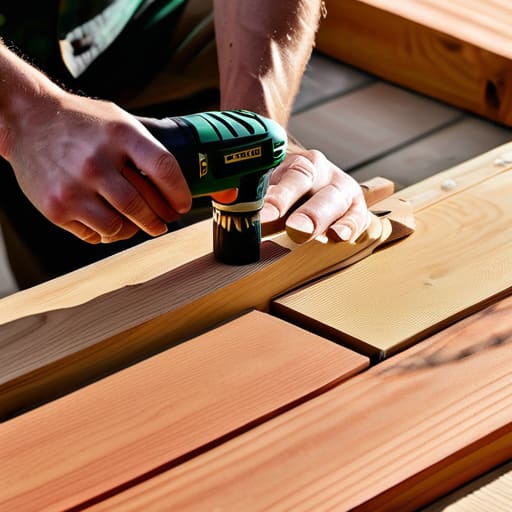
If you want to get your hands dirty right away, nothing beats a simple raised garden bed. You aren’t looking to build a Victorian gazebo here; you just need some sturdy cedar or redwood boards and a handful of screws. I usually grab a few long planks from the hardware store, cut them to length, and screw them together to form a basic rectangle. It’s the perfect way to learn how to keep your lines straight and make sure your corners aren’t wobbling like a jelly mold.
A Minimalist Floating Shelf
We’ve all seen those high-end, expensive floating shelves in design magazines, and they look intimidating as heck. But honestly? Most of them are just a clever way of hiding a support bracket. For your first go, I recommend starting with a thick piece of pine or even some reclaimed pallet wood if you’re feeling adventurous. You’re essentially just learning how to mount something securely to a wall, which is a skill you’ll use for the rest of your life.
The Ultimate Rustic Serving Tray
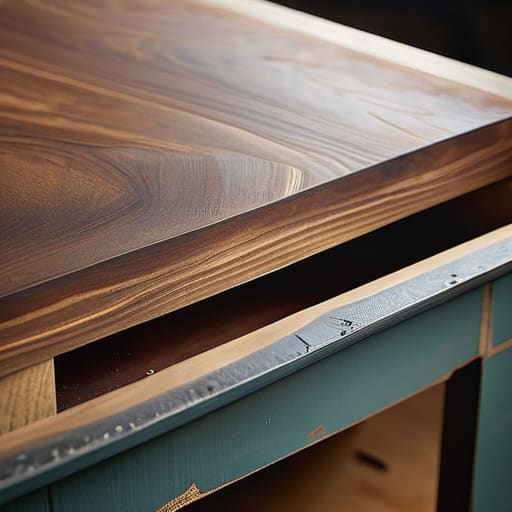
This is one of my favorite projects because it’s basically an excuse to play around with different textures and finishes. All you really need is a flat piece of plywood or a nice slab of hardwood, some sandpaper, and two simple handles from the hardware store aisle. I love using old metal cabinet pulls to give it a bit of a “found object” look. It’s a low-stakes way to practice your sanding technique, which is honestly the secret sauce to making anything look professional.
A Simple Birdhouse
I used to think birdhouses were just for kids’ craft projects, but they are actually a fantastic way to practice your angled cuts. To make a decent one, you have to figure out how to join the walls so the roof sits just right to shed rain. It’s a bit of a puzzle, but it’s a manageable challenge that teaches you how to read a tape measure with precision. Plus, it’s a great way to use up those little scraps of wood left over from other projects.
The Sturdy Step Stool
Every house needs a step stool, whether it’s for reaching the top shelf in the pantry or helping a kid get to the sink. This project is all about strength and stability. You’ll be working with thicker pieces of lumber, which means you get to practice making square, sturdy joints that won’t creak when someone puts their weight on them. It’s a bit more “heavy duty” than a shelf, but it’s incredibly rewarding to build something that feels rock-solid.
The Bottom Line
Don’t wait until you have a professional-grade workshop to start; grab a basic drill and a saw, and just start making something.
Focus on finishing small, simple projects first to build your confidence before you tackle anything that requires fancy joinery.
Mistakes are going to happen—you’ll cut a board too short or miss a screw—but that’s just part of the learning process, so don’t sweat it.
## The Secret to Getting Started
“Look, your first few projects are probably going to have a few wonky edges or a screw that’s a little crooked, and that’s totally fine. The goal isn’t to build a museum piece on day one; it’s to get comfortable with the tools so that the next time you pick them up, you aren’t second-guessing yourself.”
Nathan Cole
Don't Be Afraid to Make Some Sawdust
Look, I know it can feel a little overwhelming when you’re staring at a pile of raw lumber and a set of tools you’re still getting used to. But whether you decided to tackle that simple floating shelf, a rustic planter box, or a basic cutting board, you’ve already done the hardest part: you actually started. The key to getting better isn’t having a shop that looks like a professional studio; it’s about mastering the basics of measuring twice and cutting once, learning how to sand until things feel smooth, and understanding how your specific tools behave. Each of these five projects is just a stepping stone to help you build that muscle memory you need for the bigger, more complex stuff down the road.
At the end of the day, woodworking isn’t about achieving some impossible level of perfection on your very first try. Honestly, if your joints aren’t perfectly seamless or your edges are a little wonky, don’t sweat it—just sand it down or call it “character.” The real win is that you made something with your own two hands that wasn’t there yesterday. So, keep that shop vac handy, keep your eyes on the grain, and most importantly, just keep building. You’ll be surprised at how quickly you go from “I hope I don’t mess this up” to “Check out what I just made.”
Frequently Asked Questions
Do I really need a full workshop to start, or can I get away with just a few basic hand tools?
Look, I’ll let you in on a secret: I’ve built some of my favorite pieces with nothing but a hand saw, a hammer, and a screwdriver. You absolutely do not need a garage full of expensive power tools to get started. In fact, starting small helps you learn the fundamentals without breaking the bank. Grab a decent tape measure and a few basic hand tools, and just start building. You can always upgrade later.
What kind of wood should I buy first so I don't waste a ton of money on expensive lumber?
Look, don’t go dropping hundreds on walnut or cherry just yet. You’re going to make mistakes—I definitely did—so treat your first few projects like practice runs. Grab some pine or even some construction-grade fir from the big-box store. It’s cheap, it’s everywhere, and it’s much more forgiving when you inevitably miscut a board. Save the fancy stuff for when you actually know how to use your saw without sweating.
How do I make sure my cuts are actually straight without owning a massive table saw?
Look, I used to think you needed a massive table saw to get a clean line, but honestly? You don’t. If you’re working with what you’ve got, grab a high-quality speed square or a reliable combination square. Clamp a straight piece of scrap wood to your workpiece to act as a guide for your circular saw—it’s a total game-changer. Just take your time, measure twice, and don’t rush the cut. You’ve got this.