
I remember sitting at my kitchen table last Tuesday, staring at a notebook that looked more like a grocery list for a small army than an actual plan for my day. I had thirty items scribbled down, ranging from “fix the leaky sink” to “email the landlord,” and honestly? I felt completely paralyzed. Most of the to do list tips you find online tell you to download some fancy, $10-a-month app with color-coded calendars and complex productivity frameworks, but let’s be real: that’s just more clutter. If a system is so complicated that you need a tutorial just to write down that you need to buy milk, it’s not a tool—it’s a chore.
I’m not here to sell you on a digital lifestyle overhaul or some high-tech gadget. Instead, I want to share the gritty, practical stuff that actually works when you’re tired, busy, or just plain overwhelmed. I’ve spent years trial-and-erroring my way through messy schedules and half-finished projects, and I’ve learned that simplicity is your best friend. I’m going to give you a few straightforward, no-nonsense ways to organize your day so you can stop staring at the mess and actually start knocking things out.
Table of Contents
- Prioritizing Daily Tasks Without the Mental Overload
- Overcoming Procrastination With Lists You Can Actually Finish
- 5 Ways to Make Your List Work for You (Instead of Against You)
- The Quick Version: My Top Three Rules for List-Making
- <h2>The Real Secret to a Productive Day</h2>
- The Finish Line is Just the Starting Line
- Frequently Asked Questions
Prioritizing Daily Tasks Without the Mental Overload

Look, I get it. You sit down with a list of twenty items, and suddenly your brain just wants to shut down and watch Netflix instead. That’s because looking at a giant mountain of work is intimidating. To stop that mental freeze, I swear by a few simple prioritizing daily tasks methods that keep things manageable. Instead of treating every item like an emergency, try picking just three “non-negotiables” for the day. These are the big wins that actually move the needle. Everything else is just a bonus.
If you find yourself constantly jumping between tasks without finishing anything, you might need to try some time blocking techniques. I used to just scribble things down randomly, but now I carve out specific chunks of time for specific jobs—like an hour for emails or thirty minutes for cleaning the garage. It stops that frantic feeling of being pulled in ten directions at once. Whether you’re a fan of digital vs paper planners, the goal is the same: give your brain a clear roadmap so you aren’t constantly guessing what comes next.
Overcoming Procrastination With Lists You Can Actually Finish
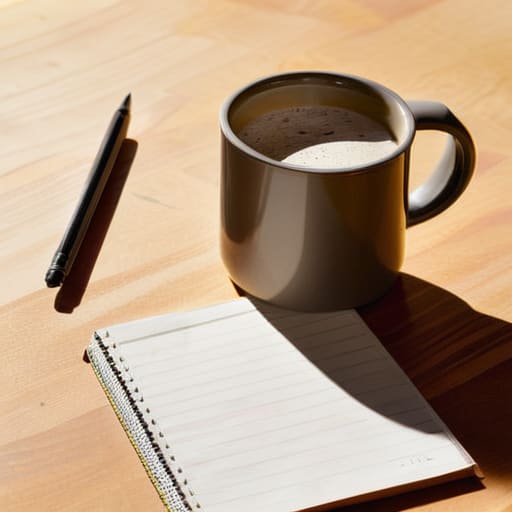
We’ve all been there: you stare at a list that’s three pages long, feel that familiar knot in your stomach, and decide that “researching” more coffee recipes is a much better use of your time. That’s the trap. When a list feels impossible, your brain treats it like a threat and tries to run away. The secret to overcoming procrastination with lists isn’t about having more willpower; it’s about lowering the barrier to entry. If a task feels too big, like “Clean the whole garage,” your brain will stall. Instead, write down “Sort one shelf of tools.” It sounds silly, but making the task stupidly small makes it much harder to ignore.
I’ve experimented with all the fancy productivity hacks for task management out there, but I’ve found that the best way to actually finish is to stop treating your list like a wish list and start treating it like a blueprint. If you find yourself constantly scrolling past tasks, try using time blocking techniques to give those items a specific home in your day. Don’t just write “Email the landlord”; write “Email landlord at 10:00 AM.” Giving a task a deadline and a dedicated slot turns a vague intention into a real commitment.
5 Ways to Make Your List Work for You (Instead of Against You)
- Stop the “Everything is Urgent” Trap: If your list has twenty “priority” items, you actually have zero priorities. Pick your top three non-negotiables before you even touch your coffee, and don’t let yourself move on to the fluff until those big wins are in the bag.
- Use the “Two-Minute Rule” to Clear the Clutter: If a task pops up that takes less than two minutes—like sending a quick confirmation email or putting that one tool back in the drawer—don’t even bother writing it down. Just do it right then and there so it doesn’t clog up your mental space.
- Write Tasks Like You’re Giving Instructions to a Kid: “Project X” is a terrible to-do item because it’s too vague and intimidating. Instead, write “Email Dave about the invoice” or “Buy 2x4s for the shelf.” When the step is specific and small, your brain won’t fight you as hard to get started.
- Build in “Buffer Time” for the Unexpected: Life happens. A sink leaks, a meeting runs long, or you just plain feel sluggish. If you schedule every single minute of your day, one tiny hiccup will wreck the whole thing. Leave some white space on your list so you can breathe when things go sideways.
- Do a “Brain Dump” Every Sunday Night: Instead of letting all those nagging thoughts swirl around your head while you’re trying to relax, grab a notebook and write every single thing you’re worried about. Once it’s on paper, you can organize it into a real plan for Monday and actually enjoy your weekend.
The Quick Version: My Top Three Rules for List-Making
Stop treating your list like a wish list; if it doesn’t actually need to happen today, move it to a “someday” list so you aren’t staring at a mountain of impossible tasks.
Keep your wins visible by physically crossing things off—it sounds cheesy, but that little bit of dopamine hit is what keeps you moving when the day gets heavy.
Always leave some breathing room; if you schedule every single minute of your day, one unexpected phone call or a spilled coffee will wreck your entire momentum.
<h2>The Real Secret to a Productive Day</h2>
“A to-do list shouldn’t feel like a heavy backpack you’re dragging uphill; it should be more like a blueprint for a project. If the steps are too big, you’ll never pick up the tools. Break it down until the next task feels so easy it’s almost impossible to mess up.”
Nathan Cole
The Finish Line is Just the Starting Line

Look, at the end of the day, a to-do list isn’t some sacred, unchangeable contract you sign with yourself every morning. It’s just a tool—like a hammer or a screwdriver—meant to help you build a better day. We’ve talked about how to stop that mental overload by prioritizing the heavy hitters, and how to dodge procrastination by keeping your tasks small enough that they don’t feel intimidating. If you can master the art of breaking things down and focusing on what actually moves the needle, you’re already ahead of most people. Don’t sweat it if your list looks a little messy or if you don’t check every single box by sunset; the goal is progress, not perfection.
If there’s one thing I’ve learned from fixing old engines and tackling messy renovation projects, it’s that you can’t finish a job if you’re too paralyzed to pick up the wrench. Don’t let a long list freeze you up. Just grab your notebook, pick one small thing, and get to work. Once you get that first win under your belt, the momentum will carry you through the rest. You’ve got this, and I promise that once you start taking control of your schedule, everything else starts to fall into place. Now, go out there and start knocking those tasks out.
Frequently Asked Questions
I've tried making lists before, but they always end up being a mile long and intimidating—how do I know when I've actually written down too much for one day?
Look, I’ve been there. I once wrote a list so long I felt defeated before I even grabbed my coffee. Here’s my rule of thumb: if you look at your list and your stomach knots up, you’ve gone too far. A realistic day usually only has three “big” wins and a handful of small stuff. If you’ve got ten “big” things, stop. Put the rest on a “Tomorrow” list and breathe.
Should I be using a fancy app for this, or is a simple old-school paper notebook actually better for staying focused?
Look, I’ve tried both. I’ve spent way too much money on productivity apps that eventually just become another digital mess to manage. Honestly? If you’re feeling scattered, go old-school. There’s something about the physical act of scratching a task through with a pen that hits differently—it’s a real win. Use an app if you need sync across devices, but if you just need to get stuff done without the notifications, grab a notebook.
What do I do when life happens and I don't get through my list? I usually just feel guilty and give up entirely.
Look, I’ve been there. I’ll plan a whole Saturday of DIY projects, only to have a burst pipe or a flat tire ruin the entire thing. When that happens, don’t beat yourself up. That guilt is just wasted energy. Instead of staring at the unfinished list, just draw a line through what didn’t happen and pick three small “wins” for tomorrow. Reset, forgive yourself, and just start again. You’ve got this.