I remember my first apartment back in my early twenties—I was living on lukewarm takeout and questionable frozen pizzas because the thought of standing over a stove felt like a massive, intimidating chore. I used to think you needed a culinary degree or a kitchen full of fancy gadgets just to make something edible, but let me tell you, that’s a total myth. Most of the time, we overcomplicate things when we really just need a few easy meals for beginners to get our feet under us. Learning to cook isn’t about being a chef; it’s about taking control of your budget and your health without losing your mind in the process.
In this guide, I’ve pulled together five of my absolute favorite go-to recipes that are practically foolproof. I’m talking about real, hearty food that requires minimal cleanup and even less stress. I’ll walk you through exactly how to tackle these dishes so you can stop staring blankly at your pantry and start feeling confident in the kitchen. By the time we’re done, you’ll have a solid rotation of meals that prove cooking can actually be the best part of your day.
Table of Contents
The One-Pan Sheet Pan Roast
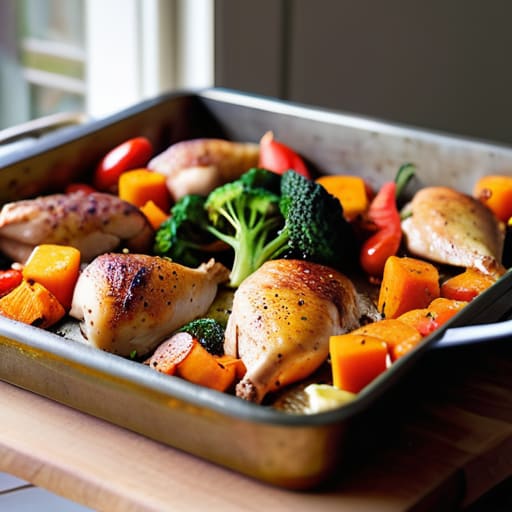
If you’re like me and hate spending your entire evening scrubbing pots and pans, this is your new best friend. I love a good sheet pan meal because it’s basically set it and forget it in the best way possible. You just grab some chicken thighs or sausages, chop up whatever veggies are looking sad in your fridge—broccoli, bell peppers, or sweet potatoes work great—toss them in some olive oil and salt, and spread them out on a baking sheet.
The "Everything" Quesadilla
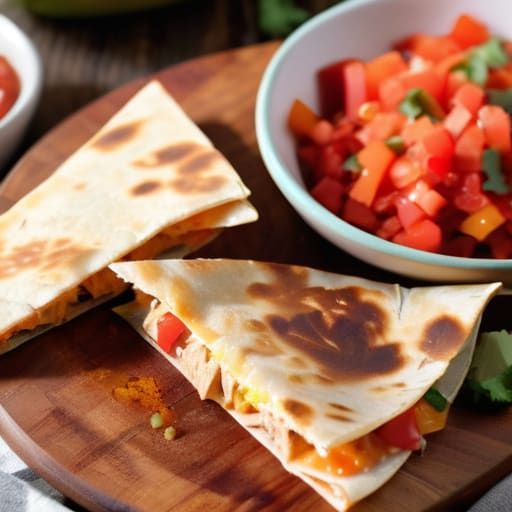
I remember when I was first starting out, I thought “cooking” meant following a strict recipe with twenty different spices. Then I realized that a quesadilla is basically just a safety net for leftovers. It is the ultimate low-effort, high-reward meal. All you need is a tortilla, some cheese that actually melts, and whatever protein or veg you have lying around from yesterday’s dinner.
Classic Pesto Pasta with a Twist
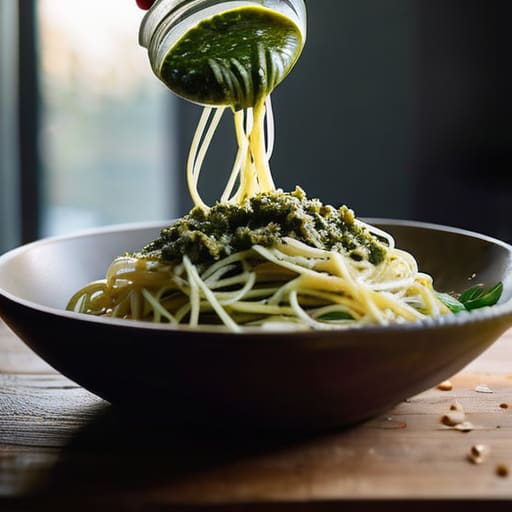
Pasta is the old reliable of the culinary world, but if you just boil noodles and eat them plain, you’re missing out. My go-to move when I’m tired but want something that feels actually fancy is using a high-quality store-bought pesto. It saves me a ton of time and effort, and honestly, most of the good stuff in the jar tastes better than what I can whip up on a Tuesday night anyway.
Hearty Breakfast-for-Dinner Scramble
There is no rule that says eggs are only for the morning. In fact, I think breakfast-for-dinner is one of the smartest hacks in the book. It’s incredibly inexpensive, takes less than ten minutes to cook, and you almost certainly have the ingredients in your kitchen right now. Whether it’s a simple scramble or a quick omelet, it hits the spot every single time.
Loaded Baked Potatoes
Don’t overlook the humble potato; it is arguably the most versatile tool in your kitchen arsenal. A baked potato is basically a blank canvas waiting for your creativity. You can scrub them off, prick them with a fork, and toss them in the oven (or even the microwave if you’re in a serious rush) to create a filling base that can handle just about anything.
The Bottom Line: Keeping It Simple
Don’t sweat the small stuff; if you burn a piece of toast or overcook the pasta, just keep moving. The goal is to get fed, not to win a Michelin star on your first try.
Focus on the “assembly” rather than the “art.” Most great beginner meals are just about combining a few good ingredients in the right order, so don’t feel like you need a culinary degree to make something delicious.
Build your confidence through repetition. Once you master these five basics, you’ll realize you already have the foundation to start tweaking recipes and making them your own.
My Philosophy on the Kitchen
“Look, you don’t need a culinary degree or a kitchen full of fancy gadgets to eat well. Cooking is just another skill, like fixing a leaky sink or wiring a lamp—once you stop overthinking the ‘rules’ and just focus on the steps, you’ll realize you’ve been able to do this all along.”
Nathan Cole
You've Got This
Look, I know that staring at a pile of raw ingredients can feel a lot like looking at a stripped screw—it’s frustrating and you just want to walk away. But if you take what we talked about today and apply it, you’ll see it’s much simpler than it looks. Whether you’re sticking to a single-pan pasta, mastering a basic sheet-pan chicken, or just learning how to not burn the garlic, you’re building a skill set that lasts. The goal isn’t to become a Michelin-star chef by Tuesday; it’s about using simple, repeatable wins to get decent food on the table without draining your bank account or your sanity.
At the end of the day, cooking is just another DIY project, and just like fixing a leaky faucet, the more you do it, the less intimidating it becomes. Don’t sweat the small stuff—if you overcook the noodles or the seasoning is a little off, just tweak it next time and keep moving. I promise you, there is a massive sense of pride that comes from sitting down to a meal you built with your own two hands. So, grab a pan, turn on some music, and just start cooking. You’re more capable than you think.
Frequently Asked Questions
I don't have a ton of fancy kitchen gear; can I still make these recipes with just a basic pan and a spatula?
Absolutely. Honestly, if you’ve got one decent pan and a spatula, you’re already halfway there. I’ve cooked most of my favorite meals over the years with nothing more than a basic skillet and a dream. You don’t need a kitchen full of gadgets to make something that tastes great. Just focus on getting the heat right and don’t be afraid to get a little messy. You’ve got this!
What’s the best way to prep these meals ahead of time so I'm not stuck in the kitchen every single night?
Look, I get it. The whole point of these recipes is to save you time, not turn your kitchen into a second job. My secret? Don’t cook everything at once—that’s how you end up with soggy leftovers. Instead, focus on “component prepping.” Chop all your veggies on Sunday, brown your meat in one big batch, and portion out your grains. When Tuesday rolls around, you’re just assembling, not starting from scratch.
If I'm on a tight budget, are there specific cheap ingredients I should keep on hand to make these even easier?
Look, I’ve spent plenty of weeks staring at a near-empty fridge, so I get it. To keep things cheap and fast, keep a “survival kit” of pantry staples: dried lentils or beans, a bag of rice, canned tomatoes, and some eggs. I also swear by frozen veggies—they’re cheaper than fresh, won’t rot in your crisper drawer, and you can toss them into almost anything. Having these on hand makes those easy meals feel even more effortless.