
You know that feeling when you’re trying to sneak into the kitchen for a midnight snack, only to have your bedroom door let out a piercing, high-pitched scream that sounds like a banshee? I’ve been there more times than I’d like to admit. My old apartment had a door that sounded like it was protesting every single time I moved it, and I used to think I’d need to call a professional or replace the entire hinge assembly just to get some peace. But here’s the truth: learning how to fix a squeaky door isn’t some complex engineering project. It’s usually just a matter of a little bit of lubrication and a few minutes of your time.
I’m not going to suggest any fancy, expensive industrial tools that you’ll never use again. Instead, I’m going to show you how to tackle this using stuff you probably already have in your junk drawer or kitchen pantry. We’ll walk through the quickest ways to silence that noise, from the “quick fix” method to the more thorough deep-clean approach. My goal is to get that door swinging silently so you can stop jumping every time you walk through a room.
Table of Contents
Guide Overview
Tools & Supplies
- Screwdriver for tightening loose hinge screws
- Microfiber cloth for wiping away excess lubricant
- Lubricant (WD-40, silicone spray, or white lithium grease) 1 can
- Cleaning rag 1 piece
Step-by-Step Instructions
- 1. First things first, you’re going to need to grab some lubricant. If you have a can of silicone spray or white lithium grease sitting in your garage, you’re golden. If not, don’t panic—even a little bit of petroleum jelly from the medicine cabinet can do the trick in a pinch. Just avoid using plain old cooking oil; it might work for five minutes, but it eventually gets gummy and attracts dust, which creates a bigger mess later.
- 2. Before you start spraying stuff everywhere, take a damp rag and wipe down the hinges. Over the years, those metal joints collect a nasty mix of dust, hair, and old grime. If you try to lubricate right over that junk, you’re basically just making a thick, black sludge that’ll make the squeak even worse. Get them looking relatively clean so the lubricant can actually reach the metal.
- 3. Now, here is the part where most people get lazy, but I want you to do it right: remove the hinge pin. Take a hammer and a large nail (or a screwdriver if you’re careful), place it at the bottom of the pin, and give it a few light taps until the pin pops upward. Once it’s out, set it aside on a piece of cardboard so you don’t lose it in the carpet. Trust me, losing a pin is a headache you don’t need.
- 4. While that pin is out, take a look at it. If it looks rusty or pitted, give it a quick scrub with some steel wool or a rough rag. This is the perfect time to apply your lubricant directly to the pin itself. Instead of just spraying the door and hoping for the best, coating the pin ensures the oil gets exactly where the friction is happening.
- 5. Slide the pin back into the hinge carefully. As you push it down, you might need to give it a few taps with the hammer to get it seated properly. Once it’s back in, swing the door back and forth a few times. This helps work the lubricant into the internal parts of the hinge. You’ll likely hear the squeak start to fade away with every swing.
- 6. Finally, grab that damp rag again and wipe away any excess oil. You don’t want liquid dripping down your door frame or staining your flooring. If you used a spray, there might be some overspray on the metal, so just buff it off until it looks clean. Give the door one last test swing, and if it’s silent, you’re officially done!
Finding Household Items to Stop Door Squeaks Fast
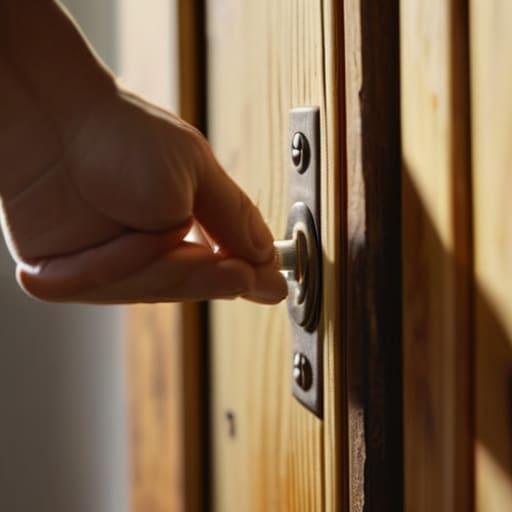
Now, if you don’t have a can of specialized lubricant sitting in your junk drawer, don’t panic. I’ve been in plenty of situations where I needed to quiet a hinge immediately and didn’t want to run to the hardware store. You can actually find some great household items to stop door squeaks right in your kitchen or bathroom. A little bit of cooking oil (like olive or vegetable oil) on a Q-tip works wonders in a pinch, as does a bar of soap rubbed directly onto the hinge mechanism. Just a heads-up though: these are temporary fixes. They’ll stop the noise for a few days, but they can get a bit gummy over time, so don’t make them your permanent solution.
If you do decide to head to the store for something more long-term, you’ll likely run into the classic debate of WD-40 vs silicone spray for doors. Here’s my two cents: standard WD-40 is a great cleaner and helps loosen things up, but it actually evaporates pretty quickly. For real, long-lasting door hinge maintenance tips, I always recommend grabbing a silicone-based spray or even some white lithium grease. These stay on the metal longer and won’t attract as much dust, meaning you won’t be fighting that same squeak again next week.
Wd 40 vs Silicone Spray for Doors Which Wins

So, you’ve got your supplies ready, but you’re staring at the shelf wondering which can goes in the can. This is the classic debate of WD-40 vs silicone spray for doors, and honestly, most people get it backwards. Here’s the deal: standard WD-40 is a fantastic cleaner and a great way to break up old, gunked-up grease, but it’s not a long-term lubricant. It evaporates pretty quickly, which means that annoying squeak might come crawling back in a week. If you just want a quick fix to stop the noise right this second, it’ll do the trick, but it’s not the gold standard for fixing noisy door hinges permanently.
If you want to do the job once and forget about it, go with the silicone spray. Silicone stays put, resists dust, and creates a slick barrier that lasts way longer. When I’m doing serious door hinge maintenance tips, I always reach for the silicone because it won’t attract as much grime over time. If the squeak is really stubborn, you might even need to try removing hinge pins to coat them directly, but for most of us, a good spritz of silicone is the real winner for long-term peace and quiet.
Pro Tips to Keep That Squeak from Coming Back
- Clean those hinges first. If you just spray lubricant over years of dust and grime, you’re basically making a greasy sludge that’ll attract even more dirt. Give them a quick wipe with a rag before you add anything new.
- Don’t overdo it. I’ve seen guys soak a hinge in oil like they’re trying to deep-fry it. A little goes a long way. If you use too much, it’s just going to drip down your door frame and leave a nasty stain.
- Work the hinge, don’t just spray it. Once you apply your lubricant, swing the door back and forth a few times. You want that oil to actually get inside the pin and work its way through the mechanism, not just sit on the surface.
- Listen to the “language” of the squeak. If it’s a high-pitched chirp, it’s usually just dry metal. If it’s a low, grinding sound, you might actually have a hinge that’s slightly bent or misaligned, and no amount of spray is going to fix that.
- Keep a small can of silicone spray in your junk drawer. It’s way cleaner than the heavy-duty stuff and won’t leave that “mechanic shop” smell hanging around your hallway for three days.
Quick Reminders Before You Get Started
If you’re in a pinch, don’t panic—things like cooking oil or even a bit of petroleum jelly from the medicine cabinet can get you through the night.
Grab a dedicated lubricant like silicone spray if you want a long-term fix, but keep the WD-40 for cleaning off old gunk rather than as a permanent solution.
Always keep a rag handy to wipe away any extra drips so you don’t end up with oily streaks on your door or floor.
## The Big Picture
“A squeaky door isn’t just a minor annoyance; it’s a tiny, constant reminder of something that needs a little attention. But here’s the thing: you don’t need a professional or a fancy toolkit to handle it. Most of the time, it’s just a matter of a little grease and a few minutes of your time to get things running smooth again.”
Nathan Cole
Wrapping It All Up
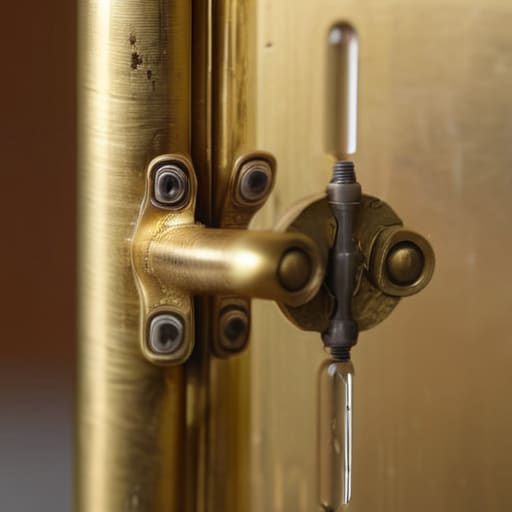
So, there you have it. Whether you ended up grabbing the heavy-duty silicone spray from the garage or just grabbed some cooking oil from the pantry to get through the night, you’ve officially tackled the problem. Just remember that the secret is all in the application—make sure you get that lubricant deep into the hinge pin so it actually does its job. If you find the squeak coming back in a few weeks, don’t sweat it; it just means you might need a slightly thicker grease next time. The main thing is that you didn’t call a handyman or spend money on a professional just to deal with a little bit of friction.
At the end of the day, fixing a squeaky door is about more than just getting some peace and quiet in your hallway. It’s about that small, satisfying feeling of looking at something that was broken and realizing you were the one who fixed it. I know some of these little household annoyances can feel like a mountain when you’re tired after work, but I promise you, they are totally figure-out-able. Keep your tools handy, keep experimenting, and don’t be afraid to get your hands a little dirty. You’ve got this!
Frequently Asked Questions
What if I lubricate the hinges and the squeak doesn't actually go away?
If you’ve lubed the hinges and that annoying sound is still hanging around, don’t sweat it—it just means the squeak is hiding somewhere else. Usually, it’s a sign that the hinge pin is worn out or there’s some grit trapped deep inside the mechanism. My advice? Pull the pin out entirely, clean it with some steel wool, and check if it’s bent. If it looks beat up, it’s time for a cheap replacement.
How often do I really need to grease my door hinges to keep them quiet?
Honestly, there’s no magic number, but I usually aim for a “once a year” tune-up just to be safe. If you live near the coast where salt air can mess with metal, or if you’ve got kids constantly slamming doors, you might need to do it more often. My rule of thumb? If you hear even the tiniest hint of a groan, don’t wait. Hit it with a little lube now before it turns into a real headache.
Is it safe to use cooking oil or vegetable oil if I'm in a pinch, or will that gunk up the hinges later?
Look, I get it—you’re in the middle of something and just want that noise gone now. But honestly? Skip the olive oil or vegetable oil. It might work for ten minutes, but cooking oils eventually go rancid and turn into this sticky, gummy mess that actually traps dust and grit inside your hinges. It’ll make the problem way harder to fix later. Stick to a real lubricant if you can; your future self will thank you.