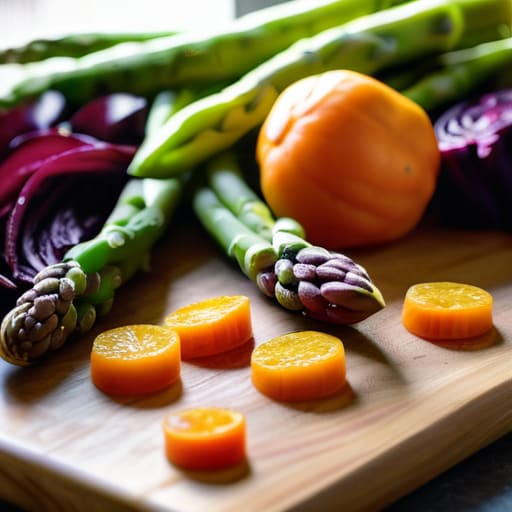
I still remember sitting in my tiny first apartment, staring down a limp, sad-looking head of broccoli like it was a broken radiator I didn’t have the tools to fix. I’d tried following those fancy, over-complicated recipes online that required “emulsion techniques” and expensive oils, only to end up with a mushy, grey mess that tasted like nothing. It turns out, most of the high-end culinary advice out there makes learning how to cook vegetables feel way harder than it actually is. You don’t need a culinary degree or a kitchen full of gadgets to make something decent; you just need to stop treating your produce like it’s fragile.
I’m not here to give you a lecture on molecular gastronomy or sell you some overpriced spice kit. My goal is to show you that once you master a few basic, reliable methods, you can turn almost anything from the produce aisle into a solid meal. I’m going to break this down into simple, repeatable steps that work every single time, whether you’re roasting, steaming, or pan-searing. We’re going to strip away the fluff and focus on what actually works so you can get real food on the table without the headache.
Table of Contents
Mastering Healthy Vegetable Preparation Methods Without the Stress
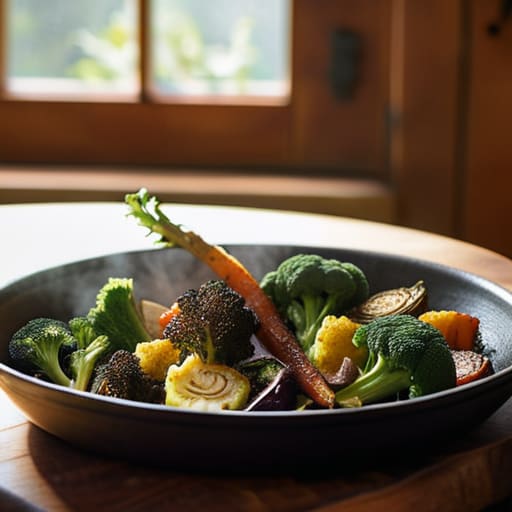
Look, I used to think “healthy” meant eating bland, sad-looking steamed broccoli that tasted like nothing. But after years of messing around in my own kitchen, I’ve learned that the secret isn’t about deprivation; it’s about choosing the right approach for the job. When you’re looking at healthy vegetable preparation methods, you really only need to master a couple of basics. If you’re in a massive rush, steaming is your best friend because it’s fast and keeps things light. However, if you actually want flavor, you’ve got to embrace the oven.
I’m a huge fan of the steaming vs roasting vegetables debate, and honestly, I usually land on roasting every single time. Roasting caramelizes the natural sugars, which turns a boring carrot into something that actually tastes like a treat. To do it right, you don’t need a kitchen full of fancy gadgets—just a sturdy sheet pan and a good knife. Once you get the hang of it, you’ll realize that making quick vegetable side dishes doesn’t have to be a chore; it’s just about letting heat and a little seasoning do the heavy lifting for you.
The Essential Vegetable Cooking Tools You Actually Need
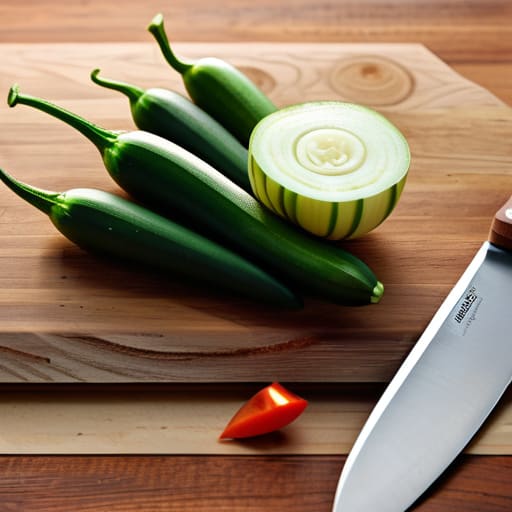
Look, I’ve walked into more hardware and kitchen stores than I’d care to admit, and if there’s one thing I’ve learned, it’s that you don’t need a kitchen full of expensive gadgets to get the job done. You really just need a few solid pieces of gear that won’t quit on you. For me, a heavy-duty chef’s knife is the absolute MVP. If your knife is dull, you’re going to struggle with everything from slicing peppers to dicing onions, and that’s when accidents happen. Pair that with a sturdy wooden cutting board, and you’re already halfway to mastering different healthy vegetable preparation methods.
Next up, let’s talk heat. If you want to experiment with steaming vs roasting vegetables, you’re going to want a reliable stainless steel sheet pan and a good steamer basket. A sheet pan is your best friend for those crispy, caramelized edges we all love, while a basket helps you keep things light and fresh. Throw in a high-quality cast iron skillet or a simple non-stick pan, and you’ve got the essential vegetable cooking tools to tackle pretty much any recipe I throw at you.
5 Pro Tips to Stop Making Mushy, Boring Veggies
- Don’t crowd the pan. I learned this the hard way back when I was first learning to cook. If you throw a mountain of broccoli into a small skillet, it’s just going to steam in its own moisture and turn into a soggy mess. Give your veggies some breathing room so they actually get that nice, golden-brown sear.
- Salt your water like the sea. If you’re boiling potatoes or blanching green beans, don’t be shy with the salt. You want to season the vegetable from the inside out while it’s cooking, not just toss salt on top at the very end when it’s already lost its flavor.
- Respect the “hard” and “soft” rule. You can’t throw carrots and spinach into a pan at the same time and expect magic to happen. Start with the tough stuff—like root vegetables or thick stalks—and add the delicate greens in the last couple of minutes. It takes a little timing, but it makes a world of difference.
- Use high heat for flavor. If you want that restaurant-quality char, don’t be afraid to crank up the heat a bit. Searing vegetables quickly at a higher temperature locks in the texture and brings out those natural sugars that make them taste sweet instead of just “healthy.”
- Acid is your secret weapon. This is the one tip most people miss. If your roasted veggies taste a little “flat” or dull, don’t just reach for more salt. Squeeze a little fresh lemon juice or add a tiny splash of balsamic vinegar right before serving. That hit of acid wakes everything up.
The Bottom Line: Keep It Simple
Don’t sweat the fancy gear; a sharp knife and a decent pan are 90% of the battle.
Focus on texture and seasoning rather than complex recipes—salt, fat, and heat do the heavy lifting.
Start small with one or two veggies at a time so you don’t get overwhelmed in the kitchen.
My Golden Rule for the Kitchen
“Look, you don’t need a culinary degree or a kitchen full of fancy gadgets to make veggies taste great; you just need to stop treating them like an afterthought and start treating them like the main event—a little heat, a bit of seasoning, and a lot less fear goes a long way.”
Nathan Cole
Getting Stuck In
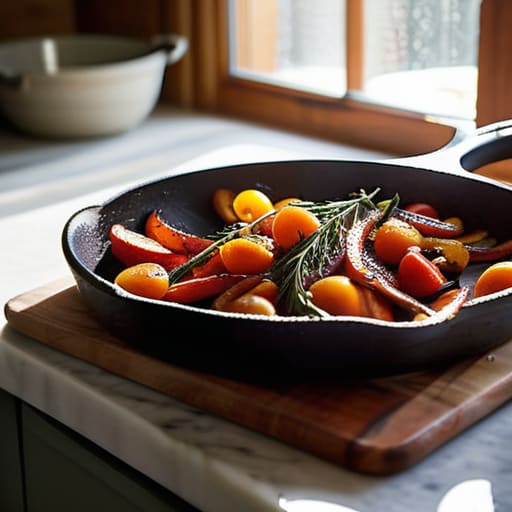
At the end of the day, cooking vegetables isn’t about following a rigid, scientific formula or owning every single gadget in the kitchen catalog. It’s about knowing that a sharp knife, a decent pan, and a little bit of heat can turn something boring into something actually delicious. We’ve covered how to prep them without losing your mind, the few essential tools that actually make a difference, and how to pick a method—whether it’s roasting for crunch or steaming for lightness—that fits your mood. Just remember: don’t be afraid to play with salt, fat, and acid. Once you realize that most veggies are incredibly forgiving, the intimidation factor just disappears.
Look, I know there are nights when the thought of chopping up a pile of broccoli feels like a massive chore. But I promise you, once you get that first bite of a perfectly seasoned, golden-brown roasted carrot, you’re going to feel like a total pro. Cooking is a skill just like fixing a leaky sink or wiring a new lamp; it takes a little practice, but it’s totally figure-out-able. So, grab whatever is sitting in your crisper drawer, get it into a pan, and just start. You’ve got this, and honestly, your body (and your taste buds) will thank you for it.
Frequently Asked Questions
How do I keep my veggies from turning into a mushy, overcooked mess?
Look, we’ve all been there—you’re trying to be healthy, and suddenly your broccoli looks like green sludge. The secret is heat and timing. First, don’t crowd the pan; if things are too packed, they steam instead of sear. Second, start with high heat to get a nice crust, then dial it back. Most importantly, test them! Poke a fork in; if it goes in with just a little resistance, pull them off the heat immediately.
Is there a trick to getting that perfect roasted texture without using a ton of expensive oils?
Honestly, I used to drown my veggies in oil thinking it was the only way to get that crunch, but I was wrong. The real secret? Don’t crowd the pan. If your veggies are touching, they’ll steam instead of roast, leaving you with a soggy mess. Toss them in a bowl with just enough oil to coat them lightly, spread them out on a sheet pan, and let the oven heat do the heavy lifting.
I’m always in a rush—what are the quickest ways to cook vegetables when I only have ten minutes for dinner?
Look, I get it. Some nights, the last thing you want to do is spend forty minutes hovering over a stove. When I’m in a rush, I lean on two things: high heat and small cuts. Toss some frozen peas or pre-sliced peppers into a screaming hot pan with a bit of oil—that’s a three-minute sauté right there. Or, just throw some broccoli in the microwave with a splash of water. Fast, easy, and done.