I used to think that learning how to build a balanced meal meant I had to buy a dozen different superfoods that cost more than my monthly electric bill or spend three hours prepping fancy salads that tasted like wet grass. Honestly, the whole “wellness” industry makes it feel like you need a PhD in nutrition just to get through a Tuesday night without crashing. It’s all a lot of noise, and frankly, it’s exhausting. Most of that high-end advice is just fluff designed to make you feel like you’re doing it wrong, when really, you’re just trying to get some fuel in your system so you can get on with your life.
Here’s my promise to you: we aren’t going to do any of that nonsense. I’m going to show you how to build a balanced meal using real-world logic and stuff you actually have in your pantry right now. I’ll break it down into a simple, repeatable framework that works whether you’re cooking in a gourmet kitchen or a tiny apartment with a single hot plate. My goal is to strip away the complexity and give you a no-nonsense toolkit so you can stop overthinking your plate and start feeling good about what you eat.
Table of Contents
Mastering the Protein Vegetable Carbohydrate Ratio
Now, I know looking at a bunch of different food groups can feel like you’re trying to solve a math equation, but let’s simplify it. Think of your plate as a construction project; you need the right materials in the right amounts so the whole thing doesn’t collapse. This is where the protein vegetable carbohydrate ratio comes into play. I like to think of protein as my foundation—it keeps me full and helps my muscles recover after a long day of DIY projects. If you’re just eating a mountain of pasta, you’re going to crash hard an hour later.
A good rule of thumb I live by is the healthy plate method. Try to aim for about a quarter of your plate being a solid protein source, another quarter for your carbs, and then let the vegetables take up the remaining half. This isn’t about strict calorie counting or being obsessive; it’s just about portion control for healthy eating that actually makes sense in a real kitchen. If you get this basic layout down, you’ve already done the hardest part of the job.
The Healthy Plate Method Made Simple
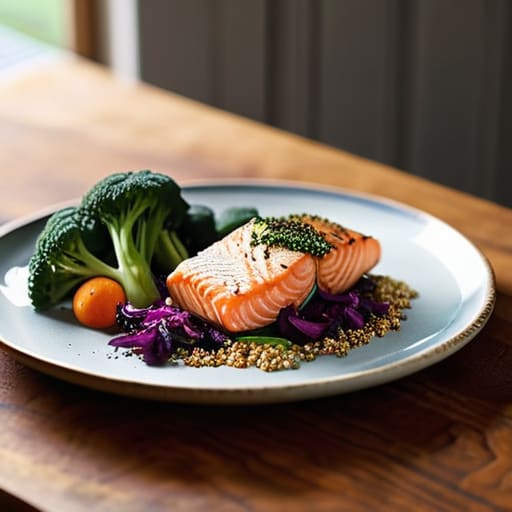
Now, if you aren’t a fan of doing math while you’re hungry, don’t sweat it. You don’t need a spreadsheet to get this right. I like to use the healthy plate method because it’s visual and requires zero calorie counting. Think of your plate as a blueprint. Instead of worrying about exact grams, just look at the space you’re filling. If you aim to fill half your plate with colorful veggies, a quarter with protein, and the last quarter with your carbs, you’re already winning.
The real trick here is focusing on the nutritional density of foods rather than just the volume. It’s the difference between a plate of plain white pasta and a bowl of hearty farro tossed with roasted broccoli and grilled chicken. One leaves you crashing by 3:00 PM, while the other keeps you fueled for the evening. Once you get the hang of this visual split, you’ll find that portion control for healthy eating actually becomes second nature. It stops being about restriction and starts being about just getting the right mix on your fork.
Five Easy Ways to Nail Your Plate Every Single Time
- Don’t get hung up on fancy labels. Whether it’s a bag of frozen peas, a can of chickpeas, or a fresh head of broccoli, just focus on getting some color and fiber onto the plate. It doesn’t have to be organic or expensive to count as a win.
- Keep a “cheat sheet” of easy pairings in your head. I like to think in terms of “base + protein + crunch.” Think rice and black beans with some bell peppers, or pasta with chicken and sautéed spinach. Once you have a few go-to combos, you stop staring blankly at the pantry.
- Use your pantry as your secret weapon. A balanced meal doesn’t always mean a trip to the grocery store. A tin of tuna, a jar of lentils, and some quick-cooking couscous can make a solid meal in about ten minutes if you’re stuck in a pinch.
- Watch the “hidden” extras. I love a good sauce or dressing as much as the next guy, but it’s easy to accidentally turn a healthy bowl into a calorie bomb with too much mayo or heavy dressing. Use them as a garnish to add flavor rather than drowning everything.
- Prep the boring stuff ahead of time. If I have a container of cooked quinoa or a chopped bag of salad in the fridge, building that balanced meal takes zero brainpower. It’s much harder to eat well when you’re staring at a pile of raw ingredients after a long day.
The Quick Cheat Sheet for Your Next Meal
Don’t sweat the math; just aim for a solid mix of protein, veggies, and carbs on every plate to keep your energy steady.
Use your eyes, not a scale—half the plate should be colorful veggies, a quarter protein, and a quarter grains or starches.
Keep it simple and repeatable so you aren’t standing in the kitchen staring at the pantry wondering what to do next.
## The Real Secret to Eating Well
“Forget the complicated nutrition charts and the fancy meal prep containers. Building a balanced meal isn’t about being perfect; it’s just about making sure you’ve got a little bit of everything on your plate so you actually feel good after you eat.”
Nathan Cole
Getting It Done in Your Own Kitchen
Look, I know that staring at a pantry full of random ingredients can feel like trying to fix a plumbing leak without a wrench, but it’s really not that complicated once you have the right blueprint. Just remember the core essentials we talked about: grab a solid protein to keep you full, throw in some veggies for the nutrients, and add a healthy carb to keep your energy steady. You don’t need to be a Michelin-star chef or follow a strict, complicated math equation to get this right. If you can master that basic ratio, you can turn almost any pile of groceries into something that actually fuels your body instead of just filling your stomach.
At the end of the day, don’t let the pursuit of a “perfect” meal stop you from just making a good one. Most of the time, we overthink things that are actually pretty straightforward, and eating well is no different. Start small, use what you’ve got on hand, and don’t be afraid to experiment a little as you go. You’ve got the tools and the method now, so just get in there and give it a shot. I promise, once you start building these plates yourself, you’re going to feel a lot more in control of your health and a whole lot better every time you sit down to eat.
Frequently Asked Questions
What do I do if I'm on a tight budget and can't afford all these fresh veggies and proteins?
Look, I get it. I’ve definitely had those weeks where my bank account looks a lot leaner than my grocery list wants it to be. Don’t let the price of organic produce discourage you. Lean hard on frozen veggies—they’re just as nutritious and way cheaper. For protein, grab some dried beans, lentils, or canned tuna. They’re budget superstars. It’s not about being fancy; it’s just about making the most of what you’ve got.
How do I handle balanced meals when I'm eating out or grabbing something quick at a deli?
Look, I get it. Most of the time, I’m cooking at home, but even I end up grabbing a sandwich from the deli or hitting a drive-thru when life gets hectic. Don’t sweat it—you don’t need a kitchen to stay on track. Just use the same logic: look for the protein, grab a side of greens instead of fries, and watch the heavy sauces. It’s all about making the best choice available in the moment.
Is there a way to do this without having to track every single calorie or gram of food?
Honestly, if you’re anything like me, the idea of weighing out every gram of broccoli sounds like a total chore. Good news: you don’t need a spreadsheet to eat well. Forget the calorie counting and just use your eyes. Use your hand as a guide—a palm of protein, a fist of veggies, and a cupped hand of carbs. It’s much more “figure-out-able” and way less stressful than living by a math equation.