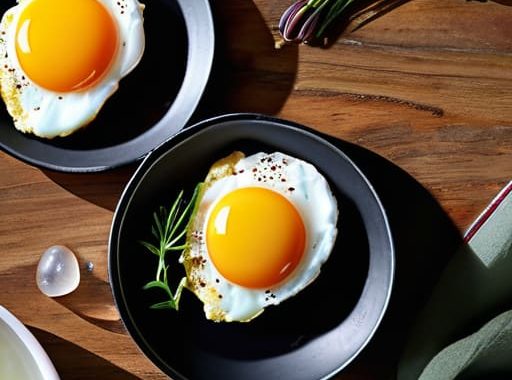
I still remember standing in my first tiny apartment kitchen, staring at a greasy pan and a carton of eggs like they were some kind of high-tech puzzle I couldn’t solve. I’d tried following those fancy, over-the-top cooking shows where everything looks effortless, but I usually ended up with something that looked more like rubber than breakfast. It’s frustrating because people make learning how to cook eggs seem like this culinary art form that requires expensive copper pans and a chef’s degree, but honestly? That’s total nonsense. You don’t need a gourmet setup to get a decent meal on the table when you’re hungry and tired.
I’m not here to give you some flowery, complicated recipe that requires twenty different ingredients you don’t have in your pantry. My goal is to strip away the fluff and show you that this is one of the most figure-out-able skills you can master. I’m going to walk you through a few foolproof methods that actually work in a real-world kitchen, using the basic tools you already own. We’re going to break this down into simple, actionable steps so you can stop guessing and start actually enjoying your breakfast.
Table of Contents
Mastering Egg Cooking Temperatures for Perfect Results
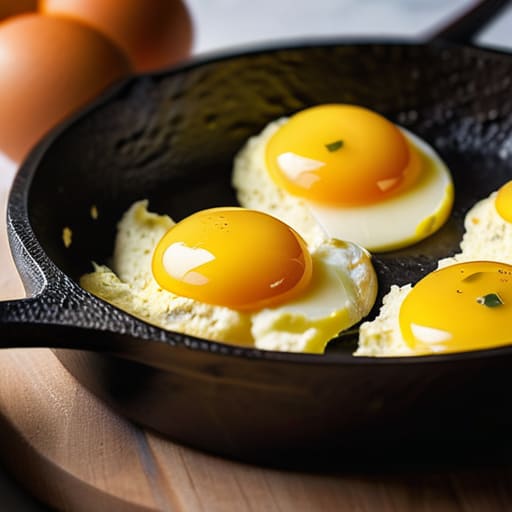
Here’s the deal: heat is everything. I learned the hard way that if you treat a pan like it’s always on high, you’re going to end up with rubbery, sad-looking breakfast. Most of the magic happens in the tiny differences between “warm” and “hot.” When you’re looking for that perfect egg yolk consistency, you have to respect the thermometer (or at least your eyes). For example, if you’re going for creamy scrambled eggs, you want low and slow. If you crank the heat too fast, the proteins tighten up immediately, and you lose that velvety feel.
If you’re moving away from the pan and toward the pot, timing becomes your new best friend. I always keep a mental boiled egg timing guide handy because even sixty seconds can be the difference between a jammy, golden center and a chalky, overdone mess. It’s all about controlling the energy you’re putting into the food. Once you get a feel for how different heat levels affect the whites and yolks, you’ll stop guessing and start actually cooking with confidence.
The Secret to Achieving Your Ideal Egg Yolk Consistency
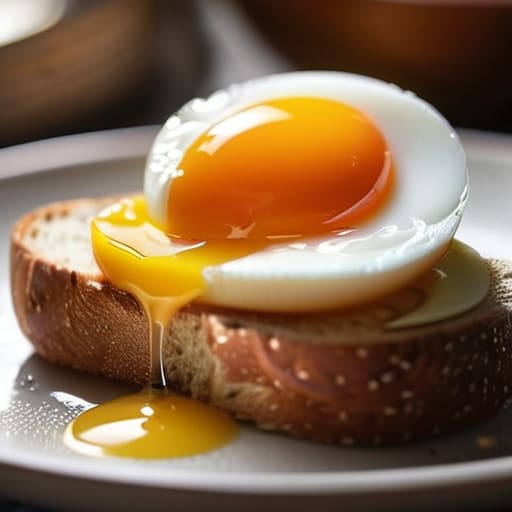
This is where most people get tripped up, but honestly, it’s just a game of patience and a little bit of timing. Whether you’re craving a runny yolk to dip toast into or something jammy and rich, the trick is realizing that the yolk reacts to heat almost instantly once the whites have set. If you’re going the soft-boiled route, I always keep a boiled egg timing guide taped to my fridge. Even a thirty-second difference can be the gap between a liquid gold center and a yolk that’s gone completely chalky.
If you’re more of a breakfast-sandwich person, you’ll want to focus on your egg yolk consistency during the frying process. I like to turn the heat down low and put a lid over the pan for the last minute; that gentle steam cooks the top of the white without turning the yolk into rubber. It’s one of those small tweaks that makes a massive difference in how the final dish feels. Once you nail that balance, you’ll realize that getting it exactly how you like it is way easier than it looks.
Five little tricks to make your eggs taste like a pro made them
- Grab yourself some fresh eggs from the fridge right before you start. If they sit out on the counter and get too warm, they’re way harder to crack cleanly without getting tiny shards of shell in your pan.
- Don’t be afraid of a little fat. Whether it’s a knob of salted butter or a tiny splash of olive oil, you need that lubricant to keep the whites from sticking to the pan like glue.
- Use a non-stick pan if you have one, but give it a quick wipe down first. Any leftover residue from yesterday’s dinner can mess with how the egg slides around.
- Keep a lid handy. If you’re poaching or frying and want that beautiful, soft-set top without overcooking the bottom, just pop a lid over the pan for thirty seconds to trap the steam.
- Season at the very end. If you salt your eggs too early while they’re still liquid, it can actually change the texture and make them a bit watery. Hit them with the salt and pepper right before they hit the plate.
The quick rundown: What you need to remember
Temperature is your best friend; keep that heat low and steady to avoid rubbery whites or burnt bottoms.
Don’t be afraid to experiment with your timing—finding that sweet spot for your yolk is all about trial and error.
It’s way more figure-out-able than it looks, so grab a pan and just start practicing; you’ll nail it in no time.
## My Golden Rule for the Kitchen
“Look, you don’t need a culinary degree or some fancy copper pan to get this right; you just need to respect the heat and realize that a little patience goes a lot further than a high flame ever will.”
Nathan Cole
You’ve Got This
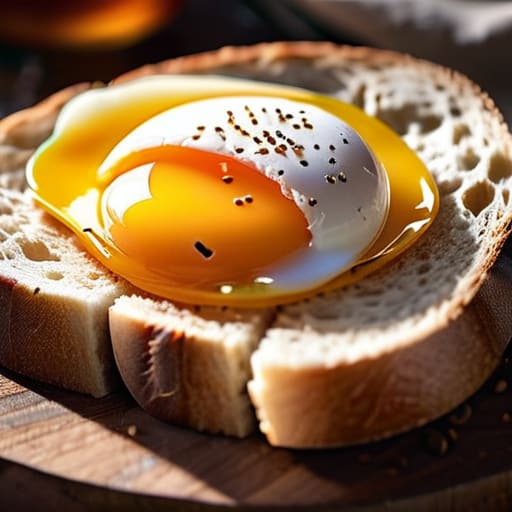
Look, I know it might seem like a lot to keep track of—managing your heat so you don’t end up with rubbery whites, or timing that yolk just right so it’s perfectly jammy instead of a watery mess. But once you get the hang of these basics, you’ll realize that cooking eggs isn’t some high-stakes culinary exam; it’s just about paying attention to the pan. Whether you’re scrambling them up for a quick breakfast or trying to nail a fancy poached egg for brunch, just remember to keep your temperature in check and don’t be afraid to adjust as you go.
At the end of the day, the most important thing is that you actually get in there and try it. You might burn a few, or your first fried egg might look a little more “rustic” than a restaurant version, but that is exactly how you learn. Every time you turn on that stove, you’re building a skill that stays with you for life. Don’t let a simple egg intimidate you—embrace the mess, enjoy the process, and remember that even the best chefs started exactly where you are right now. Now, go grab a pan and get cooking!
Frequently Asked Questions
Do I really need to use butter, or can I get away with just using oil from a spray can?
Look, you can definitely use the spray oil if you’re in a rush or trying to keep things light, but if you want that classic breakfast flavor, butter is king. It adds a richness that oil just can’t touch. If you do go the spray route, just make sure your pan is nice and hot first so the eggs don’t immediately bond to the surface. It’s all about what you’ve got in the pantry.
How do I know if my eggs are actually fresh before I crack them into the pan?
The easiest way to do this without making a mess is the “float test.” Grab a glass of water and drop your egg in. If it sinks to the bottom and stays flat, it’s golden. If it stands up on one end but stays submerged, it’s getting older but still fine to use. But if it floats to the top? Toss it. That means too much air has gotten in there, and it’s best to play it safe.
What’s the best way to clean up the pan if I end up with that stubborn, crusty egg residue stuck to the bottom?
Don’t go at it with a metal scrubber right away—you’ll ruin that non-stick surface I spent good money on. Instead, just pour in a little water and a drop of dish soap while the pan is still warm. Bring it to a simmer on the stove for a minute or two. That heat breaks the bond of that crusty residue, making it slide right off with a soft sponge. Easy win.