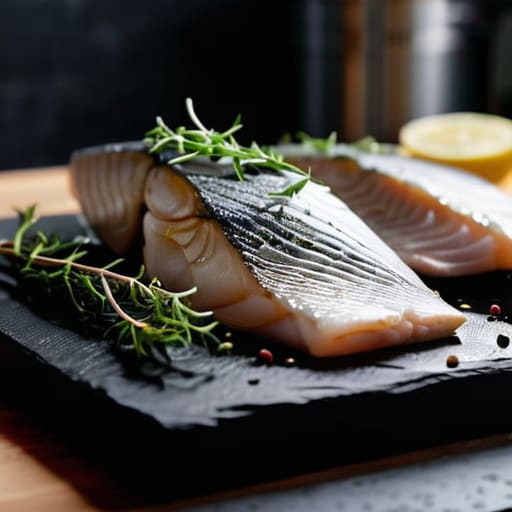
I still remember the first time I tried to make salmon for a date. I’d watched a fancy cooking show where the chef used tweezers and talked about “delicate textures,” and I ended up with a grey, rubbery mess that smelled like a pier at low tide. It was embarrassing, and it honestly made me think that learning how to cook fish was some kind of high-level culinary magic reserved for people with expensive degrees. But here’s the truth: you don’t need a sous-chef or a kitchen full of gadgets to get a perfect sear. Most of the “rules” you see online are just unnecessary complications designed to make a simple task feel much harder than it actually is.
I’m not here to give you a lecture on molecular gastronomy or tell you to buy a hundred-dollar thermometer. Instead, I’m going to show you the practical, no-nonsense way to handle a fillet without stressing out. We’re going to break this down into a few repeatable steps—from getting the pan hot enough to knowing exactly when to flip it—so you can walk into your kitchen with actual confidence. My goal is to make sure that the next time you pull a piece of fish out of the fridge, you feel completely in control.
Table of Contents
Picking the Best Fish for Beginners Without the Stress
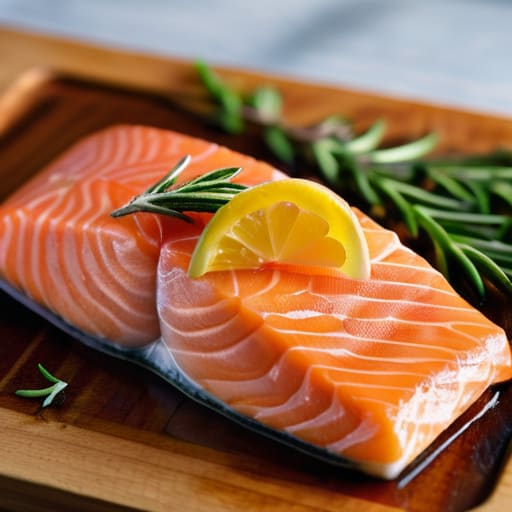
I know the seafood counter can feel like a high-stakes test you didn’t study for, but I promise it’s not as intimidating as it looks. When you’re starting out, you want something forgiving—fish that won’t fall apart the second it hits the heat. I always tell people that the best fish for beginners are the “meaty” varieties like salmon or halibut. These guys are sturdy and have a bit more fat to work with, which means they stay juicy even if you overcook them by a minute or two.
If you’re feeling a bit budget-conscious or just want to avoid the guesswork of a busy market, don’t sleep on the freezer aisle. I’ve found that some of the best fresh vs frozen fish tips involve realizing that high-quality frozen fillets are often flash-frozen at peak freshness, making them super consistent for a weeknight meal. Just make sure you thaw them completely in the fridge before you start. Once you’ve picked your piece, don’t worry too much about fancy techniques; just grab some salt, pepper, and a squeeze of lemon, and you’re already halfway there.
Fresh vs Frozen Fish Tips for a Better Meal
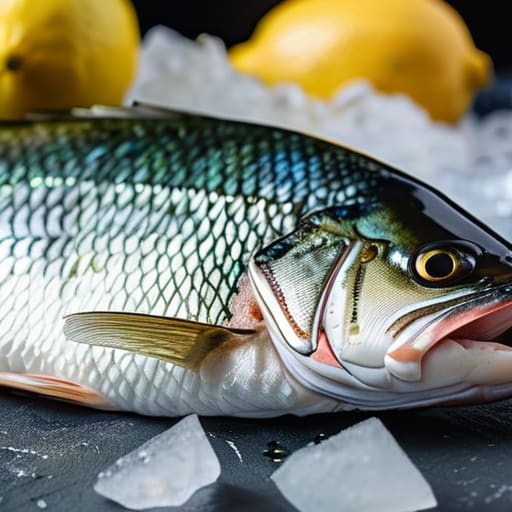
Now, here is the big debate: should you head to the seafood counter or grab something from the freezer aisle? Honestly, there isn’t a wrong answer here, but there are definitely some fresh vs frozen fish tips I’ve learned the hard way. If you’re buying fresh, just make sure it smells like the ocean, not like “fishy” fish. If it has a strong odor, leave it on the shelf.
On the flip side, don’t sleep on the frozen stuff. In fact, for many of us, frozen is actually better because it’s flash-frozen at the peak of freshness. My biggest piece of advice? If you go the frozen route, thaw it completely in the fridge overnight before you even think about touching a pan. If you try to cook a half-frozen fillet, you’ll end up with a soggy mess that’s impossible to flip. Once it’s thawed and patted dry with a paper towel, you’re ready to go. It’s all about setting yourself up for a win before the heat even hits the stove.
5 Simple Ways to Stop Fearing the Frying Pan
- Pat that fish dry like your life depends on it. I know it sounds extra, but if your fillet is wet when it hits the pan, it’s going to steam instead of sear. Grab some paper towels and get it bone-dry so you get that crispy skin we’re all after.
- Don’t be afraid to turn up the heat. A common mistake I see is people cooking on medium-low because they’re scared of sticking. Get your oil shimmering hot first; that heat creates a natural barrier that helps the fish release from the pan once it’s actually cooked.
- Resist the urge to poke it. I get it, you want to see if it’s done, but every time you flip or move that fillet too early, you risk breaking it into a million pieces. Let it sit. If it’s sticking, it’s usually telling you it isn’t ready to flip yet.
- Season right before it hits the heat. If you salt your fish and let it sit on the counter for twenty minutes, the salt pulls moisture out of the flesh. Just season it right as you’re ready to drop it in the pan to keep that texture perfect.
- Use the “flake test” instead of a timer. Every stove and every piece of fish is different, so a recipe’s timing is really just a suggestion. Take a fork and gently press near the thickest part; if it flakes easily along the natural lines, you’ve nailed it.
Quick Wins for Your First Fish Night
Don’t overthink the selection—if it smells like the ocean and looks firm, you’re already halfway to a win.
Frozen is totally fine, just make sure you thaw it properly in the fridge so the texture doesn’t get mushy.
Focus on the heat; getting that pan hot before the fish hits the surface is the secret to preventing it from sticking.
My Golden Rule for the Kitchen
“Look, you don’t need a culinary degree to make a great piece of fish; you just need to stop overthinking it. If you can master the heat in your pan and learn to listen to that sizzle, you’re already halfway to a meal that tastes like you spent way more money than you actually did.”
Nathan Cole
You’ve Got This
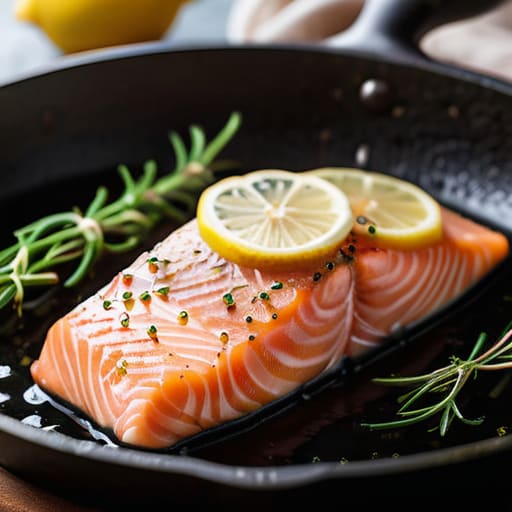
At the end of the day, cooking fish isn’t about being a Michelin-star chef; it’s about knowing a few basics so you don’t end up with a burnt mess. We’ve covered how to pick out a solid piece of fillet, why you shouldn’t be afraid of the frozen aisle, and how to keep things simple in the kitchen. Just remember to watch your heat and don’t be afraid to use a meat thermometer if you’re feeling unsure. If you focus on getting the pan hot and respecting the ingredients, you’re already halfway to a restaurant-quality meal right in your own kitchen.
I know that first time you drop a piece of salmon into a sizzling pan, your heart might race a little. I’ve been there, staring at a piece of whitefish wondering if I just ruined dinner. But here is the secret: even if it comes out a little overdone, it’s still going to taste great with a squeeze of lemon and some salt. Most things in life—and definitely most things in the kitchen—are just a matter of trial and error. So, grab a fillet, turn up the heat, and just give it a shot. You might be surprised at how much you actually enjoy it.
Frequently Asked Questions
How do I know when the fish is actually done without overcooking it and making it dry?
The “is it done yet?” panic is real, but you don’t have to guess. My go-to move is using an instant-read thermometer—it’s a total game changer. Aim for 145°F, but honestly, if you pull it off the heat at 140°F and let it rest for a minute, it’ll hit that sweet spot perfectly. If you don’t have a thermometer, just flake it with a fork; if it separates easily without being mushy, you’re golden.
Do I really need to buy a meat thermometer, or is there an easier way to tell?
Look, I get it. You don’t want another gadget cluttering up your kitchen drawer. Honestly? If you’re just starting out, you don’t need one, but I’ll be real with you: a cheap digital thermometer is a total game-changer for peace of mind. If you really want to skip it, just watch for the flakes—when the fish pulls apart easily with a fork, it’s usually ready. Just don’t overdo it!
What's the best way to get that crispy skin I see in restaurants without it sticking to the pan?
That restaurant-style crispy skin is the holy grail, but I’ll be honest—it’s usually the part that makes people want to give up on pan-searing. The secret isn’t a fancy technique; it’s moisture control. Grab some paper towels and pat that skin bone-dry before it even touches the pan. Then, get your oil shimmering hot, lay the fish in away from you, and—this is the hard part—don’t touch it until it naturally releases.