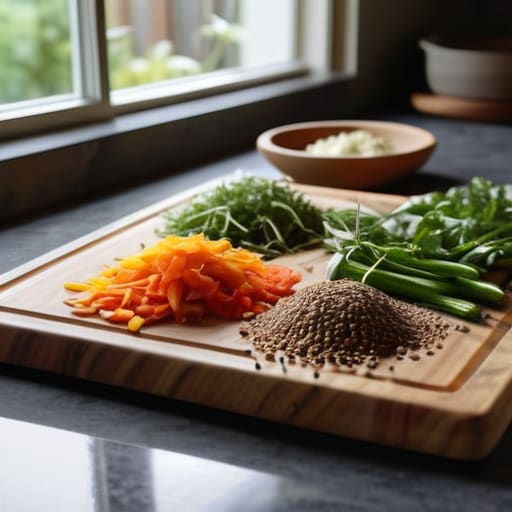
I still remember my first apartment, a tiny studio where the “kitchen” was basically just a hot plate and a prayer. I spent more time scrubbing burnt grease off a cheap pan and wrestling with dull knives than I did actually eating. I used to think you needed a professional-grade setup and a cabinet full of specialized gadgets to make a decent meal, but honestly? Most of those fancy influencers are just selling you clutter. You don’t need a $400 immersion blender to get through a Tuesday night; you just need a few solid kitchen tips and tricks that actually work when you’re tired and hungry.
I’m not here to give you any of that over-the-top, “culinary masterclass” nonsense that requires a degree and a massive budget. My goal is to give you the real-world shortcuts I’ve picked up from years of trial, error, and way too many burnt dinners. We’re going to focus on practical, low-stress ways to organize your space, prep faster, and make your tools work for you instead of against you. I promise to keep things simple and figure-out-able, so you can spend less time stressing over the sink and more time actually enjoying your food.
Table of Contents
Mastering Meal Prep Efficiency Without the Stress
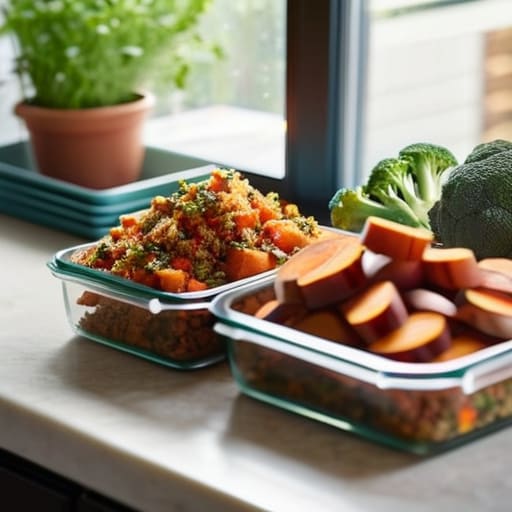
Look, I used to think meal prep meant spending my entire Sunday hunched over a cutting board, staring at a mountain of broccoli until my eyes crossed. It felt more like a chore than a way to save time. But after a few failed attempts that ended in a fridge full of mushy leftovers, I realized that meal prep efficiency isn’t about working harder; it’s about working smarter. The trick is to stop trying to cook ten different recipes at once and start focusing on building components.
Instead of making full meals, try prepping “building blocks”—like a big batch of roasted sweet potatoes, a tray of seasoned chicken, or a pot of quinoa. When you have these ready to go, assembly takes minutes rather than an hour. I also highly recommend investing in some decent food storage solutions, like glass containers that actually seal tight. It keeps everything fresher for longer and helps with reducing food waste, which is a huge win for both your wallet and your conscience. Once you get into this rhythm, you’ll stop dreading the weekday rush.
Building Culinary Skill Building Through Small Wins
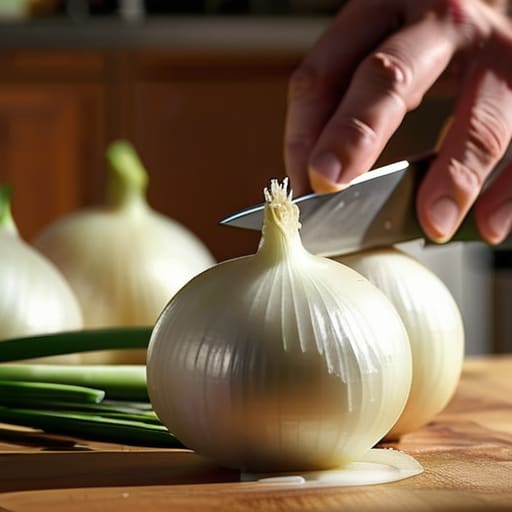
Look, I used to think that becoming a “good cook” meant mastering a dozen complex French sauces or flipping omelets like a pro on a cooking show. But after years of trial and error in my own kitchen, I’ve realized that real culinary skill building is actually about the little things. It’s not about the fancy recipe; it’s about the mechanics. For example, I spent a whole weekend just practicing safe knife handling techniques on a pile of cheap onions. It sounds boring, I know, but once you stop worrying about whether you’re going to nick a finger, you actually start enjoying the rhythm of chopping.
Once you nail those small physical skills, everything else starts to click. You’ll find that you’re moving faster and feeling more confident. I’ve also learned that part of being a better cook is actually just being a better manager of your space. Taking ten minutes to focus on some basic kitchen organization ideas—like making sure your most-used spices are actually within reach—removes that mental friction that makes cooking feel like a chore. When your tools are ready and your hands know what to do, you stop following recipes like a manual and start actually cooking.
Five Quick Fixes to Stop the Kitchen Chaos
- Get organized with a “landing zone.” Before you even start cooking, clear off a small section of your counter and keep it empty. This is your home base for ingredients, tools, or that half-empty coffee mug that always seems to migrate toward your prep area. It keeps the clutter from creeping into your workspace.
- Stop fighting your knives. I learned the hard way that a dull knife is actually way more dangerous than a sharp one because it slips. You don’t need a professional sharpening service; just grab a decent honing rod and spend thirty seconds giving your blade a quick pass before you start chopping. It makes the whole process feel smoother and less like a chore.
- Clean as you go—seriously. It sounds like something your mom would nag you about, but it’s a game changer. If you have two minutes while the onions are sautéing, use that time to toss the scraps in the bin and rinse the cutting board. You’ll actually enjoy eating your meal if you aren’t staring at a mountain of crusty dishes afterward.
- Master the “Mise en Place” lite version. You don’t need to be a fancy French chef to use this. Just get all your ingredients out, chopped, and measured into little bowls or even just piles on a plate before you turn on the heat. There is nothing more stressful than realizing you forgot to mince the garlic while your butter is already browning in the pan.
- Use your “dead time” for small wins. If you’re waiting for the water to boil or the oven to preheat, don’t just scroll on your phone. Use those three minutes to wipe down the stovetop or empty the dishwasher. It keeps the momentum going and means you aren’t stuck cleaning for an hour once the meal is over.
The Bottom Line: Making It Work in Your Kitchen
Don’t try to overhaul your entire life in one Sunday; pick one small habit, like chopping veggies ahead of time, and nail it before moving on to the next thing.
Keep your tools sharp and your workspace clear, because a cluttered counter is just a fast track to feeling overwhelmed and quitting halfway through a recipe.
Remember that mistakes are just part of the process—even I burn a few things now and then—so focus on the progress you’re making rather than being perfect.
My Kitchen Philosophy
“Look, you don’t need a culinary degree or a kitchen full of expensive gadgets to make something great; you just need a few solid habits and the confidence to know that if you mess up a recipe, you can always just try again tomorrow.”
Nathan Cole
Making It Your Own
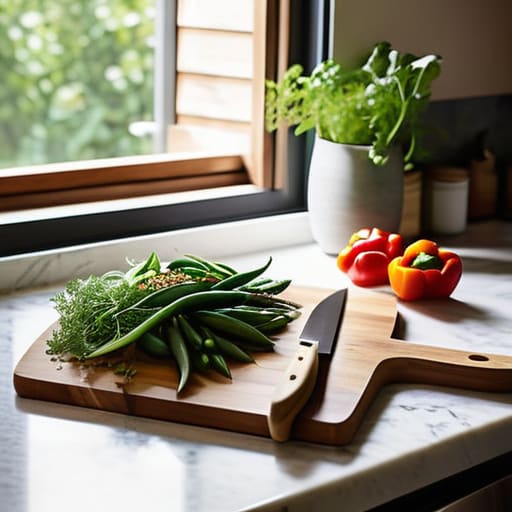
Look, I know that trying to overhaul your entire kitchen routine all at once can feel like trying to fix a plumbing leak with nothing but duct tape—it’s messy and usually doesn’t hold up. But if you take what we talked about today—the small wins in skill-building and the way you streamline your meal prep—you’ll start to see the momentum build. You don’t need a professional chef’s setup or a kitchen full of expensive gadgets to get this right. It’s really just about mastering the basics and finding those tiny, repeatable habits that make your daily life run a little smoother.
At the end of the day, your kitchen is your territory, and it should work for you, not against you. Don’t get discouraged if you burn a batch of toast or if your prep work takes way longer than a YouTube video promised. That’s just part of the process. Every time you tackle a new technique or organize a drawer, you’re becoming more capable. My best advice? Just start where you are with whatever tools you’ve got. I promise you, once you get those first few wins under your belt, you’re going to feel like a total pro. Now, go get stuck in!
Frequently Asked Questions
I'm already feeling overwhelmed; what are the absolute must-have tools I need to get started without spending a fortune?
Look, I get it. Walking into a kitchen supply store is a recipe for buyer’s remorse. You don’t need a fancy sous-vide machine or a dozen specialized gadgets to make great food. Start with the “Big Four”: one decent chef’s knife, a sturdy cutting board, a heavy cast-iron or stainless steel skillet, and a good non-stick pan. Grab a basic set of measuring spoons and a digital thermometer too. That’s it. Everything else is just extra noise.
How do I keep my kitchen organized so I'm not constantly digging through messy drawers while I'm trying to cook?
Look, I’ve spent way too many dinners hunting for a spatula in a junk drawer while my garlic was burning. It’s frustrating. The trick is to organize by “zones.” Keep your oils, spices, and prep tools right where you actually use them. Use drawer dividers for the small stuff so things don’t migrate, and if you haven’t used a gadget in a year, get it out of your way. Clear counters, clear mind.
What can I do to make cleaning up much faster so I'm not stuck at the sink for an hour after every meal?
Look, I’ve spent way too many nights staring at a mountain of crusty dishes when I’d rather be on the couch. The secret? Clean as you go. Don’t wait until the meal is done to start the cleanup. While your onions are sautéing or the pasta is boiling, grab that sponge. Wash the prep bowls and cutting boards immediately. If you tackle the small stuff while you wait, you’ll finish the meal with a nearly empty sink.