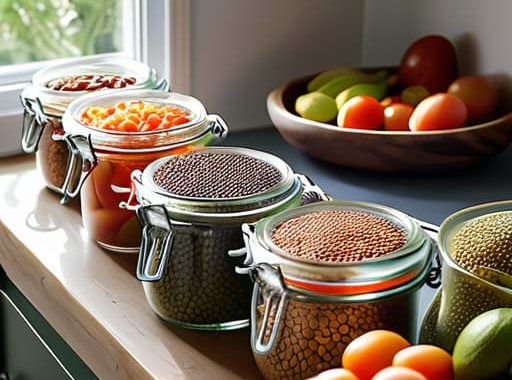
I used to think that learning how to stock a healthy kitchen meant spending my entire paycheck on organic microgreens and fancy, unlabeled jars of ancient grains that looked great on Instagram but tasted like cardboard. I’d walk into the grocery store, see a price tag on a bag of “superfood” quinoa, and immediately feel like I was failing at being an adult. It’s a total myth that you need a massive budget or a degree in nutrition to eat well; honestly, most of that high-end health food hype is just expensive marketing designed to make you feel inadequate.
Look, I’m not here to sell you on some lifestyle overhaul that requires a second mortgage. My goal is to show you that it’s actually much more figure-out-able than the experts make it seem. I’m going to break down a simple, no-nonsense blueprint for how to stock a healthy kitchen using reliable staples that won’t break the bank. We’re going to focus on the stuff that actually works—the versatile, real-world ingredients that make cooking a quick weeknight meal feel like a win rather than a chore.
Table of Contents
- Your Nutrient Dense Food Shopping Guide Made Easy
- Building a Foundation With Whole Food Pantry Staples
- 5 Pro-Tips for Keeping Your Kitchen Running Like a Well-Oiled Machine
- The Quick Cheat Sheet for Your Next Grocery Run
- ## The Real Secret to a Healthy Kitchen
- Getting Your Kitchen Ready for Action
- Frequently Asked Questions
Your Nutrient Dense Food Shopping Guide Made Easy
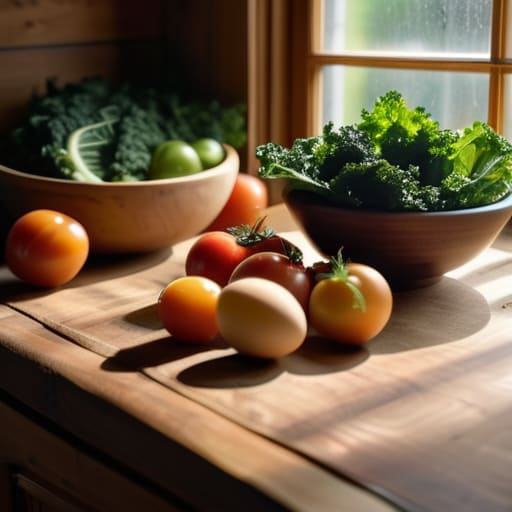
Look, I get it. Walking into a massive supermarket can feel like being dropped into a maze designed to make you fail. You see all these flashy boxes and “diet” labels, and suddenly, you’re standing in the middle of aisle four wondering if you’re even doing this right. My trick? Stop trying to find “superfoods” and just focus on the perimeter. That’s where the real stuff lives—the fresh produce, the proteins, and the dairy. If you build your nutritious grocery list essentials around things that actually grew in the ground or came from an animal, you’ve already won half the battle.
When it comes to the middle aisles, don’t panic. You don’t need a gourmet chef’s budget to do this well. I always keep a handful of whole food pantry staples on hand, like brown rice, canned beans, and oats. These are my “emergency” ingredients for those nights when I’m too tired to cook something fancy but still want to eat something that won’t make me feel like a zombie the next morning. Just aim for ingredients with minimal processing, and you’ll be golden.
Building a Foundation With Whole Food Pantry Staples
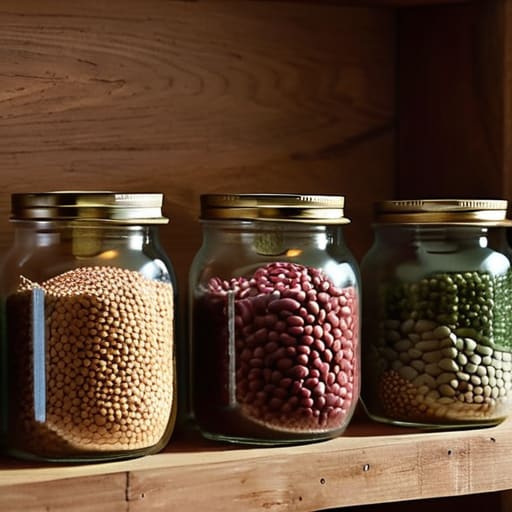
Think of your pantry as the toolbox for your kitchen. Just like I wouldn’t start a renovation without a solid hammer and a level, you shouldn’t try to cook a decent meal without some reliable whole food pantry staples on hand. I’m talking about the stuff that doesn’t expire the second you look away—things like brown rice, quinoa, canned beans, and lentils. These are your heavy lifters. They’re cheap, they last forever, and they provide the backbone for almost any meal you can dream up.
Once you’ve got those grains and legumes in the cupboard, you need to round out your kit with flavor and texture. I always keep a stash of raw nuts, seeds, and dried herbs nearby. They’re my secret weapon for meal prepping with healthy ingredients because you can toss them into a boring bowl of rice and suddenly, it actually tastes like something you’d pay $15 for at a cafe. If you focus on building this base first, you’ll stop relying on those expensive, processed takeout meals when you’re too tired to cook.
5 Pro-Tips for Keeping Your Kitchen Running Like a Well-Oiled Machine
- Shop the perimeter of the store first. I’ve learned the hard way that the middle aisles are where the processed stuff hides. If you stick to the edges—produce, meat, dairy—you’re doing most of the heavy lifting for your health without even trying.
- Don’t fear the freezer aisle. Honestly, frozen veggies are a lifesaver when you’re tired after work. They’re picked at peak ripeness, they don’t rot in your crisper drawer after three days, and they make a quick stir-fry possible in ten minutes.
- Master the “Mix and Match” rule. You don’t need a recipe for everything. If you have a grain (like quinoa), a protein (like canned chickpeas), and a green (like spinach), you’ve got a meal. Keeping these components separate makes assembly way less stressful.
- Keep a “Rescue List” on your fridge. When you’re standing in the grocery aisle staring at a shelf, it’s easy to get overwhelmed. Write down five meals you can make with your staples so you aren’t impulse-buying stuff you’ll never actually use.
- Buy in bulk, but be smart about it. Things like rice, beans, and oats are dirt cheap when you buy the big bags. Just make sure you’ve got some decent airtight containers to keep them fresh—nothing kills my motivation like finding weevils in my pantry.
The Quick Cheat Sheet for Your Next Grocery Run
Focus on building a solid base of pantry staples first; it’s much harder to eat healthy when you’re staring at an empty cupboard on a Tuesday night.
Don’t get paralyzed by the “perfect” diet—just aim for nutrient-dense whole foods and keep your shopping list simple so you don’t get overwhelmed.
Think of your kitchen as a toolset; once you have the right ingredients on hand, making a decent meal becomes a lot more figure-out-able.
## The Real Secret to a Healthy Kitchen
“Look, you don’t need a gourmet pantry or a massive budget to eat well; you just need a handful of reliable staples and the confidence to know that if you’ve got the basics, you can whip up something good in twenty minutes.”
Nathan Cole
Getting Your Kitchen Ready for Action
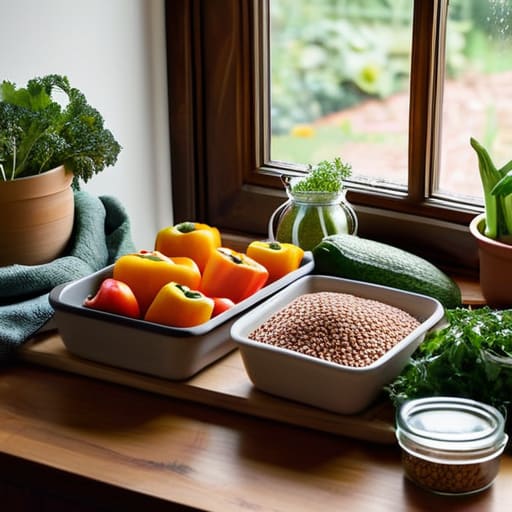
Look, I know it can feel like a massive project when you first look at an empty pantry or a fridge full of nothing but condiments. But once you break it down, it’s really just about those basics we talked about: grabbing those nutrient-dense staples, keeping some frozen veggies on hand for the busy nights, and building a solid foundation of whole foods. You don’t need a gourmet pantry or a massive budget to make this work; you just need a smart game plan and a few reliable ingredients that can go a dozen different ways. Once you have those core items in your cupboard, you’ve already done the hardest part of the job.
My biggest piece of advice? Don’t feel like you have to overhaul your entire life in a single trip to the grocery store. If you only manage to pick up two or three new staples this week, that is a win in my book. Building a healthy kitchen is a lot like restoring an old tool or fixing up a house—you take it one step at a time, and before you know it, you’ve got something functional and reliable that works for you. You’ve totally got this, so grab your list and get out there. I can’t wait to hear about the first meal you whip up with your new setup.
Frequently Asked Questions
How do I keep all this fresh stuff from going bad if I'm not cooking every single night?
Look, I’ve been there—buying a mountain of spinach only to find a bag of green slime in the crisper drawer a week later. It’s a waste of money and a total bummer. My trick? Treat your produce like a project. Keep herbs in a glass of water like flowers, wrap your greens in paper towels to soak up moisture, and if you see something wilting, toss it in the freezer for a smoothie. Don’t let it go to waste!
Is it actually cheaper to buy in bulk, or am I just wasting money on stuff that sits in the pantry forever?
It’s a bit of both, honestly. If you’re buying a massive bag of rice or lentils that you actually eat every week, you’re winning—the price per ounce is unbeatable. But if you’re grabbing “bulk deals” on specialty sauces or snacks that just end up gathering dust in the back of the pantry, you’re just donating money to the grocery store. Stick to the heavy hitters you use daily, and you’ll see the savings.
What are the absolute must-have spices if I want to make basic ingredients taste good without spending a fortune?
Look, you don’t need a spice rack that looks like a chemistry lab to make food taste great. If you’re on a budget, stick to the heavy hitters: garlic powder, smoked paprika, dried oregano, and a decent cumin. Throw in some red pepper flakes if you like a kick. These four can transform a plain chicken breast or a bowl of lentils into something actually worth eating without breaking the bank.