Achieving inbox zero to tame email.

Inbox Zero: How to Finally Tame Your Email

I remember sitting at my kitchen table last Tuesday, staring at my laptop screen with a knot in my stomach that felt exactly like looking at a pile of unwashed dishes or a broken sink I didn’t know how to fix. Every time I refreshed, more junk piled up—newsletters I never signed up for, CC’d threads that had nothing to do with me, and those nagging “urgent” requests that never actually felt urgent. I used to think reaching inbox zero was some high-level productivity hack reserved for CEOs with personal assistants, a sort of digital perfectionism that was just out of reach for a guy like me.

But here’s the thing: you don’t need a complex system or a fancy paid subscription to get control back. I’ve spent the last few weeks tinkering with my own workflow, stripping away the fluff, and I’ve realized that most of the “expert” advice out there is just unnecessary noise. I’m going to show you how to tackle this using a few straightforward, manual steps that actually work in the real world. No fluff, no expensive software—just a practical way to clear the clutter so you can finally stop worrying about your email and get back to your actual life.

Table of Contents

Mastering Simple Email Organization Techniques

Mastering Simple Email Organization Techniques.

Before you start deleting everything in sight, you need a system that actually works for your daily life. I’ve found that the best email organization techniques aren’t about complex coding; they’re about setting up a few basic rules so the chaos doesn’t come rushing back the next morning. Start by creating three simple folders: “Action Required,” “Awaiting Reply,” and “Archive.” Instead of letting every single message sit in your main view, move it into one of these buckets immediately. This is the core of reducing digital clutter—you aren’t just hiding emails; you’re giving them a designated home so your eyes can actually rest.

Another trick I swear by is setting up effective email filtering to handle the junk before you even see it. If you get those daily newsletters or automated receipts that you only need once a month, don’t let them hit your primary inbox. Set up a rule to automatically skip the inbox and land them straight into a “Read Later” folder. It’s a small tweak, but it makes a massive difference in managing email overload because you’re only reacting to things that actually need your attention.

Reducing Digital Clutter One Click at a Time
Reducing Digital Clutter One Click at a Time

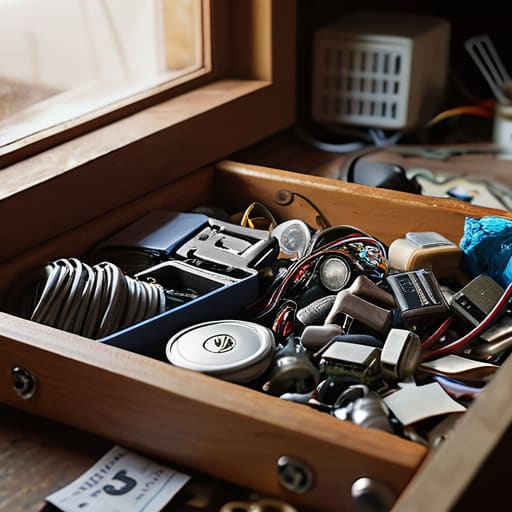
Think of your inbox like a junk drawer in your kitchen. We all have one—that one spot where random batteries, old receipts, and mystery keys go to die. If you don’t clean it out regularly, you eventually can’t find anything. The same thing happens with your digital life. Reducing digital clutter isn’t about deleting every single thing you’ve ever received; it’s about clearing out the noise so you can actually see what matters. I started by unsubscribing from every retail newsletter that wasn’t giving me a deal I actually wanted. It sounds small, but it stops the bleeding immediately.

Once you’ve stopped the influx of junk, you need to set up some guardrails. I’m a big fan of using effective email filtering to do the heavy lifting for me. You can set up rules that automatically move receipts to a “Finance” folder or send those annoying “social media notification” emails straight to the trash. By automating these little tasks, you’re essentially building a digital sorting machine. It takes about twenty minutes to set up, but it saves you hours of manual clicking down the road.

My Five Go-To Moves for Keeping the Chaos at Bay

  • Use the “Two-Minute Rule” religiously. If an email lands in your inbox and you can answer it or take care of it in under two minutes, just do it right then. Don’t let it sit there and rot; if it’s quick, knock it out and move on.
  • Set up some basic filters to act like your digital bouncers. You don’t need to see every single newsletter or receipt the second they hit your server. Have them skip the inbox and go straight into a “To Read” or “Receipts” folder so they aren’t cluttering up your workspace.
  • Unsubscribe like it’s your job. We’ve all done it—signed up for a discount code once and now we’re getting daily emails from a store we haven’t visited in three years. If you haven’t opened an email from a sender in a month, hit that unsubscribe button. It’s better than deleting them every single day.
  • Create “Action” folders instead of just archiving everything. Sometimes I like to have a folder specifically for “Needs Reply” or “Waiting on Someone Else.” It keeps the important stuff front and center without letting it sit in the main inbox like a pile of unwashed dishes.
  • Schedule your “Email Check-ins.” Checking your inbox every five minutes is a one-way ticket to losing your focus. I try to pick three or four specific times a day to dive in, handle business, and then close the tab. It keeps you in control of the email, rather than the email controlling you.

The Quick Fix: My Top Three Takeaways

Don’t let the mountain intimidate you; just pick one small corner of your inbox to tackle at a time, and you’ll build the momentum you need to finish the job.

Treat your unsubscribes like junk mail—if you haven’t opened a newsletter in a month, kill it off immediately so you aren’t fighting the same battle next week.

Remember that “Inbox Zero” isn’t about being perfect or having a pristine screen; it’s just about getting your digital workspace to a point where it stops stressing you out.

## A Shift in Perspective

“Look, Inbox Zero isn’t about being some kind of digital perfectionist or spending your whole life staring at a screen; it’s just about clearing the workbench so you can actually get to the real work without feeling like you’re drowning in unread messages.”

Nathan Cole

Bringing It All Home

Organizing digital clutter, Bringing It All Home.

Look, I know it sounds a bit intense when people talk about “Inbox Zero” like it’s some holy grail of productivity, but it’s really just about getting your tools in order. We’ve talked about setting up those quick organization systems, carving out time for maintenance, and—most importantly—slashing that digital clutter before it has a chance to pile up. It’s not about having a perfectly empty screen every single second of the day; it’s about making sure that when you sit down to work, you aren’t fighting an uphill battle against a thousand unread notifications. Once you get these small, repeatable habits down, you’ll find that managing your email becomes a background task rather than a full-time job that follows you into your weekend.

At the end of the day, don’t let the fear of a messy inbox stop you from even trying. If you try to tackle the whole mountain at once, you’re just going to end up staring at the screen with a headache. Just pick one thing—maybe it’s unsubscribing from those junk newsletters or just archiving one old thread—and start right there. I promise you, that feeling of clicking “empty inbox” for the first time is a massive win. You’ve got this, and honestly, once you start seeing the progress, you won’t want to go back to the chaos. Now, go grab a coffee, close those tabs, and get to work.

Frequently Asked Questions

Does "inbox zero" mean I actually have to delete every single email I've ever received?

Short answer: Heck no. If I deleted every email I’d ever received, I’d probably lose my tax records and that one recipe for slow-cooked chili I actually like. Inbox zero isn’t about having a graveyard of empty folders; it’s about making sure your current workspace isn’t a mess. Think of it like cleaning a workbench—you don’t throw away your tools, you just clear off the sawdust so you can actually see what you’re working on.

How do I handle those annoying newsletters that I keep meaning to unsubscribe from but never actually do?

Look, I’ve been there. My inbox used to look like a digital junk drawer, overflowing with “special offers” I never wanted. Don’t just delete them—that’s like sweeping dust under a rug. Instead, try the “One-In, One-Out” rule: every time you open a newsletter you don’t read, scroll straight to the bottom and hit unsubscribe immediately. It takes ten seconds, but it stops the bleeding and keeps that clutter from coming back.

Is it possible to maintain a clean inbox if my job requires me to respond to dozens of emails every single day?

Look, I get it. When your job is basically “responding to people all day,” the idea of a clean inbox feels like trying to mop a floor while the faucet is still running. It’s tough. But you don’t need a zeroed-out inbox to be productive; you just need a system that keeps you from drowning. It’s less about deleting everything and more about moving “done” tasks out of your sight so you can actually focus.


How to clean up your digital life.

How to Clean Up Your Digital Life in a Weekend

You know that feeling when you open a junk drawer in your kitchen and it’s just a mountain of old batteries, broken rubber bands, and mystery keys? Well, if you’re staring at a desktop covered in random screenshots or an inbox with 4,000 unread messages, your computer is basically that drawer. Most “experts” will try to sell you some expensive, high-tech subscription service or a complex productivity system that takes three weeks just to learn. Honestly, that’s a load of junk. Learning how to clean up your digital life shouldn’t require a computer science degree or a massive monthly fee; it just takes a little bit of elbow grease and a solid plan.

I’m not here to give you a lecture on “digital optimization.” I’m here to show you how to roll up your sleeves and get the job done. I’ve spent years tinkering with everything from old power tools to glitchy laptops, and I’ve learned that the best way to fix a mess is to break it down into small, manageable chunks. I’m going to walk you through my no-nonsense approach to clearing out the clutter, organizing your files, and finally getting your tech to work for you instead of against you.

Table of Contents

Managing Digital Overwhelm With Simple File Cleanup

Managing Digital Overwhelm With Simple File Cleanup

Look, I get it. Your desktop probably looks like a digital junk drawer—a chaotic mess of random screenshots, half-finished spreadsheets, and files named “final_v2_REALLY_FINAL.” When everything is scattered, it feels like your brain is constantly running too many background apps at once. I’ve been there, staring at a screen and feeling that heavy sense of dread just because I can’t find a single PDF. One of the best ways to start managing digital overwhelm is to stop treating your computer like a bottomless pit and start treating it like a workbench. You wouldn’t leave your hammer and drill scattered all over the floor, so don’t do it with your data.

I like to start with a “triage” approach. Instead of trying to organize every single thing you’ve ever downloaded, just focus on the stuff you actually use. Pick one main folder—maybe it’s “Documents” or “Work”—and create three simple subfolders: Current, Archive, and To Sort. Move everything into those buckets. It might feel a bit messy at first, but it gives you immediate breathing room. Once you’ve cleared the visual noise, you can slowly dive into cloud storage organization tips to make sure your files are actually backed up and easy to grab when you’re on the move.

Cloud Storage Organization Tips for a Tidy Drive

Cloud Storage Organization Tips for a Tidy Drive

If your Google Drive or iCloud feels like a digital junk drawer where files go to die, you aren’t alone. I used to have “Untitled Document” files scattered everywhere, and it drove me nuts every time I tried to find something important. My best cloud storage organization tips usually start with a ruthless purge. Go through your folders and delete anything you haven’t touched in over a year. If it’s a blurry photo or a receipt from 2019 that you don’t actually need, let it go.

Once you’ve cleared the dead weight, it’s all about building a system that actually works for your brain. I like to use a simple hierarchy: Broad Category (like “Work” or “Home”) $rightarrow$ Specific Project $rightarrow$ Year. It sounds a bit rigid, but it’s a lifesaver when you’re trying to find a specific PDF in under ten seconds. This kind of structure is a huge part of practicing digital minimalism habits; when you aren’t constantly hunting for lost files, you spend less time frustrated and more time actually getting things done.

5 Quick Wins to Stop the Digital Chaos

  • Tackle your inbox with the “Unsubscribe First” rule. Instead of just deleting junk mail, take ten seconds to hit that unsubscribe link. It feels like a chore in the moment, but it’s the only way to stop the bleeding for good.
  • Purge your desktop icons like you’re cleaning a workbench. If you haven’t touched a file on your desktop in a week, it doesn’t belong there. Move it to a folder or, better yet, toss it in the trash. A clear screen helps a clear head.
  • Do a “Notification Audit” on your phone. Go through your settings and shut down every app that isn’t a human trying to talk to you. You don’t need your pizza app or a random game pinging you at 2 PM; it’s just digital noise.
  • Set up a “Downloads” cleanup routine. That folder is usually a graveyard for PDFs and installers you used once and forgot about. Once a week—maybe while you’re waiting for your coffee to brew—empty it out completely.
  • Audit your old accounts and subscriptions. We all have those $5 monthly charges for services we haven’t logged into since 2021. Go through your bank statement, find the digital ghosts, and kill them. Your wallet and your brain will thank you.

The Bottom Line: Keeping Your Digital Life in Check

Don’t try to tackle the whole mess in one afternoon; just pick one folder or one device at a time so you don’t burn out before you even get started.

Think of your digital organization like a well-organized toolbox—if you have a specific place for every file, you won’t waste half your life hunting for that one important PDF.

Set a quick, recurring “digital maintenance” habit, like five minutes every Friday, to keep the clutter from piling up into a mountain again.

## The Mindset Shift

“Think of your digital clutter like a junk drawer in your kitchen: it’s not that you can’t fix it, it’s just that you’ve been staring at it for too long. You don’t need a massive overhaul; you just need to grab a handful of files, sort them, and realize that once you clear a little space, everything else starts to feel a lot more figure-out-able.”

Nathan Cole

Taking It One Step at a Time

Taking It One Step at a Time.

Look, I know that staring at a mountain of unorganized files and a bloated cloud drive can feel a lot like looking at a kitchen floor covered in flour and eggshells—it’s just overwhelming. But we’ve covered the basics: we tackled the desktop clutter, streamlined those messy folders, and got a handle on your cloud storage. The goal wasn’t to reach some impossible standard of perfection, but to create a system that actually works for you. By cleaning up your files and organizing your digital space, you’ve already done the heavy lifting. You’ve turned a digital junk drawer into something you can actually navigate without getting a headache every time you need to find a single PDF.

If you feel like you haven’t finished everything, don’t sweat it. Digital maintenance isn’t a one-and-done project like building a deck; it’s more like keeping a garden or washing the dishes. It’s just something you do in small bursts to keep things from getting out of hand again. My best advice? Don’t try to do it all in one weekend. Just pick one folder or one device, spend twenty minutes on it, and call it a win. Most things in this life are way more figure-out-able than they look, and your digital life is no exception. You’ve got this.

Frequently Asked Questions

How do I decide what’s actually worth keeping and what’s just digital junk I should delete?

Think of it like cleaning out a garage. If you haven’t touched it in two years and it doesn’t hold a memory or a legal necessity, it’s probably junk. I use a simple rule: if I can find it again in ten seconds via a Google search, I don’t need to keep a local copy. Keep the “must-haves”—tax docs, family photos, and active projects—but let the random screenshots and old downloads go.

Is it safe to delete old emails and large attachments, or am I going to lose something important?

I get it—the fear of hitting “delete” and losing that one crucial tax document or a photo from five years ago is real. It’s like cleaning out a junk drawer and worrying you’ll toss the one screw you actually need. My rule of thumb? Don’t just delete; archive. Move the big stuff to an external drive or a dedicated “Vault” folder first. Once it’s backed up, you can clear the clutter without the panic.

How often should I actually be doing this so I don't end up back in this same mess in a month?

Look, I’m not going to tell you to spend your entire Sunday deep-cleaning your hard drive—that’s a recipe for burnout. Instead, try the “maintenance” approach. Spend ten minutes every Friday afternoon clearing out your Downloads folder and emptying the trash. It’s like sweeping the kitchen floor; if you do it daily or weekly, the mess never gets heavy enough to become a real project. Keep it small, keep it consistent, and you’re golden.

Effective LinkedIn profile tips for visibility.

How to Build a Linkedin Profile That Gets You Noticed

I remember sitting in a cramped coffee shop a few years ago, staring at my laptop and feeling absolutely paralyzed by my own digital presence. I’d been reading all these high-priced “career coaches” online, and they were making everything sound so incredibly complicated, like I needed a degree in marketing just to write a decent bio. It felt like everyone was pushing these polished, robotic linkedin profile tips that sounded more like a corporate manual than a real person talking. Honestly, it’s frustrating because the more “professional” people try to sound, the more they end up sounding like nobody at all.

I’m not here to sell you a fancy seminar or tell you to use buzzwords that nobody actually says in real life. Instead, I want to show you how to treat your profile like a well-organized toolbox: functional, reliable, and built to get the job done. I’m going to break down these linkedin profile tips into simple, actionable steps that focus on showing people who you actually are. We’re going to strip away the fluff and focus on the real-world stuff that actually gets you noticed by the right people.

Table of Contents

Mastering Personal Branding on Linkedin One Step at a Time

Mastering Personal Branding on Linkedin One Step at a Time

Think of your personal brand like a coat of paint on an old house. You aren’t trying to pretend you’re a mansion; you’re just trying to show people that the foundation is solid and the structure is well-maintained. When it comes to personal branding on LinkedIn, people often overthink it and try to sound like a corporate textbook. Don’t do that. Instead, focus on being the most authentic version of yourself. Start by deciding what you want to be known for—are you the go-to person for troubleshooting complex code, or the manager who actually knows how to motivate a team? Once you have that “vibe” down, every little update you make should point back to that core identity.

From there, it’s all about the small, tactical tweaks that add up. A huge part of this is increasing LinkedIn search visibility so the right people actually stumble upon your page. This isn’t about magic tricks; it’s just about using the right words in your headline and about section. If you use the terms people actually type into a search bar, you’re much more likely to show up in their results. It’s a bit like labeling your toolboxes correctly—it makes finding what you need a whole lot easier for everyone involved.

Simple Linkedin Profile Seo to Get You Noticed

Simple Linkedin Profile Seo to Get You Noticed

Think of your profile like a local shop. If you don’t have a clear sign out front, nobody’s going to walk through the door. In the digital world, that sign is your linkedin profile SEO. You want to make sure that when a recruiter or a potential client types a specific skill into that search bar, your name actually pops up. The easiest way to do this is by sprinkling relevant keywords throughout your headline and your “About” section. Don’t just say you’re a “Manager”; say you’re a “Project Manager specializing in Agile workflows and budget oversight.” It feels a bit repetitive to you, but to the algorithm, it’s pure gold.

Once you’ve got the text sorted, don’t forget about the technical side of things, like increasing linkedin search visibility through your skills list. I used to think the “Skills” section was just a place to collect badges, but it’s actually a massive driver for how you get found. Go in there and add at least twenty specific, searchable skills. Then, reach out to a few old colleagues and ask for some linkedin skills and endorsements to back them up. It’s a small tweak, but it makes a huge difference in how much weight your profile carries.

Five Quick Wins to Get Your Profile Moving

  • Swap that blurry selfie for a real photo. You don’t need a professional photographer or a studio; just grab a friend, find some decent natural light near a window, and wear something you’d actually wear to a decent job interview. It makes you look like a real person instead of a ghost.
  • Write a headline that actually says what you do. Instead of just “Marketing Manager,” try something like “Marketing Manager helping tech startups grow their reach.” It’s a small tweak, but it tells people exactly why they should click on your name.
  • Stop leaving your “About” section blank or writing it like a dry legal document. Treat it like a quick chat over coffee. Tell me what you’re good at, what you’ve tackled, and what gets you excited about your work. Keep it conversational.
  • Don’t ignore your skills list. It might feel a bit tedious, but adding those specific keywords—the tools, the software, the specific methods you use—is like putting oil in an engine. It helps the LinkedIn search tool actually find you when recruiters are looking.
  • Get some social proof by asking for a recommendation. I know, it feels a little awkward to ask, but reach out to a former coworker or a client and say, “Hey, I’m updating my profile, would you mind writing two sentences about our time working on X project?” Most people are happy to help if you make it easy for them.

The Quick Fix Checklist

Treat your profile like a toolkit—keep it organized, updated, and easy for people to use so they actually know what you can do.

Don’t sweat the “perfect” wording; just focus on using the right keywords so the right people can actually find you in the crowd.

Small, steady tweaks beat a massive weekend overhaul every time, so just pick one section today and get it sorted.

## The Real Secret to a Great Profile

“Look, your LinkedIn profile isn’t some high-stakes museum exhibit where everything has to be perfect and polished. It’s more like a digital workshop—it just needs to be organized, functional, and show people exactly what tools you’ve got in your belt so they know when to call you for the job.”

Nathan Cole

Putting It All Together

Putting It All Together for personal branding.

Look, I know staring at a blank profile or a messy headline can feel a bit like looking at a pile of unorganized scrap wood in a garage. It’s overwhelming at first, but we’ve already done the heavy lifting. We’ve tackled your personal branding so you actually sound like a human being, and we’ve tightened up your SEO so the right people can actually find you in the crowd. Just remember: you don’t need to have every single detail perfect by this afternoon. Focus on getting the foundation right first—the headline, the photo, and the summary—and then just keep tinkering with it as you go.

At the end of the day, a LinkedIn profile isn’t some sacred, untouchable monument; it’s just a tool, much like a good hammer or a reliable screwdriver. It’s meant to work for you, not the other way around. Don’t let the fear of “doing it wrong” keep you from even starting. Most of the stuff that looks polished and professional on there was built one small, messy step at a time. So, grab your coffee, log in, and start building something that actually represents you. You’ve totally got this.

Frequently Asked Questions

I don't have a fancy professional headshot; can I just use a decent photo from my phone?

Look, I’m not a pro photographer, and you don’t need to be either. You don’t need a $500 studio session to look capable. A decent phone photo works perfectly fine as long as you follow a few rules: find some natural light (stand near a window), use a plain background, and make sure your face is clear. Just avoid those blurry selfies or cropped shots from a wedding. Keep it clean, and you’re good to go.

How often am I actually supposed to update my profile without looking like I'm constantly job hunting?

Look, I get it. You don’t want to look like you’re frantically refreshing job boards every five minutes. Honestly? You shouldn’t be “updating” your profile constantly. Treat it like a digital workshop: keep it clean, but don’t rearrange the tools every day. Aim for a quick tune-up every few months or whenever you land a new win. Just update your skills or a recent project, and you’re golden. Keep it steady, not frantic.

Should I really be listing every single tiny job I've ever had, or just the big ones?

Look, I get the urge to list everything—it feels like you’re being thorough. But honestly? Your profile isn’t a legal deposition; it’s a highlight reel. If you spent three weeks flipping burgers in high school, leave it off. Focus on the roles that actually show where you’re going, not just where you’ve been. Keep the “big wins” front and center so recruiters don’t get lost in the weeds of your past.