There I was, standing in my kitchen at 7:00 AM, staring at a sink full of gray, lukewarm water that just wouldn’t budge. I had a pan of eggs ready to go, but instead, I was stuck staring at a literal swamp in my own house. Most people think that once the water starts rising, you’re stuck calling an expensive plumber or dumping a gallon of caustic chemicals down the pipe that’ll probably eat your plumbing. But let me tell you, that’s a total myth. Learning how to unclog a drain isn’t about having a degree in engineering; it’s usually just about having the right mindset and a few basic tools you likely already have in your junk drawer.
I’m not here to sell you some magic liquid or a complicated gadget you’ll use once and lose. My goal is to give you the straightforward, no-nonsense truth on getting things moving again. I’m going to walk you through a few different methods—from the simple stuff to the slightly more “get your hands dirty” techniques—so you can tackle the problem yourself. We’ll go from easy fixes to the heavy hitters, ensuring you can get back to your day without breaking the bank or losing your mind.
Table of Contents
- Step-by-Step Instructions
- Mastering Natural Drain Cleaner Remedies and Baking Soda Tricks
- Using a Plunger Effectively and Plumbing Snake Usage Made Simple
- Pro Tips to Keep the Clogs from Coming Back
- Quick Tips to Keep Your Drains Flowing
- A Quick Reality Check
- You’ve Got This
- Frequently Asked Questions
Guide Overview
Tools & Supplies
- Plunger [Cup or flange style for creating suction]
- Drain snake [Manual auger to reach deep clogs]
- Baking soda [1/2 cup for natural cleaning]
- White vinegar [1/2 cup for chemical reaction]
- Hot water [1 kettleful to flush the drain]
Step-by-Step Instructions
- 1. First things first, let’s try the easiest method before we go breaking out the heavy machinery: the plunger. Grab a standard cup plunger (the kind with the flat bottom, not the flange kind meant for toilets) and make sure there is enough water in the sink to cover the bell of the plunger. You want to create a tight seal over the drain, push down slowly to get the air out, and then give it some really vigorous up-and-down strokes to create that suction we need.
- 2. If the plunger didn’t do the trick, it’s time to go after the “gunk” manually. I’ve learned the hard way that most sink clogs are just a nasty buildup of hair and soap scum sitting right near the surface. Grab a cheap zip tool—you know, those long plastic strips with the little barbs on the side—and slide it down into the drain. You’ll likely pull up a disgusting clump of hair, but trust me, seeing that mess come out is the best feeling in the world.
- 3. Now, if the clog is deeper down, we need to get under the sink and look at the P-trap. That U-shaped pipe is designed to hold water and catch heavy debris, which makes it the most likely culprit for a backup. Place a bucket underneath the pipe to catch any water that spills out, then unscrew the slip nuts by hand or with a pair of channel locks. Once that pipe is off, take it to another sink or outside and give it a good scrub to clear out whatever is stuck inside.
- 4. If you’ve cleared the trap and the water still isn’t moving, the blockage is likely further back in the wall pipes. This is where you bring out the heavy hitter: the drain snake (or an auger). Feed the cable into the pipe coming out of the wall, cranking the handle as you go until you feel some resistance. That resistance is your clog; keep turning the snake to hook into it, then slowly pull the cable back out to drag the obstruction toward you.
- 5. Once you’ve tackled the physical blockage, you need to flush the system to make sure everything is running smooth. I usually skip the harsh chemical cleaners because they can eat away at your pipes over time, and I’d rather not deal with a splash of acid on my skin. Instead, pour a healthy amount of baking soda down the drain, followed by a cup of white vinegar. Let it fizz and work its magic for about fifteen minutes, then flush it all through with a big pot of boiling water.
- 6. Finally, once the water is flowing freely again, do a quick test run. Turn the faucet on full blast and let it run for a few minutes to ensure there are no slow leaks around the connections you tightened earlier. If everything looks dry and the drainage is snappy, you’re officially done. Take a second to pat yourself on the back—you just saved yourself a massive plumbing bill.
Mastering Natural Drain Cleaner Remedies and Baking Soda Tricks
Now, if you aren’t ready to break out the heavy-duty tools just yet, you might want to try some natural drain cleaner remedies first. I’ve found that a lot of times, a nasty buildup is just a collection of soap scum or grease that hasn’t quite solidified. My go-to move is unclogging a kitchen sink with baking soda and vinegar. It sounds like a middle school science experiment, but the fizzing action actually helps loosen up the gunk clinging to the pipe walls. Just pour in a half-cup of baking soda, follow it with some white vinegar, let it sit for about fifteen minutes, and then flush it all down with a kettle of boiling water.
The real secret, though, is being proactive about preventing future drain clogs before they even start. I always tell my friends to keep a small mesh strainer over the sink to catch hair or food scraps. It’s a tiny habit, but it saves you from the headache of a backup later on. If you do notice things slowing down slightly, don’t wait until the water is standing still; a quick monthly flush with hot water and some salt can keep things moving smoothly.
Using a Plunger Effectively and Plumbing Snake Usage Made Simple
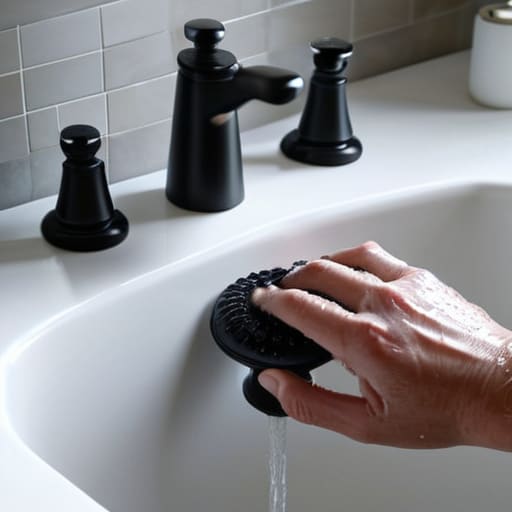
If the baking soda trick didn’t quite do the job, don’t panic—it’s time to bring out the heavy hitters. When it comes to using a plunger effectively, most people make the mistake of just splashing around aimlessly. If you’re tackling a sink, make sure you block the overflow hole with a damp rag first; otherwise, you’re just venting the pressure instead of forcing it against the clog. You want to create a tight seal and use firm, rhythmic plunges to really build up that suction. It’s all about that pressure differential to break the blockage loose.
Now, if the plunger is just bouncing off a stubborn obstruction, you’ll likely need to move on to plumbing snake usage. I know, a drain auger looks a bit intimidating, but it’s basically just a long, flexible spring that goes where your hands can’t. Feed the cable into the pipe until you feel resistance, then give it a little crank. You aren’t trying to smash the clog; you’re trying to hook onto it so you can pull the gunk back out. Once it’s clear, run some hot water to flush everything through.
Pro Tips to Keep the Clogs from Coming Back
- Stop the hair at the source. I learned the hard way that a $5 mesh hair catcher in the shower pays for itself in about two weeks by saving you from a massive headache later.
- Watch what you pour down the kitchen sink. I know it’s tempting to rinse a greasy pan right in the basin, but that fat cools down and turns into literal cement in your pipes. Scrape it into the trash first.
- Give your drains a monthly “maintenance flush.” Once a month, just pour a kettle of boiling water down there. It’s a simple way to melt away any minor buildup before it turns into a full-blown disaster.
- Don’t go overboard with harsh chemicals. I know those heavy-duty liquid cleaners promise magic, but they can actually eat away at your pipes over time. Stick to the natural stuff or mechanical tools whenever you can.
- Listen to your sink. If you notice the water draining a little slower than usual, don’t ignore it. That’s your sign to grab the plunger or the baking soda now, rather than waiting until you’re staring at a sink full of gray water.
Quick Tips to Keep Your Drains Flowing
Start small and gentle; always try the natural stuff like baking soda and vinegar before you reach for the heavy-duty chemicals or a big snake.
Don’t be afraid of a little elbow grease; a plunger only works if you get a good seal and some real pressure behind it.
Prevention is way easier than a repair; catching hair or grease buildup early with a simple strainer or a hot water flush will save you a massive headache down the road.
A Quick Reality Check
“Look, a clogged drain feels like a disaster when you’re staring at a sink full of dirty water, but it’s usually just a minor hurdle. Don’t call the plumber and drop a hundred bucks just yet—most of the time, it’s just a matter of getting a little hands-on and working through it step by step.”
Nathan Cole
You’ve Got This

Look, I know it’s not exactly how you wanted to spend your afternoon, but you’ve already done the heavy lifting. We’ve gone from trying out those simple baking soda and vinegar tricks to getting our hands dirty with a plunger or a plumbing snake. Whether it was a slow sink caused by hair buildup or a stubborn clog that needed a bit more muscle, you didn’t just call a plumber and throw money at the problem. You took a second to actually understand what was going on under the sink, and that’s the most important part. Just remember to keep an eye on those drains moving forward—a little preventative maintenance goes a long way in keeping things flowing smooth.
At the end of the day, my goal is to show you that these little household headaches don’t have to be intimidating. A clogged drain can feel like a huge setback when you’re busy, but it’s really just a puzzle waiting to be solved. Every time you tackle a repair like this yourself, you’re building a toolbox of confidence that stays with you for the next project. So, take a breath, enjoy the sound of that water finally rushing down the drain, and give yourself some credit. You fixed it, you did it on your own terms, and I promise you’re more capable than you think.
Frequently Asked Questions
Is it safe to use store-bought chemical cleaners if the baking soda and vinegar trick doesn't work?
Look, I get the temptation to just pour some heavy-duty chemicals down there and call it a day, but I’d suggest being real careful. Those store-bought cleaners are incredibly harsh; they can eat away at older pipes or even cause a nasty splashback if they don’t clear the clog. If the baking soda trick failed, try a plunger one more time or grab a cheap hand snake before you reach for the liquid acid.
How do I know if the clog is just in the sink or if it's a bigger problem deeper in the main pipes?
That’s the million-dollar question. Here’s the easiest way to tell: check your other fixtures. If it’s just the kitchen sink acting up, you’ve likely got a localized clog in the P-trap or the immediate branch line—totally doable for us. But if you flush the toilet and see bubbles in the sink, or if the shower starts draining slowly when you run the laundry, you’re looking at a main line issue. That’s when it’s time to call in the pros.
Are there any specific tools I should grab if I'm dealing with a stubborn clog in a bathtub versus a kitchen sink?
Yeah, there’s definitely a difference. For a kitchen sink, you’re usually fighting grease or food scraps, so a heavy-duty plunger and a decent drain snake are your best bets. But in the bathtub? It’s almost always hair. I always grab a cheap plastic “zip tool”—it’s basically a flexible strip with barbs that pulls hair clumps right out. It’s a total lifesaver and way easier than tearing into the plumbing.