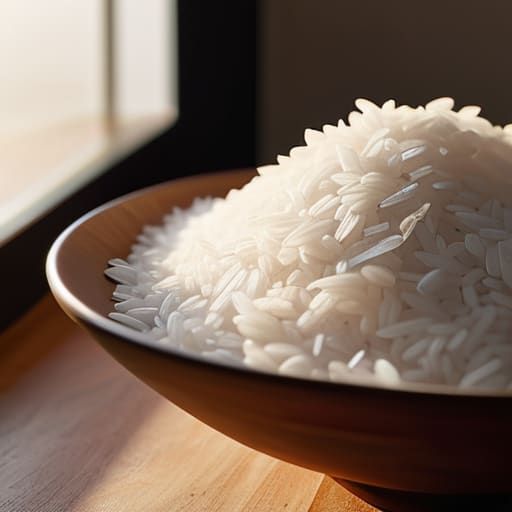
I still remember the first time I tried to make a decent meal in my tiny, cramped apartment back in my early twenties. I was trying to impress a girl, but instead of a fluffy side dish, I ended up with a pot of gummy, semi-translucent sludge that looked more like wallpaper paste than food. It was embarrassing, and honestly, it felt like a total failure. I spent way too many nights staring at a steaming pot, wondering why the instructions on the bag never seemed to match what was actually happening in my kitchen. Learning how to cook rice perfectly shouldn’t feel like a high-stakes chemistry experiment or some mysterious ritual you can only master with a $500 smart cooker.
Look, I’m not here to sell you on some fancy, over-engineered gadget or a complicated set of rules that require a kitchen scale. I’ve spent years tinkering with everything from old power tools to stovetop burners, and I’ve learned that the best results usually come from the simplest methods. In this guide, I’m going to strip away the fluff and give you my straightforward, battle-tested approach. I’ll show you exactly how to get that light, airy texture every single time, so you can stop stressing the stove and just enjoy your dinner.
Table of Contents
Mastering the Rice to Water Ratio Without the Stress
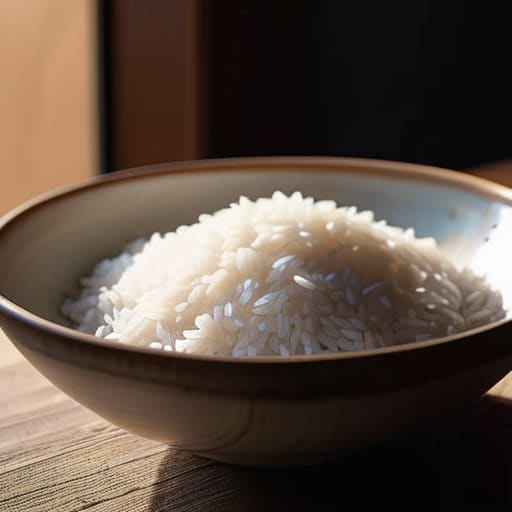
Look, I’ve been there—staring at a pot of gummy, overcooked mush wondering where it all went wrong. Most of the time, the culprit isn’t your skill; it’s just a bad rice to water ratio. If you’re using a standard stovetop rice method, the golden rule for most long-grain white varieties is 1 part rice to 2 parts water. But here’s the thing: I’ve learned that “standard” is a loose term. If you’re using a rice cooker, those machines are pretty smart, but you still want to trust your eyes over the manual sometimes.
One trick I swear by to avoid mushy rice is getting serious about your prep. Don’t just dump the grains in the pot and walk away. Rinsing white rice under cold water until it runs clear is a total game-changer; it washes off that excess surface starch that turns your dinner into a sticky mess. Once you’ve got that starch under control, you’re already halfway to a perfect bowl. It’s a small habit, but it makes a massive difference in the final texture.
Why Rinsing White Rice Changes Everything
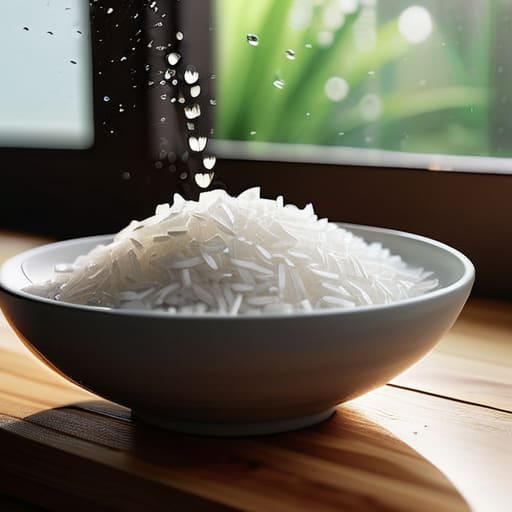
If you’ve ever pulled a pot off the burner only to find a gummy, clumped-up mess, I’ve been there. It’s frustrating, especially when you’ve followed the recipe to a T. Most of the time, the culprit isn’t your heat control or your pot; it’s the surface starch. When you buy a bag of white rice, it’s coated in a fine, powdery starch. If you don’t get rid of that extra layer, it turns into a kind of “glue” during the cooking process, which is the fastest way to end up avoiding mushy rice becomes your new full-time job.
Think of rinsing white rice like washing the dust off a piece of lumber before you start building. You wouldn’t try to glue two pieces of wood together if they were covered in sawdust, right? It’s the same logic here. By running your rice under cold water in a fine-mesh strainer until the water runs clear, you’re stripping away that excess starch. This simple step ensures that each grain stays distinct, light, and fluffy once it hits the plate. It’s a small bit of extra work, but I promise it’s the secret weapon for better texture.
Five Little Tricks to Level Up Your Rice Game
- Stop the stir. Once you’ve got your rice and water in the pot and it’s reached a simmer, put a lid on it and leave it alone. If you keep lifting the lid to peek, you’re letting all that precious steam escape, and that’s how you end up with unevenly cooked grains.
- Let it rest before you touch it. This is the hardest part for me, but once the timer goes off, pull the pot off the heat and let it sit, covered, for about 10 minutes. It lets the moisture redistribute so the bottom layer isn’t a swamp while the top is dry.
- Use the right gear. If you’ve got a heavy-bottomed pot, use it. Thin, cheap pots tend to have hot spots that scorch the rice at the bottom before the rest is even soft. A little extra weight goes a long way in keeping things even.
- Fluff, don’t mash. When you finally go in with a fork or a rice paddle, be gentle. You want to lift and aerate those grains, not smash them into a paste. A light touch is the difference between fluffy rice and a gummy mess.
- Watch your heat. High heat doesn’t mean faster rice; it just means burnt rice. Once you hit that simmer, drop it down low. You want a gentle, steady heat that works with the steam, not a rolling boil that’s fighting against it.
The Quick Cheat Sheet for Perfect Rice
Stop eyeballing the liquid; stick to a reliable ratio (like 1:2 for standard white rice) so you aren’t stuck eating mush or crunching on undercooked grains.
Never skip the rinse—washing that extra starch away is the secret to getting fluffy, individual grains instead of one big sticky clump.
Patience is your best tool; once the timer goes off, let the pot sit covered for a few minutes to let the steam finish the job properly.
## The Secret to Not Wasting a Batch
“Look, you don’t need a fancy kitchen or a degree in culinary arts to get great rice; you just need to stop treating it like a ‘set it and forget it’ task and start respecting the rinse and the ratio. Once you nail those two things, you’ll stop throwing away mushy, half-eaten pots and start actually enjoying your dinner.”
Nathan Cole
You've Got This
At the end of the day, nailing the perfect pot of rice really just comes down to a few fundamental habits. Remember to rinse that starch away before the heat ever touches the pot, and don’t go overboard with the water—stick to your ratio so you don’t end up with a gummy mess. Once you get the heat dialed in and let it steam undisturbed, you’re basically a pro. It’s all about respecting the process and giving those grains the time they need to absorb everything properly without being rushed.
I know it might feel a little intimidating the first time you stand over a steaming pot, but I promise you, it gets easier every single time you try. Don’t sweat it if your first batch isn’t a total masterpiece; even the best cooks have dealt with a little extra moisture or a slightly crunchy grain now and then. The goal isn’t perfection on day one; it’s about building your confidence in the kitchen. So, grab your pot, trust your instincts, and get cooking. You’ll be surprised at how much better it tastes when you know you built it from scratch.
Frequently Asked Questions
What if I accidentally add too much water and end up with a gummy mess?
Look, we’ve all been there—you check the pot and it’s looking more like porridge than fluffy rice. Don’t toss it yet! If it’s just a little gummy, spread the rice out thin on a large baking sheet to let the steam escape and dry it out. If it’s a total mush-fest, don’t sweat it. Just lean into it: use that “failed” rice for a quick fried rice or a savory rice pudding.
Do I really need to use a specific kind of pot, or will any old saucepan work?
Look, you don’t need to go out and drop a hundred bucks on some fancy, high-tech rice cooker to get this right. Any old saucepan with a tight-fitting lid will do the trick. The real secret isn’t the brand of the pot; it’s making sure that lid actually stays put. If steam escapes, your water levels get wonky and you’ll end up with crunchy rice. Just find something heavy-bottomed if you can.
Can I use this same method for brown rice, or is that a whole different ballgame?
It’s a different ballgame, but don’t let that throw you. Brown rice is a bit more stubborn because of that outer bran layer, so you can’t just treat it like white rice and expect magic. You’ll need more water and a longer soak or simmer time to get it tender. Think of it like a slow-cook project versus a quick fix—it takes a little more patience, but the results are worth it.