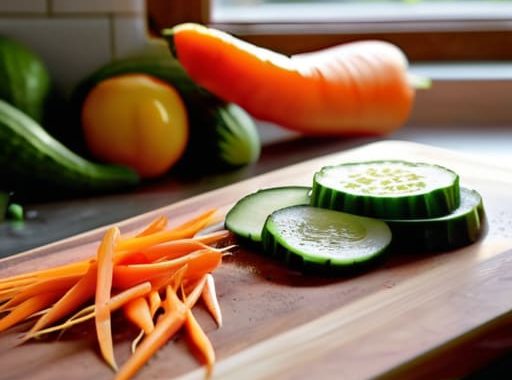
I still remember standing in my first tiny apartment kitchen, staring down a massive pile of carrots and bell peppers like they were some kind of complex engineering project I wasn’t qualified to tackle. I had spent way too much money on fancy, specialized gadgets that promised to make life easy, but all they did was take up space in my drawer and leave me more frustrated than when I started. Honestly, most of the “expert” advice out there on how to prep vegetables makes it sound like you need a culinary degree and a kitchen full of expensive gear just to make a decent stir-fry. It’s a total myth that you need to be a pro to get things ready for the pan; you just need a solid plan and the right mindset.
I’m not here to sell you on some high-end mandoline or a dozen different specialized slicers. Instead, I’m going to show you how to strip away the intimidation and get the job done using what you actually have on hand. We’re going to break this down into simple, repeatable steps so you can master how to prep vegetables without the headache. My goal is to help you work smarter, not harder, so you can spend less time hovering over a cutting board and more time actually enjoying your meal.
Table of Contents
Mastering Basic Knife Skills for Cooking Without the Stress
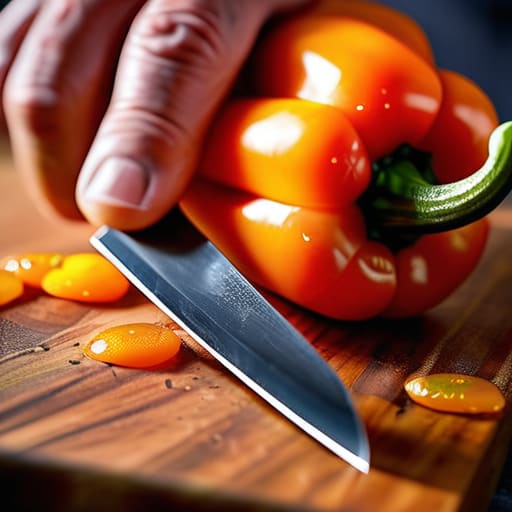
Look, I’ll be the first to admit that my first few attempts at chopping were pretty terrifying. I spent more time worrying about my fingertips than the actual food. But once I realized that knife skills for cooking aren’t some mystical talent you’re born with, everything changed. It’s really just about mechanics. You need a sharp blade—a dull knife is actually more dangerous because it slips—and you need to learn the “claw grip.” By tucking your fingertips inward and using your knuckles to guide the blade, you create a physical barrier that keeps you safe.
Once you get that rhythm down, you’ll stop seeing a pile of produce as a chore and start seeing it as a way to speed up your entire week. Mastering these basics is the real secret to successful meal prep for beginners; if you can dice an onion or slice a bell pepper in thirty seconds without breaking a sweat, you’ve already won half the battle. It’s about building muscle memory so that when you’re tired after a long shift, the kitchen feels like a place of control rather than a source of stress.
The Right Kitchen Tools for Veggie Prep Made Easy
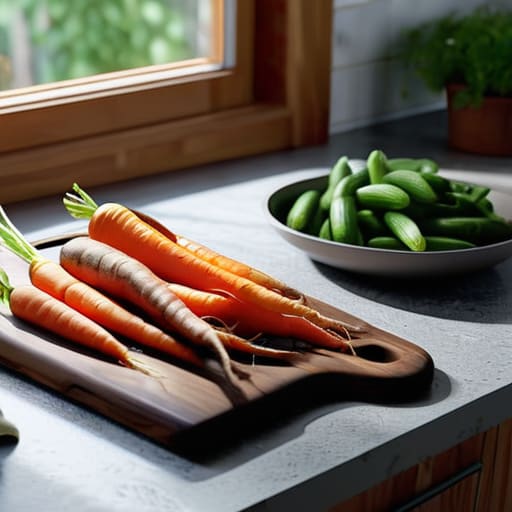
Look, you don’t need a professional chef’s arsenal or a kitchen full of gadgets to get this done right. I’ve learned the hard way that buying every single specialized slicer on the market is just a fast track to a cluttered drawer and a lighter wallet. For me, it really comes down to the essentials. A solid, heavy-duty cutting board—preferably one that won’t slide around while you’re working—is your foundation. If you’re just starting out with meal prep for beginners, don’t skip on a decent vegetable peeler. A cheap one that skips and catches is going to frustrate you more than it helps.
Once you’ve got your blade and your board, think about the little things that make life easier. I always keep a handful of small bowls or “prep bowls” nearby. They’re lifesavers for keeping your chopped goods organized so they don’t just end up in a messy pile on the counter. If you’re big into batch cooking vegetables for the week, having a few high-quality, airtight containers ready to go is a total game-changer. It turns a chaotic chopping session into a streamlined process that actually feels rewarding instead of overwhelming.
Five Pro-Tips to Save Your Sanity (and Your Fingers)
- Wash your veggies before you start chopping, not after. If you chop them first, you’ll end up with a messy pile of wet bits that are impossible to dice properly. Just give them a quick rinse, pat them dry with a towel, and you’re good to go.
- Don’t try to tackle the whole mountain at once. If you’re staring at a massive bag of carrots and three heads of broccoli, it feels overwhelming. Break it down: prep all your onions first, then move to the peppers. Small wins keep you from quitting halfway through.
- Keep a “scrap bowl” on your counter. One of my biggest pet peeves is constantly walking back and forth to the trash can with a knife in my hand. Keep a big bowl right next to your cutting board for peels, ends, and stems to keep your workspace clear.
- Size matters—keep it consistent. If you’re making a stir-fry, try to get your pieces roughly the same size. It’s not just about looking pretty; it ensures everything cooks at the same rate so you don’t end up with some mushy bits and some crunchy ones.
- Work in stages to avoid the “prep fatigue” slump. If you have a big meal coming up, prep your veggies a few hours early or even the night before. Just make sure you store them in airtight containers so they stay crisp and don’t turn into a sad, wilted mess in the fridge.
Quick Wins to Keep You Moving
Don’t overthink it—the goal isn’t to look like a Michelin-star chef, it’s just to get the pieces uniform enough so they cook evenly.
Set yourself up for success by doing the “boring” stuff like washing and drying your veggies before you even touch a knife.
Work in small batches to avoid feeling overwhelmed; if a whole bag of carrots looks daunting, just focus on one or two at a time.
## My Philosophy on the Prep Work
“Look, I know staring at a mountain of unpeeled carrots and whole onions can feel like a chore you’d rather skip, but once you get into a rhythm, it’s actually the most relaxing part of the whole process. Don’t aim for Michelin-star perfection; just aim for pieces that cook at the same rate, and you’re already winning.”
Nathan Cole
You’ve Got This
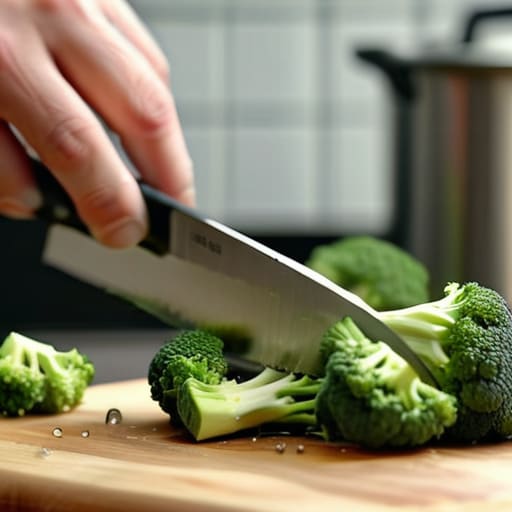
At the end of the day, getting your veggies ready isn’t about being a professional chef or having a kitchen that looks like a magazine spread. It’s really just about having the right tools in your hand and a little bit of confidence in your grip. We’ve covered how to pick a knife that actually works for you, the gear that makes the heavy lifting easier, and the basic cuts that will keep you from feeling overwhelmed when the stove is heating up. Once you stop looking at a whole head of broccoli as a daunting task and start seeing it as just a few simple, repeatable movements, the whole process changes. Remember, prep work is the foundation of every great meal, and getting it right now means you won’t be scrambling later.
I know it can feel like a chore when you’re tired after a long shift, but I promise you, once you find your rhythm, it becomes almost meditative. Don’t aim for perfection on your first try; aim for progress. If your carrots aren’t perfectly uniform or your onions look a little wonky, it doesn’t matter—they’re still going to taste delicious once they hit the pan. The goal is to make cooking feel less like a mountain you have to climb and more like something you can actually handle. So, grab that cutting board, take a deep breath, and just start chopping. You’ll be surprised at how quickly it all clicks.
Frequently Asked Questions
How do I keep my chopped veggies from turning brown if I'm prepping them a day ahead?
I’ve been there—you spend an hour chopping, only to open the fridge the next day and find a mess of brown, mushy bits. To keep things fresh, the secret is controlling oxygen. For things like potatoes or apples, keep them submerged in a bowl of cold water in the fridge. For everything else, toss them in an airtight container or a heavy-duty zip-top bag, squeezing out every bit of air before sealing it up.
Do I really need a fancy mandoline, or can I get away with just a regular knife?
Look, I’ll be honest: you don’t need a fancy mandoline. I’ve spent plenty of nights just using a sharp chef’s knife, and honestly, it gets the job done 90% of the time. If you’re just slicing onions or cucumbers for a salad, a knife is perfect. But if you’re aiming for those paper-thin potato slices for a gratin? That’s where the mandoline earns its keep. Just watch your fingers—those things are no joke.
What's the best way to organize my workspace so I'm not staring at a mountain of scraps?
Look, I’ve been there—standing over a cutting board buried in onion skins and carrot tops, feeling like I’m losing the battle. My trick? The “Scrap Bowl” method. Keep a large, sturdy bowl right next to your prep area. As you peel or chop, toss everything straight in there. It keeps your workspace clear and saves you from constant trips to the trash. Plus, if you’re smart, those scraps become gold for a homemade veggie stock later!