Look, I’m going to say it: you don’t need a $500 espresso machine or a degree in chemistry to stop drinking that bitter, burnt sludge from your old drip pot. I spent way too many years thinking that learning how to make coffee at home meant buying every shiny gadget on the market just to feel like I was doing it “right.” It’s total nonsense. Most of those fancy coffee shops are just selling you a high price tag and a lot of complicated jargon that makes a simple morning ritual feel like a chore.
I’m here to cut through all that noise and get down to the brass tacks. I’ve spent years tinkering with different beans, grinders, and methods in my own kitchen, and I’ve learned that the best cup is usually the one that’s easiest to pull off. In this guide, I’m going to show you exactly how to level up your morning routine using simple, repeatable steps and gear you probably already own. No hype, no expensive nonsense—just the straight-up truth on how to brew a cup that actually tastes incredible.
Table of Contents
Choosing the Best Coffee Brewing Methods for Your Lifestyle
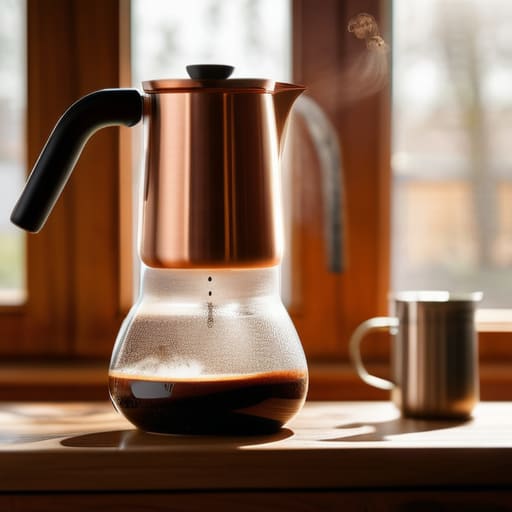
Before you go out and drop a fortune on fancy gear, you’ve got to figure out what your morning routine actually looks like. Are you the type who needs to grab a mug and sprint out the door, or do you enjoy sitting by the window for ten minutes while the water drips? If you’re short on time, a simple French press or an auto-drip machine is your best friend. However, if you want to really dive into improving coffee flavor profile and controlling every single variable, you might want to look into manual methods.
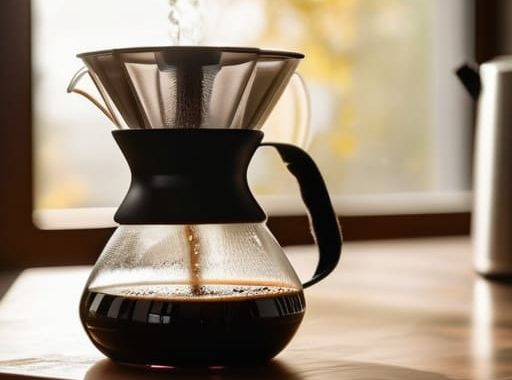
When I first started, I spent way too much time debating pour over vs french press, trying to decide if the extra effort was worth it. Honestly, it comes down to your patience. A pour over gives you a clean, bright cup, but it takes some practice to get the technique right. If you’re just starting out, don’t stress about buying the most expensive coffee brewing equipment for beginners. Just pick a method that fits your pace, and I promise you’ll be making a killer cup in no time.
Picking the Right Coffee Brewing Equipment for Beginners
Look, I get it—walking into a kitchen supply store or scrolling through Amazon can feel like staring at a cockpit of a jet fighter. You don’t need a thousand-dollar espresso machine to get a decent cup, and honestly, most of those fancy gadgets just end up gathering dust under the sink. When you’re looking for coffee brewing equipment for beginners, my best advice is to start small and focus on one method that fits your morning routine.
If you’re someone who likes a bit of a ritual and a clean, crisp cup, a simple pour-over setup is the way to go. On the flip side, if you prefer something heavy-bodied and bold, you might find yourself leaning toward a French press. It’s the classic pour over vs french press debate, and there’s no wrong answer here—it’s all about what you actually enjoy drinking. Just remember, no matter which tool you pick, the real secret to improving coffee flavor profile isn’t actually the machine; it’s using high-quality beans and making sure you aren’t burning them with boiling water.
5 Pro Tips to Level Up Your Morning Cup
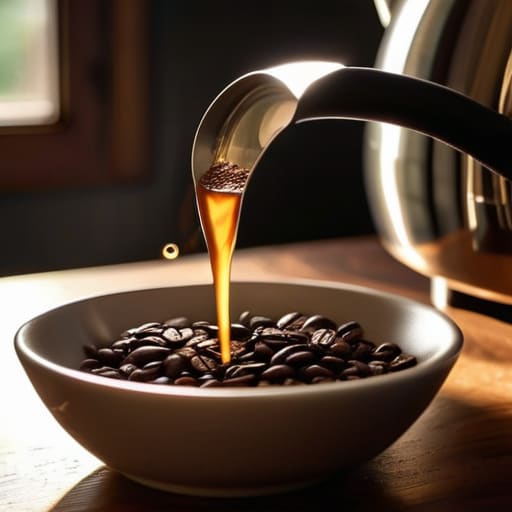
- Get your beans fresh. Seriously, don’t buy those pre-ground bags that have been sitting on a grocery store shelf for months. Grab whole beans and look for a “roasted on” date. If the bag doesn’t have one, keep walking. Freshness is the biggest difference between a cup that tastes okay and a cup that tastes incredible.
- Invest in a decent grinder. I know, it’s one more thing to clean, but it’s the single best upgrade you can make. A consistent grind is the secret sauce to even extraction. If your grounds are all different sizes, some will be bitter and others will be sour, and you’ll never get that perfect balance.
- Watch your water temperature. You don’t need a laboratory-grade thermometer, but don’t use boiling water straight off the stove. If it’s too hot, you’re going to scorch the grounds and end up with a bitter mess. Let the kettle sit for about a minute after it whistles, and you’ll be in the sweet spot.
- Use a scale instead of spoons. I used to be a “heaping tablespoon” kind of guy, but it’s way too inconsistent. If you want your coffee to taste the same every single morning, weigh your coffee and your water. It takes an extra thirty seconds, but it takes all the guesswork out of the equation.
- Don’t ignore your cleanup. This sounds like something my dad would say, but it’s true. Old coffee oils build up in your carafe or French press and go rancid. If you don’t scrub your gear after every use, your “fresh” morning brew is going to taste like last week’s leftovers.
Quick Tips to Get You Brewing
Don’t go overboard with expensive gear right away; start with a method that fits your morning routine and your budget.
Freshness is everything, so try to buy whole beans and grind them right before you brew for that much better flavor.
Treat it like any other DIY project—don’t sweat the small mistakes, just keep tweaking your technique until it tastes exactly how you like it.
## The Secret to a Great Cup
“You don’t need a thousand-dollar espresso machine or a degree in chemistry to make a killer cup of coffee; you just need a little bit of patience, the right beans, and the confidence to know that you can nail it yourself.”
Nathan Cole
Getting Started with Your Home Brew
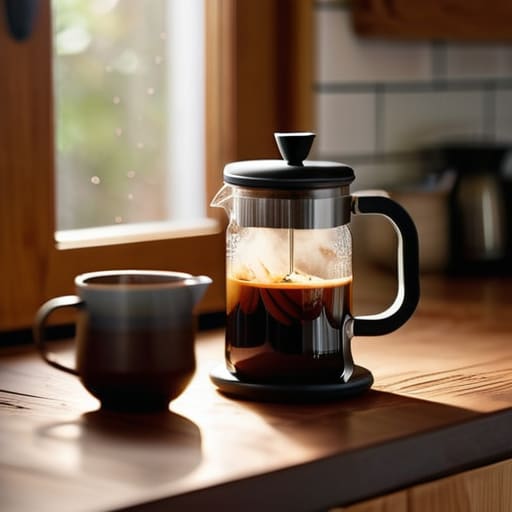
At the end of the day, making great coffee at home really comes down to three simple things: picking a method that actually fits your morning routine, grabbing gear that won’t break the bank, and not being afraid to mess up a few cups along the way. Whether you went with a classic French press for those slow Saturday mornings or a quick pour-over to get you out the door on a Tuesday, the goal is to find what works for you. You don’t need a thousand-dollar espresso machine or a degree in chemistry to enjoy a killer cup; you just need the right basics and a little bit of patience while you dial in your technique.
I know it can feel a bit overwhelming when you’re staring at a wall of different beans and gadgets, but trust me, you’ve got this. My best advice is to just dive in and start experimenting. If a batch tastes a little too bitter or a bit weak, don’t sweat it—that’s just part of the learning process. Every “bad” cup is just one step closer to finding your perfect brew. Once you nail that first delicious, steaming mug that you made entirely with your own two hands, you’ll realize that everything is figure-out-able. Now, go grab your gear and get brewing!
Frequently Asked Questions
How much money am I actually going to spend on beans and gear every month?
Let’s talk numbers, because I know a tight budget when I see one. If you’re starting fresh, your biggest upfront cost is the gear—maybe $50 to $100 for a decent starter setup. After that, it’s all about the beans. If you grab a good bag of local roast once a week, you’re looking at roughly $15 to $25 a month. It’s way cheaper than that daily $5 cafe run, trust me.
Do I really need to buy a fancy grinder, or can I just use whatever I have in the kitchen?
Look, I’ll be straight with you: if you’ve got a decent electric blade grinder or even a mortar and pestle, you can get by for a bit. But if you’re serious about flavor, a burr grinder is the one tool worth your money. Blade grinders chop beans unevenly, which makes your coffee taste bitter or sour. If your budget is tight, start with what you have, but upgrade to a burr grinder as soon as you can.
What's the easiest way to keep my equipment clean so the coffee doesn't start tasting weird?
Look, nothing kills a good morning faster than a cup that tastes like old, burnt oil. The secret isn’t fancy chemicals; it’s just consistency. I make it a rule to rinse my gear immediately after every use. For my French press or pour-over, I give them a quick scrub with warm, soapy water and let them air dry completely. If you let those oils sit, they go rancid, and that’s when things get funky.