I remember sitting on my floor three years ago, staring at a tangled bird’s nest of thread and a pile of expensive fabric, feeling like a total idiot. I’d bought this fancy kit because a video made it look easy, but all I ended up with was a ruined shirt and a massive headache. Most people will tell you that you need a $500 machine and a studio full of specialized tools to get started, but honestly? That’s a load of junk. You don’t need a masterclass to master the sewing basics for beginners; you just need to stop overcomplicating the process and get your hands dirty.
I’m not here to feed you some polished, perfect version of crafting that looks like a Pinterest board. I want to show you the real way to do this—the way that involves a few mistakes, a lot of unpicking seams, and a whole lot of figuring it out as you go. My goal is to strip away the intimidation and give you a straight-up, no-nonsense roadmap. We’re going to break this down into simple, manageable steps so you can actually finish a project and feel that massive sense of pride that comes from making something yourself.
Table of Contents
Your Essential Sewing Machine Tools and Supplies List
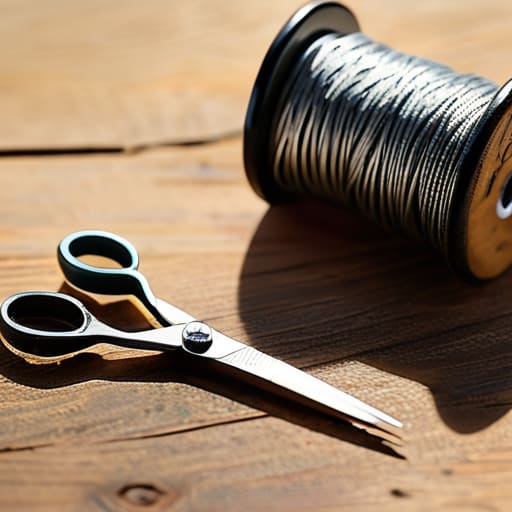
Before you dive into your first project, you don’t need to go out and buy a massive, expensive kit that takes up half your closet. I’ve learned the hard way that starting with too much gear just leads to clutter. Instead, focus on a solid sewing notions and supplies list that covers the fundamentals. You’ll definitely need a decent pair of fabric shears—and please, for the love of all things holy, never use them on paper—a seam ripper (your new best friend when things go sideways), a handful of versatile all-purpose pins, and a good measuring tape.
Beyond the handheld stuff, your machine needs a few specific companions to actually function. Make sure you have a variety of thread colors and a few extra universal needles on hand. If you’re working with anything more specific, like stretchy knits or heavy denim, you’ll want to research different sewing fabric types for novices so you don’t snap a needle mid-stitch. Getting these basics right from day one means you won’t be pausing every five minutes to run back to the craft store.
How to Thread a Sewing Machine Without the Stress
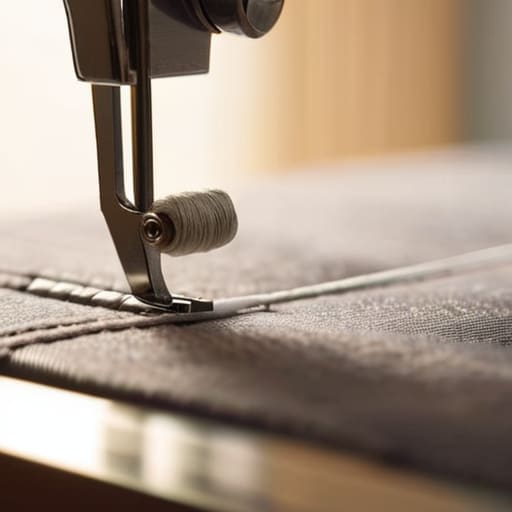
I’ll be honest: the first time I sat down in front of a sewing machine, I felt like I was trying to pilot a cockpit. There are so many little loops, levers, and tension dials that it’s easy to feel overwhelmed. But here’s the secret—learning how to thread a sewing machine isn’t about memorizing a complex blueprint; it’s just about following a path. Most machines actually have a little numbered guide etched right into the plastic or printed in the manual. I always tell people to take a deep breath and treat it like a scavenger hunt. If you follow the numbers in order, you’re almost guaranteed to succeed.
One of the most common sewing mistakes to avoid is rushing this part or skipping a single guide. If you miss one tiny loop, your thread won’t tension right, and you’ll end up with a bird’s nest of tangled mess under your fabric. Before you even touch the thread, make sure your bobbin is wound evenly and seated correctly in its housing. Once you’ve got the top thread through the guides and the needle, give it a little tug to make sure it’s seated. If it feels secure, you’re ready to go.
Five ways to keep your first sewing project from turning into a total mess
- Don’t go overboard on the fabric aisle. I know, those fancy silks and heavy denims look amazing, but for your first few runs, stick to a simple cotton quilting fabric. It doesn’t slip around under the needle, which means you won’t be fighting your machine every two seconds.
- Ironing isn’t just for your work shirts. Seriously, if you want your seams to actually look like they belong on a piece of clothing and not a crumpled paper bag, you’ve got to press them as you go. A quick pass with the iron makes a world of difference in how professional your project looks.
- Get yourself a decent pair of fabric shears and—I cannot stress this enough—never, ever use them to cut paper. I learned that the hard way back in my twenties. Paper dulls the blades instantly, and once those scissors are dull, they’ll chew up your fabric instead of cutting it.
- Slow down your foot pedal. When you’re starting out, it’s tempting to just stomp on that pedal to get the job done, but that’s how you end up with a bird’s nest of tangled thread. Treat it like a car: ease into the gas, find your rhythm, and keep a steady, slow pace.
- Embrace the “seam ripper” lifestyle. You are going to make mistakes. I make them every single time I sit down to sew. Don’t let a crooked line ruin your mood; just grab your seam ripper, undo the mess, and try again. It’s not a failure, it’s just part of the process.
Quick wins to keep you moving
Don’t go overboard at the craft store; stick to the basics like good fabric shears and a handful of versatile threads so you don’t get overwhelmed (or broke) before you even start.
If you get stuck threading the machine, don’t sweat it—just slow down, follow the arrows, and remember that even the pros have to double-check their work sometimes.
The goal isn’t perfection on your first try; it’s about getting that first straight line down so you can build the confidence to tackle bigger projects.
My philosophy on getting started
“Look, you’re probably going to bird-nest your thread or sew a seam crooked at first, and that is totally fine. Don’t let a bit of tangled string convince you that you aren’t cut out for this; sewing isn’t about being perfect, it’s just about being patient enough to figure it out one stitch at a time.”
Nathan Cole
You've Got This
Look, I know it can feel like a lot when you first sit down in front of a machine. Between getting your supplies organized and finally figuring out that tricky threading process, it’s easy to feel a bit overwhelmed. But just remember: you’ve already done the hardest part by actually starting. You’ve got your tools ready, you know your way around the thread, and you’ve cleared the biggest hurdles that stop most people before they even take their first stitch. Once you get those fundamentals down, everything else—from sewing a straight seam to fixing a loose hem—is just a matter of consistent practice and patience.
My biggest piece of advice? Don’t aim for perfection on your first go. I’ve ruined more pieces of fabric than I care to admit, and honestly, that’s just part of the learning curve. Every crooked stitch or tangled thread is just a lesson in disguise. The goal isn’t to be a master tailor by next Tuesday; it’s to realize that you have the power to create something with your own two hands. So, grab that fabric, push that pedal, and don’t be afraid to make a mess. You’re doing great, and I can’t wait to see what you build next.
Frequently Asked Questions
I’ve got my machine and thread, but what kind of fabric should I actually start with so I don't end up frustrated?
Look, don’t go buying any fancy silk or stretchy jersey just yet. If you try to sew something slippery or super thin, you’re going to end up fighting the machine, and that’s a quick way to lose your mojo. Stick to a mid-weight, 100% cotton—think an old bedsheet or a basic quilting cotton. It stays put, it’s easy to pin, and it actually behaves when you’re trying to guide it through the needle.
How do I know if I'm sewing a straight line or if I'm accidentally veering off course?
Look, I’ve been there—staring at a seam that’s suddenly decided to take a scenic detour. The trick is to stop looking at the needle and start looking at the edge of your fabric. Use that edge like a literal guide rail. If you’re still struggling, grab some masking tape and stick a straight line on your machine’s throat plate. It sounds low-tech, but having a visual “road” to follow makes all the difference.
Is it worth buying a fancy sewing machine right away, or should I just stick with a basic one until I know what I'm doing?
Look, I’ve been there—standing in the middle of a big-box store aisle, staring at a machine that looks like it belongs on a spaceship. Here’s my take: don’t break the bank just yet. You don’t need a thousand-dollar computerized beast to sew a straight line or fix a hem. Grab a reliable, mid-range mechanical machine. It’s sturdier, easier to learn, and won’t make you wince if you accidentally jam a needle. Master the basics first; upgrade once you actually need the fancy stuff.