
I remember sitting in my first tiny studio apartment after trade school, staring at a receipt from the grocery store that looked more like a car payment than a food bill. I was convinced that eating well meant buying fancy organic produce or those pre-packaged “superfood” kits that cost a fortune. But honestly? Most of those “cheap eating” gurus make it sound way harder than it actually is, pushing complicated recipes that require ingredients you’ll only use once. I’m tired of the idea that budget friendly meals have to be boring, bland, or involve nothing but canned beans and sadness.
I’m not here to sell you on some lifestyle overhaul or a pantry full of expensive spices you don’t need. My goal is to show you how to use common-sense cooking to turn basic, affordable staples into something you actually look forward to eating. I’ve spent years tinkering in my kitchen, figuring out how to stretch a few dollars without sacrificing flavor, and I’m going to break it all down into simple, manageable steps. We’re going to focus on real food, real prices, and recipes that won’t leave you feeling broke or hungry.
Table of Contents
- Low Cost Grocery Shopping Tips You Can Use Today
- Finding Cheap Protein Sources Without Breaking the Bank
- 5 Ways to Build a Solid Meal Without the Sticker Shock
- The Bottom Line on Eating Well for Less
- ## The Real Secret to Eating Well on a Budget
- Putting It All Into Practice
- Frequently Asked Questions
Low Cost Grocery Shopping Tips You Can Use Today
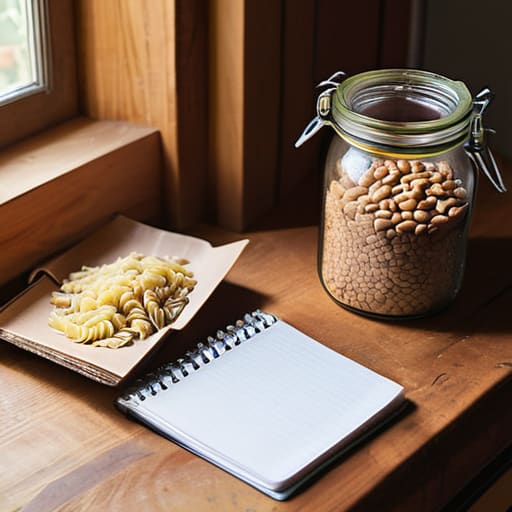
Before you even step foot in the store, you’ve got to have a game plan. I used to wander the aisles aimlessly, grabbing whatever looked good in the moment, only to realize I’d spent fifty bucks on stuff I wouldn’t even eat by Thursday. Now, I treat my shopping trip like a construction project: you need a blueprint. Start by auditing what you already have in your cupboards. If you’ve got a half-box of pasta and a jar of marinara hiding in the back, that’s a head start. I always try to focus on cheap protein sources like dried beans, lentils, or even canned tuna to keep the bill down without sacrificing the heavy lifting your body needs.
Another thing that saved my sanity (and my wallet) was learning how to shop the perimeter. The middle aisles are where the fancy, overpriced processed stuff lives. Instead, stick to the produce and bulk sections. If you can master a few pantry staple recipes, you’ll find that you aren’t just saving money; you’re actually eating better because you’re relying on real, whole ingredients rather than expensive, pre-packaged junk.
Finding Cheap Protein Sources Without Breaking the Bank
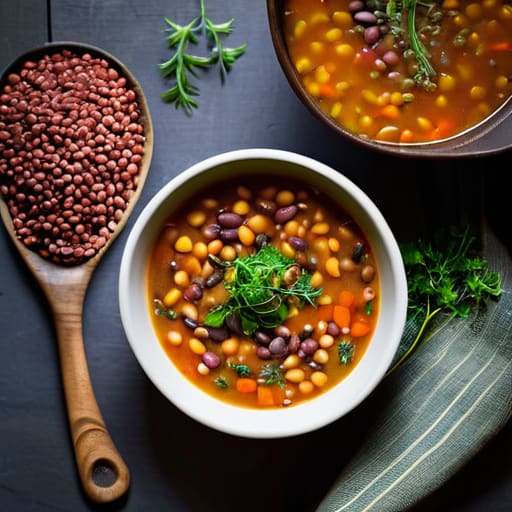
When I first started living on my own, I thought “protein” meant expensive cuts of steak or fancy salmon fillets. I was wrong. If you want to master eating well on a tight budget, you have to stop looking at the meat aisle as your only option and start looking at your pantry. Beans, lentils, and chickpeas are absolute game-changers. They’re incredibly shelf-stable, and a single bag of dried lentils costs next to nothing compared to a pound of ground beef. I usually keep a few different kinds on hand for quick soups or taco fillings; they bulk up a meal without draining your wallet.
Don’t sleep on eggs or canned tuna, either. Eggs are probably the most versatile tool in my kitchen—you can scramble them, poach them, or hard-boil them for a quick snack. If you’re into meal prepping for beginners, these are your best friends because they don’t require a ton of prep time. Even frozen chicken thighs can be a much more affordable way to get your fix than buying boneless, skinless breasts. It’s all about making smart swaps that keep you full without the “sticker shock” at the register.
5 Ways to Build a Solid Meal Without the Sticker Shock
- Master the art of the “pantry staple” base. I’m talking about big bags of rice, dried lentils, and oats. They cost pennies per serving and act as the perfect blank canvas for whatever random veggies or seasonings you have left in the cupboard.
- Don’t sleep on frozen veggies. Honestly, half the time they’re fresher than the stuff sitting in the produce bin for a week, and they’re way cheaper. Plus, you won’t end up throwing a bag of slimy spinach in the trash at the end of the month.
- Get comfortable with “Cook Once, Eat Twice.” I never cook just one meal anymore. If I’m roasting chicken or boiling a big pot of chili, I make enough to turn it into something completely different the next night. It saves time and keeps you from ordering takeout when you’re tired.
- Shop your own kitchen before you hit the store. It sounds simple, but I’ve lost count of how many times I went to the grocery store only to realize I already had three cans of black beans hiding in the back of my pantry. Check your shelves first to avoid buying duplicates.
- Embrace the “Everything” Soup or Stir-fry. This is my favorite trick for when the fridge looks a little sad. Take whatever wilting carrots, half an onion, or leftover bits of meat you have, toss them in a pan with some soy sauce or a bouillon cube, and you’ve got a decent dinner.
The Bottom Line on Eating Well for Less
Stop viewing a budget as a restriction and start seeing it as a puzzle; once you know how to shop the sales and swap expensive proteins for smarter ones, the “puzzle” actually becomes pretty fun to solve.
Focus on the basics—staples like grains, beans, and seasonal produce are your best friends because they fill you up without draining your bank account.
Don’t try to overhaul your entire kitchen overnight; just pick one or two of these simple shifts, master them, and you’ll see your grocery bill drop before you know it.
## The Real Secret to Eating Well on a Budget
“At the end of the day, cooking on a budget isn’t about deprivation or eating bland stuff; it’s just about being a little smarter with your tools and your grocery list so you can actually enjoy your dinner without checking your bank balance first.”
Nathan Cole
Putting It All Into Practice
Look, I know that staring at a grocery receipt can feel a bit like looking at a broken engine—it’s overwhelming and you’re not quite sure where the leak is. But if you take what we talked about today and apply it, you’ll see the math start to work in your favor. By hitting the grocery store with a solid plan, focusing on those versatile, low-cost proteins, and shopping smarter rather than harder, you’re doing more than just saving a few bucks. You’re actually taking control of your kitchen and your wallet at the same time. It’s not about being perfect or following a rigid, expensive diet; it’s about making those small, smart adjustments that add up over a month.
At the end of the day, cooking for yourself shouldn’t feel like a chore or a financial burden. It’s a skill, just like fixing a leaky sink or troubleshooting a glitchy router, and like any skill, you’re going to get better with practice. Don’t get discouraged if your first few budget-friendly meals aren’t five-star restaurant quality. The goal is to feed yourself well without the stress. Just grab your list, head to the store, and remember that you’ve totally got this. I’ll see you in the next one!
Frequently Asked Questions
How do I make sure I'm actually getting enough nutrition if I'm mostly eating cheaper staples like beans and rice?
That’s a fair concern. I used to worry I was just running on carbs, too. The trick is to stop thinking of beans and rice as “filler” and start seeing them as a foundation. To round things out, I always try to toss in some frozen veggies—they’re cheap, won’t spoil, and pack a punch—and maybe a handful of seeds or some leafy greens. It’s all about adding those small, colorful layers to keep your body fueled.
What are some ways to prep these meals ahead of time so I don't end up ordering takeout when I'm tired after work?
Look, I’ve been there—staring at the fridge at 6:00 PM, too exhausted to move, and halfway through clicking “order” on a pizza app. To beat that, you’ve gotta do the heavy lifting early. I like to spend Sunday afternoon “component prepping.” Instead of full meals, just cook a big batch of grains, roast a tray of veggies, and prep your protein. When you’re wiped out on Tuesday, you just grab a bowl, toss it together, and you’re done.
Is it really worth buying in bulk, or am I just going to end up with a pantry full of stuff that goes bad before I use it?
Look, I’ve been there—staring at a massive bag of flour I used once and then forgot about for six months. The honest answer? It depends on what you’re buying. Stick to the “dry and durable” rule. Bulk up on stuff like rice, beans, pasta, or oats; those things aren’t going anywhere. But skip the bulk deals on fresh produce or fancy sauces. If it’s going to rot before you finish it, it’s not a deal—it’s a waste.