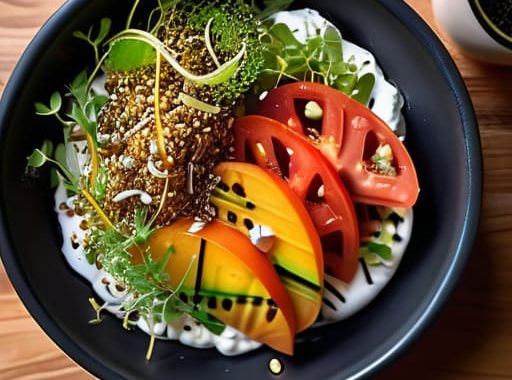
I used to think a “good” salad meant spending twenty bucks on a pre-washed bag of organic kale and some tiny, expensive feta crumbles that tasted like nothing. Honestly, that’s a total scam. For years, I was stuck eating those sad, limp bowls of lettuce that felt more like a chore than a meal, wondering why I couldn’t figure out how to make salad interesting without breaking the bank or spending an hour in the kitchen. I figured if I wasn’t a gourmet chef, I was just destined to chew on boring leaves until dinner was actually ready.
But here’s the thing: you don’t need a culinary degree or a massive grocery budget to fix that. I’ve spent plenty of time tinkering in my kitchen, and I’ve learned that a great salad is really just about smart assembly. In this guide, I’m going to show you my straightforward, no-nonsense method for building bowls that actually satisfy. We’re going to talk about textures, simple flavor hacks, and how to use what you’ve already got in the pantry to make sure you never eat a boring meal again.
Table of Contents
Mastering Flavor Balancing in Salads Without a Recipe Book
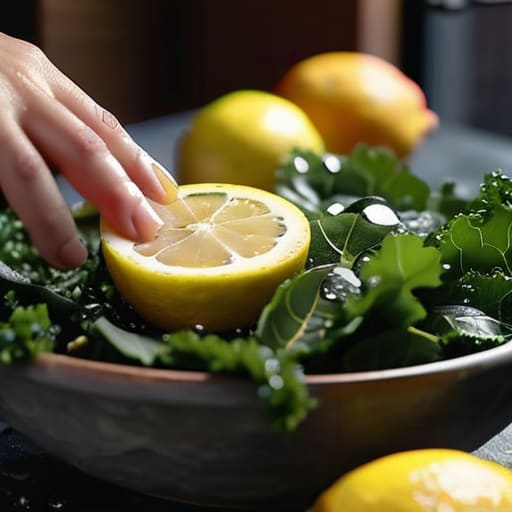
Look, you don’t need a culinary degree or a thick book of complex salad dressing recipes to make a bowl that actually tastes good. Most of the time, a boring salad is just missing a bit of tension between flavors. I like to think of it like tuning an engine: you need a little acid to cut through the fat, and a pinch of salt to make everything pop. If your greens feel a bit flat, a squeeze of fresh lemon or a splash of apple cider vinegar is usually the fix. It’s all about flavor balancing in salads so you aren’t just eating a pile of wet leaves.
Once you’ve got the acid down, you need to play with contrast. This is where you start experimenting with creative salad combinations that shouldn’t work on paper but do in your mouth. I’m talking about pairing something sweet, like sliced strawberries or dried cranberries, with something salty, like feta or goat cheese. If you want to turn that side dish into a real meal that keeps you full until dinner, don’t forget to throw in some protein additions for salads like grilled chicken, hard-boiled eggs, or even a handful of chickpeas.
Creative Salad Combinations That Actually Work Together
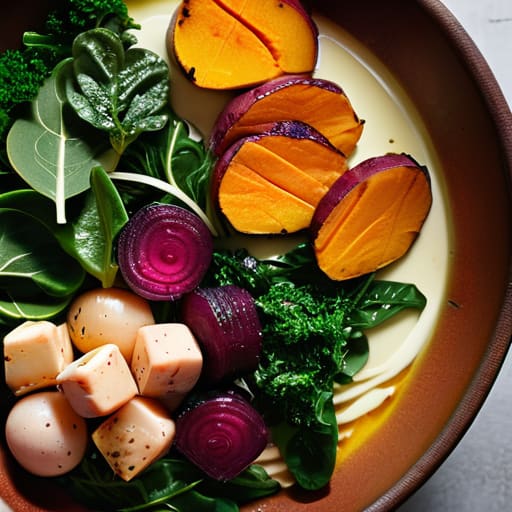
Now, I’m not going to give you a list of a thousand random ingredients and tell you to just “wing it.” That’s how you end up with a bowl of stuff that tastes like nothing. Instead, I like to think in “themes.” If you want something hearty that actually keeps you full until dinner, lean into protein additions for salads like grilled chicken, chickpeas, or even some hard-boiled eggs. Pair those with something earthy, like roasted sweet potatoes or beets, and you’ve got a meal rather than just a side dish.
If you’re feeling a bit more adventurous, try playing with the contrast between sweet and savory. I love tossing together some arugula, sliced pears, and crumbled goat cheese. It sounds fancy, but it’s incredibly easy. The real secret to adding texture to salads is making sure you have a crunch factor—think toasted sunflower seeds, sliced almonds, or even those crispy pita chips you have lying around. Once you find a few of these “formulas” that work for you, you won’t even need to look at a recipe book again.
Five Simple Ways to Level Up Your Salad Game
- Don’t forget the crunch. A salad without texture is just a bowl of wet leaves. I always keep a jar of toasted sunflower seeds, spiced nuts, or even some crushed pita chips in the pantry to throw on at the last second.
- Get a little bold with your dressings. Stop reaching for that bottled, sugary stuff in the fridge. A quick mix of olive oil, lemon juice, a little Dijon mustard, and salt goes a long way, and it actually makes the vegetables taste like themselves.
- Add some “heavy lifters.” If you want a salad to actually keep you full until dinner, you need something substantial. I’m talking about a handful of chickpeas, some leftover roasted chicken, or even a hard-boiled egg.
- Play with temperature. It sounds weird, but adding something warm to a cold salad is a total game-changer. Try tossing some warm roasted sweet potatoes or sautéed mushrooms right into your greens; it makes the whole meal feel more intentional.
- Use fruit for a pop of sweetness. A little bit of sliced apple, some dried cranberries, or even fresh berries can cut through a heavy dressing and make everything taste much brighter. It’s a simple trick that makes a huge difference.
The Quick Cheat Sheet for Better Salads
Stop relying on a single flavor; always aim for a mix of something salty, something sweet, and something acidic to keep your taste buds from getting bored.
Texture is just as important as taste, so make sure you’re tossing in something crunchy—like toasted seeds or even crushed crackers—to break up the soft greens.
Don’t overthink the prep; the best salads come from simple, real-food combinations rather than trying to follow a complicated recipe from a fancy cookbook.
## The Golden Rule of the Bowl
“A sad salad is just a pile of wet leaves, but a great one is all about the contrast; you want that crunch to hit against something creamy, and a little bit of acid to cut right through the heavy stuff so you don’t feel like you’re just eating lawn clippings.”
Nathan Cole
Stop Settling for Boring Bowls
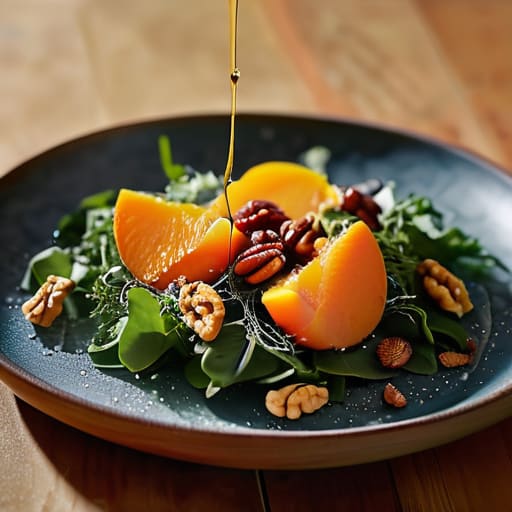
At the end of the day, making a great salad isn’t about following some strict culinary law; it’s about understanding how different elements play together. We’ve talked about how a little bit of acid can brighten things up, how adding a crunch can change the whole vibe, and how to pair flavors so they actually make sense on your fork. Just remember that you don’t need a pantry full of expensive superfoods to make this work. You can take whatever is in your fridge—some leftover roasted veggies, a handful of nuts, or even just a decent vinaigrette—and turn a sad pile of leaves into something genuinely satisfying. Once you get the hang of balancing salt, fat, and acid, you’ll realize you aren’t just eating a side dish anymore; you’re eating a real meal.
My best advice? Don’t be afraid to mess up a combination here or there. I’ve definitely tried some weird pairings that didn’t quite hit the mark, but that’s just part of the process. Think of your salad bowl like a small DIY project: you’re just assembling parts to see how they fit. Treat every bowl as a chance to experiment and play with flavors until you find your new favorite. You’ve totally got this, so grab a bowl, throw something unexpected in there, and start eating better today.
Frequently Asked Questions
I'm always running low on time—is there a way to prep these interesting ingredients ahead of time so I'm not chopping everything right before dinner?
Look, I get it. I don’t always have twenty minutes to play chef after a long day. The secret is “component prepping.” On a Sunday, chop your hardy stuff—carrots, cucumbers, or bell peppers—and keep them in airtight containers. For proteins, roast a batch of chicken or chickpeas ahead of time. Just keep your dressings separate so nothing gets soggy, and you can throw a killer salad together in under five minutes.
What should I do if I'm working with a super tight budget and can't afford all the fancy nuts and cheeses mentioned?
Look, I’ve been there. When you’re living on a budget, those expensive artisanal cheeses and organic macadamias feel like a total rip-off. Don’t sweat it. You don’t need fancy stuff to make a salad taste good. Grab a bag of sunflower seeds or even some toasted oats for crunch. For flavor, a bit of sharp cheddar or even some leftover feta goes a long way. It’s about the balance, not the price tag.
How do I keep my salad from getting all soggy and sad if I'm packing it for lunch to eat a few hours later?
The “soggy salad” struggle is real, and honestly, it’s the fastest way to ruin a good lunch. My golden rule? Keep the dressing separate. Don’t even think about pouring it on in the morning. Grab a tiny container or even a little snack baggie for the dressing and keep it on the side. Also, layer your container: put the heavy, hardy stuff like cucumbers or chickpeas at the bottom, and keep the delicate greens right at the top.